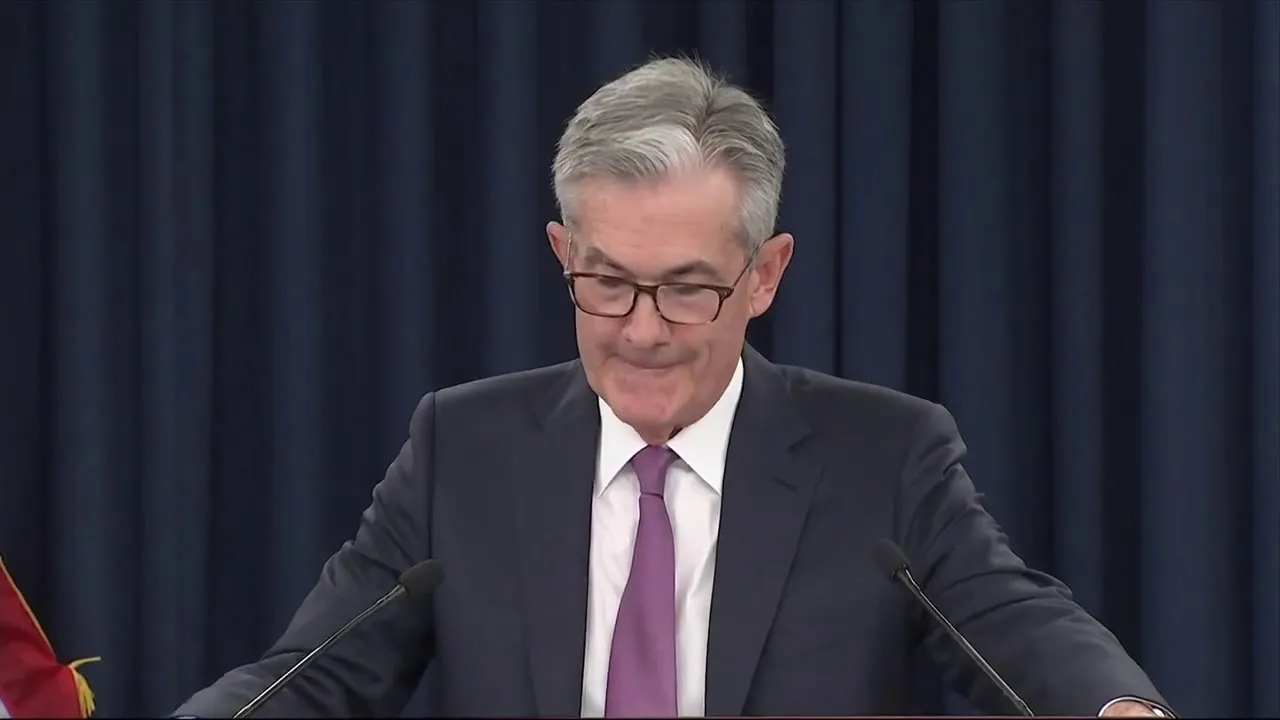
Dollar reactions to Powell’s “mid-cycle adjustment” and the market’s pivot expectations
By Frances Coppola | Economist & Financial Commentator
Between late 2018 and 2019, the Federal Reserve shifted from one of its most aggressive tightening phases in decades to an abrupt series of rate cuts. For forex markets, this reversal posed a key question: was it a mere “mid-cycle adjustment,” as Chair Jerome Powell insisted in 2019, or the beginning of a full pivot? The answer mattered greatly for the dollar, as interest-rate expectations flipped within months.
The Peak of Tightening
By December 2018, the Fed had raised rates to a target range of 2.25–2.50%, completing nine hikes since the 2015 liftoff. The dollar initially rallied, supported by relatively high yields compared with other advanced economies. However, volatility in U.S. equities and signs of slowing global growth began to erode confidence.
MoM and YoY data painted a mixed picture:
- Employment: Nonfarm payrolls averaged +190k per month in 2018, while unemployment fell to 3.7%, its lowest in nearly 50 years. Average hourly earnings ticked higher, reaching ~3.3% YoY by late 2018.
- Inflation: Core CPI hovered at 2.2% YoY; PCE inflation stabilized around 1.8–2.0%. Monthly prints suggested price pressures were not accelerating.
- External Indicators: NOAA reported over $90 billion in climate-related damages in 2018 (notably Hurricanes Florence and Michael), adding fiscal stress but limited macro impact. FBI crime data showed continued modest declines in violent crime through 2018–2019.
Despite strong employment, global conditions weighed heavily. Trade tensions with China escalated, curbing business investment. In late 2018, markets sold off sharply, forcing the Fed to signal flexibility.
The 2019 Cuts
In July 2019, the Fed delivered its first rate cut in more than a decade, reducing the target range to 2.00–2.25%. Powell characterized the move as a “mid-cycle adjustment,” aimed at cushioning against trade uncertainty and slowing global growth, not a full easing cycle.
Yet two further cuts followed in September and October, bringing rates to 1.50–1.75%. By then, it was clear that the Fed had pivoted toward insurance easing.
For the dollar, the impact was uneven. Initially, the greenback remained resilient, reflecting safe-haven demand amid global uncertainty. However, EM currencies and high-beta majors gained modestly as markets priced a slower Fed.
Market Reactions
- DXY Performance: After peaking in mid-2018 near 97–98, the dollar oscillated within a narrow range through 2019, balancing rate-cut expectations with persistent global demand for dollar liquidity.
- Yield Curve: The 2s/10s U.S. Treasury curve briefly inverted in August 2019, flashing recession warnings that reinforced dollar safe-haven flows.
- Employment and Wages: Payroll growth slowed modestly in 2019 (averaging +170k per month), while wage growth decelerated slightly from its 2018 peak.
Lessons for Traders
The 2018–2019 episode demonstrated that the Fed’s words can matter as much as its actions. Powell’s “mid-cycle adjustment” label reassured some investors but failed to halt the dollar’s defensive bid.
For forex traders, three lessons stand out:
- Strong employment data isn’t always dollar-bullish when global risks dominate.
- MoM and YoY inflation stability limited Fed flexibility, forcing cuts driven by external shocks rather than domestic weakness.
- Safe-haven demand can sustain the dollar, even during a rate-cutting cycle.
In retrospect, the Fed’s 2019 pivot was the first acknowledgment of mounting global fragility — a signal that would set the stage for the unprecedented policy moves of 2020.