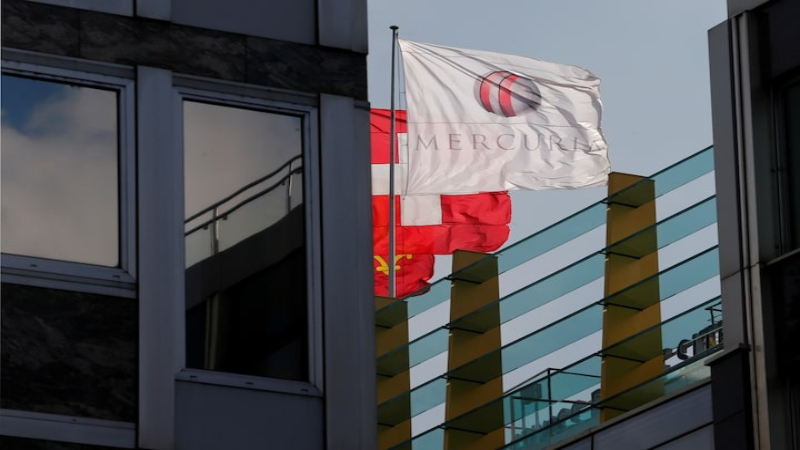
Mercuria Energy Group reported a 6 percent decline in net income for 2025 as the commodity trading house expanded its footprint in metals, physical liquefied natural gas, and shipping operations. The Geneva based firm posted net income of 1.43 billion dollars, down from 1.52 billion dollars in 2024 and well below its record performance during the energy price surge of 2022.
The moderation in profit reflects a broader normalization across the global commodity trading sector. Exceptional earnings in 2022 and 2023 were fueled by extreme volatility in oil and gas markets following Russia’s invasion of Ukraine. As price swings narrowed and supply chains stabilized, margins across physical trading operations cooled from historic highs.
Despite the earnings dip, Mercuria continued to reposition its portfolio. Metals now account for roughly 20 percent of its annual turnover of about 130 billion dollars. Non oil activities including gas, power, and metals represent nearly 65 percent of overall business volumes, underscoring a strategic shift away from heavy reliance on crude oil trading.
The company expanded geographically during 2025, strengthening operations in Latin America through activity in Peru, Chile, Mexico, and Argentina. It also increased its presence in Central Asia, particularly Kazakhstan and Uzbekistan, while pursuing opportunities in Turkey and India through a new venture partnership. The push into emerging and resource rich markets reflects efforts to diversify supply chains and capture growth in industrial and energy transition related commodities.
Mercuria’s equity stood at 6.3 billion dollars at the end of 2025, slightly below 6.6 billion dollars a year earlier. The firm’s effective tax rate ranged between 16 and 18 percent for the year. While dividend details were not disclosed, industry observers note that major trading houses distributed substantial payouts during the peak profit years, helping stabilize equity levels even as expansion accelerated.
The expansion strategy has also altered the company’s financing profile. Mercuria utilized between 50 and 60 percent of its available bank credit lines in 2025, compared with minimal usage during 2022 to 2024 when elevated profits reduced reliance on external funding. Increased credit utilization signals higher working capital needs tied to physical cargoes, shipping logistics, and metals inventory management.
Across the sector, peers have also reported softer results compared with record highs, reflecting more balanced market conditions. However, structural shifts in global energy flows, LNG demand growth in Asia, and rising metals consumption linked to electrification and infrastructure investment continue to create opportunities for diversified trading firms.
For global commodity markets, Mercuria’s transition highlights the evolving role of trading houses as integrated players across oil, gas, metals, and logistics. As volatility moderates but geopolitical and supply risks persist, profitability may depend less on price spikes and more on scale, diversification, and efficient capital deployment.