Global markets exit 2025 after a year that repeatedly challenged long held assumptions about growth, trade, and investor behaviour. What began with expectations of US exceptionalism quickly turned into a test of resilience as aggressive trade policy, geopolitical tension, and rapid technological investment reshaped capital flows. Equity markets ultimately absorbed the shocks, adding trillions in value despite sharp drawdowns along the way. Trade uncertainty surged early in the year following sweeping tariff actions, forcing companies and investors to reprice supply chains and earnings assumptions. Surprisingly, economic activity held up better than expected, allowing risk assets to recover from spring volatility. The result was a market environment defined less by steady trends and more by rapid adjustments to policy signals, where positioning often mattered more than fundamentals over short horizons.
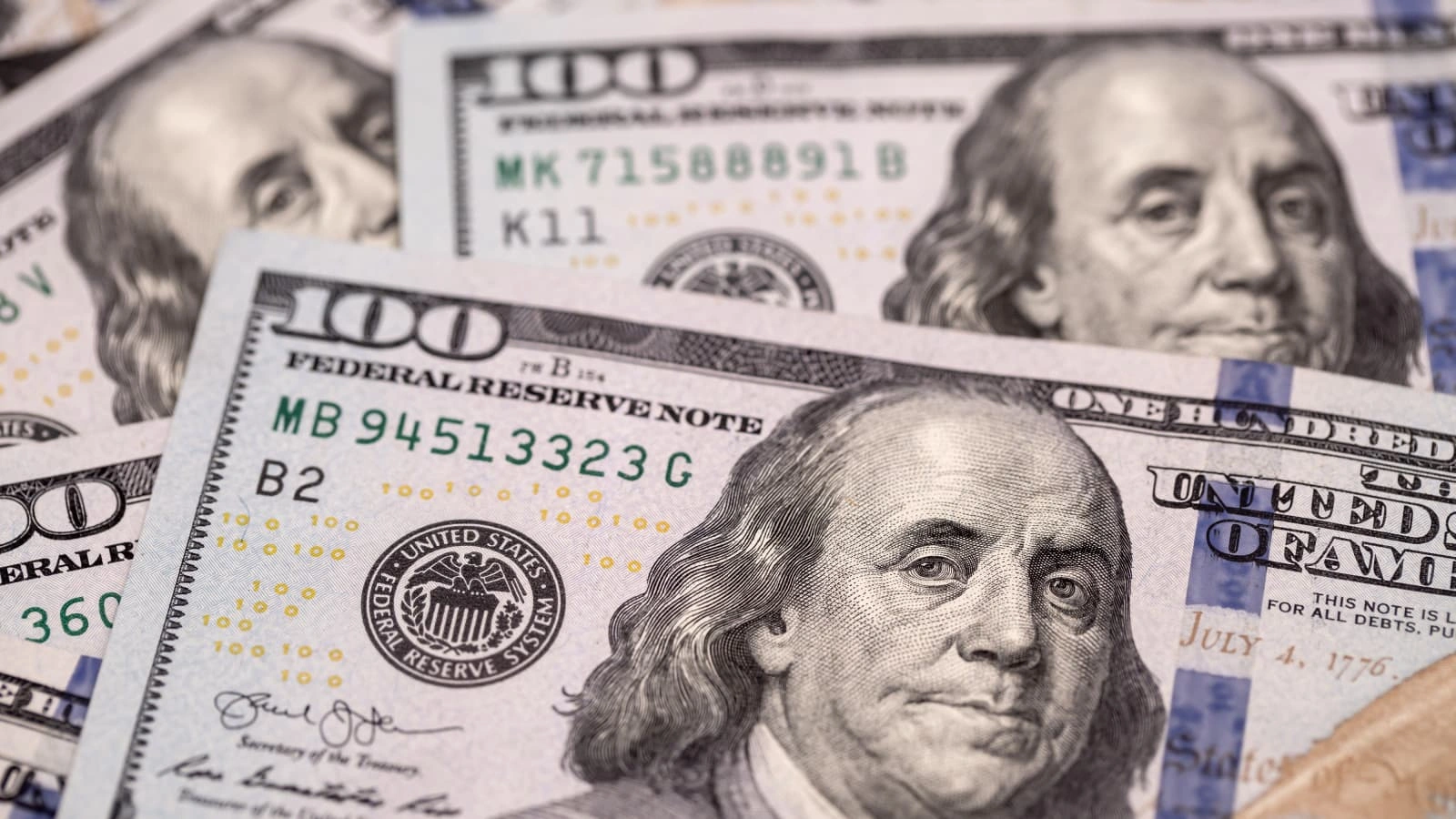
One of the clearest signals of 2025 came from currencies and commodities rather than equities. The US dollar suffered its worst annual decline in years, undermining early forecasts that capital would flood into dollar assets under an America First agenda. Instead, a combination of trade friction, rising deficits, and shifting rate expectations pushed investors toward alternatives. Gold and silver surged to levels not seen in decades, reflecting both safe haven demand and a reassessment of monetary credibility. Long term bond markets echoed the tension, with yields rising even as volatility stayed muted. The divergence suggested that investors were less fearful of immediate crisis and more concerned about structural imbalances building beneath the surface of relatively calm markets.
Technology and geopolitics added further complexity to the investment landscape. Artificial intelligence spending drove extraordinary gains early in the year, but concerns over debt funded expansion and capital efficiency later triggered sharp pullbacks in key names. Defence and infrastructure related assets in Europe surged as security priorities shifted, while emerging markets benefited from the weaker dollar and improving local fundamentals. Throughout the year, political decisions remained central to market direction, particularly following the return of Donald Trump to office. By year end, markets appeared calmer but not settled, with asset prices reflecting adaptation rather than resolution. The dominant lesson of 2025 was that old relationships still matter, but only after markets test their limits.