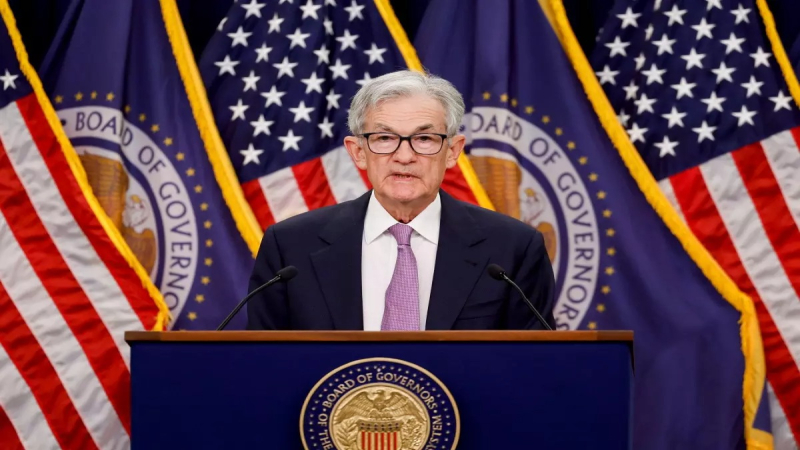
Global markets are entering a pivotal week with investors positioning carefully around major central bank decisions that are likely to influence the dollar’s trajectory into year end. US equities traded in a narrow band last week as participants looked ahead to the Federal Reserve’s rate announcement, where expectations lean toward a quarter point reduction supported by softening employment indicators and stable underlying inflation. The dollar has remained steady through the consolidation phase, reflecting cautious positioning as markets try to gauge whether policymakers will signal a clearer 2026 roadmap. US technology benchmarks continued to show resilience, and risk sentiment has improved since November, but traders remain aware that any deviation in the Federal Reserve’s communication could shift USD momentum quickly across major currency pairs. The backdrop of mixed labour data and reliable core inflation readings has reinforced expectations for gradual easing, yet uncertainty around leadership changes and forward guidance has introduced a new layer of complexity for dollar watchers tracking policy signals.
In Asia, attention has centred on China’s upcoming inflation and trade releases, which have the potential to influence regional flows and broader risk conditions tied to the dollar. Deflationary pressure in China remains an important indicator for global investors assessing commodity demand, industrial pricing power, and the region’s economic recovery prospects. A stabilisation in producer prices or stronger import activity could offer reassurance that growth is finding a footing, which may in turn ease safe haven demand for the dollar during risk off stretches. Meanwhile, the Japanese yen strengthened as markets sharply increased expectations of a potential rate hike by the Bank of Japan later this month. Rising Japanese Government Bond yields have widened the policy divergence narrative, which pushed USD JPY lower after a multi month advance. However, US Treasury yields also climbed last week, signalling that investors continue to hedge rate uncertainty as the Federal Reserve decision approaches. These cross currents illustrate how sensitive FX markets remain to changes in forward guidance and how the dollar’s performance is being shaped by global monetary synchronisation.
Commodity developments added another dimension to the week’s macro landscape. Crude oil prices edged higher on geopolitical risks and expectations that US rate cuts will support broader economic activity next year, although supply conditions kept gains moderate. In equities, the Hang Seng Index experienced lighter turnover as investors secured profits from strong year to date gains, while narrowing trading ranges suggested consolidation rather than directional conviction. Broader global conditions remain firmly anchored to the policy decisions expected this week, with the Reserve Bank of Australia and Federal Reserve at the centre of market focus. Traders concentrating on the dollar will be watching whether policymakers deliver clarity on next year’s easing path, as the answer will likely shape FX volatility, capital flows, and risk allocation through the remainder of December. The concentration of high impact data and central bank signals makes this one of the most consequential weeks of the quarter for USD positioning and global macro expectations.