Artificial intelligence infrastructure expansion across rural regions has become a growing point of friction, and the resulting political tension is beginning to influence macroeconomic sentiment surrounding the US dollar. The rapid acceleration of data center development, supported heavily by federal initiatives, is creating uncertainty for energy markets in states like Pennsylvania where communities are already strained by rising utility costs. Traders have started to monitor these developments closely because large scale data center build outs significantly increase electricity demand, which can reinforce regional inflation pressures. Rising power costs have historically had ripple effects on broader consumer prices, shaping expectations for Federal Reserve policy and overall dollar demand. When households face higher energy burdens, the political environment becomes more volatile and analysts begin to factor in the risk of inconsistent regulatory approaches. This mix of social resistance and infrastructure pressure introduces a layer of unpredictability that global currency markets do not typically welcome.
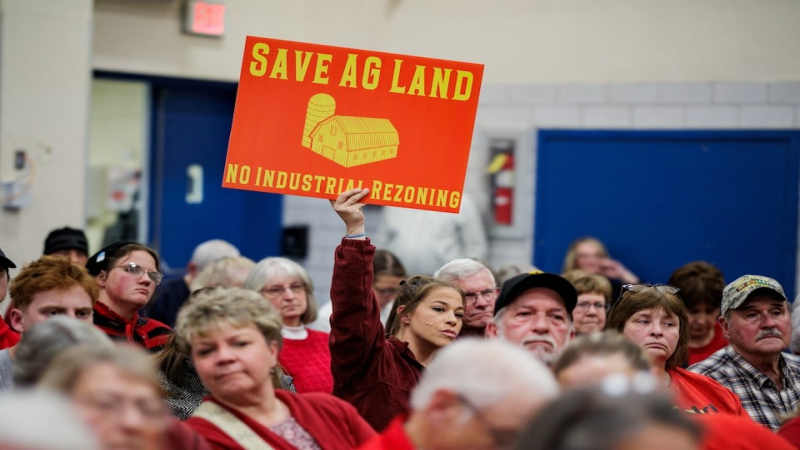
Local opposition in counties like Montour, where residents packed public meetings to challenge proposed zoning changes, reflects a rare bipartisan pushback. While many of these communities have supported pro growth national agendas in previous elections, their resistance taps into longstanding concerns about farmland preservation, utility affordability, and the strain placed on public resources. For the USD, the significance lies in the broader macroeconomic backdrop. Pennsylvania utilities are already projecting steep increases in future electricity demand as more technology companies plan data intensive operations in the state. Higher capacity costs push regional electricity prices upward, and this trend is feeding into national inflation discussions. Forex analysts note that sticky energy driven inflation could limit the Federal Reserve’s ability to adjust policy aggressively, which often strengthens the dollar in the short term but can dampen longer term growth expectations. The crosscurrents between energy demand, political pressure, and regulatory adjustments therefore contribute to a more cautious investor stance.
These tensions are surfacing at a time when households across several states are carrying growing energy related debt, and that financial pressure could influence voting patterns heading into the 2026 election cycle. Political shifts tied to affordability concerns often translate into changes in fiscal and regulatory priorities, both of which affect USD sentiment. With data center resistance emerging in multiple states, including Texas and Oregon, investors are weighing the possibility that infrastructure delays could slow AI industry expansion in key regions. A slowdown could reduce short term capital investment flows but may also ease inflationary pressures generated by rapid energy consumption growth. For the USD, this dynamic produces a mixed outlook where the currency benefits from its safe haven appeal during periods of uncertainty while facing headwinds from potential regulatory and political recalibrations. Market participants are likely to continue tracking these developments as they shape expectations around inflation, energy policy, and economic resilience.