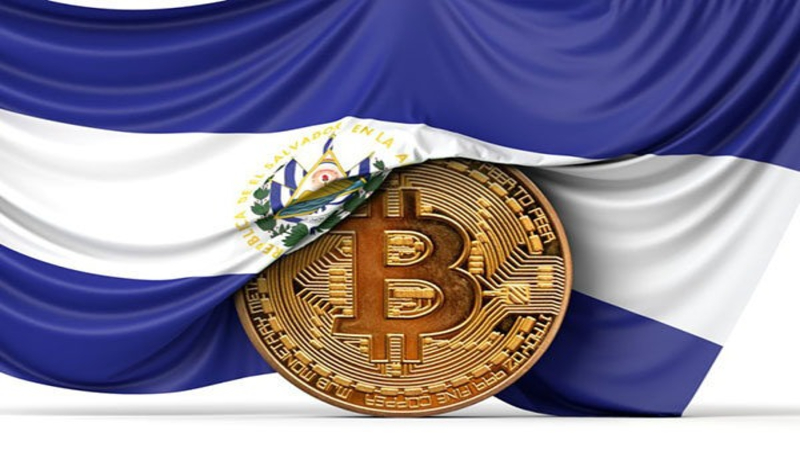
Ripio’s disclosure of a one hundred million dollar cryptocurrency treasury has prompted new discussion about corporate reserve strategies across Latin America and how they intersect with broader global asset flows, including demand for dollar based holdings. The exchange, operating across key regional markets, now holds the second largest publicly known digital asset treasury in Latin America, reflecting a multi year strategy centered on bitcoin and ether accumulation. Executives confirmed that the firm has managed its reserves through trading and hedging approaches since 2017, underscoring its early presence in the institutional adoption cycle. While the announcement focuses on the scale of its digital portfolio, the implication for global markets lies in how regional companies balance crypto exposure with traditional currency reserves, particularly in economies where the dollar continues to play an outsized stabilizing role. Analysts noted that shifts toward digital treasuries often parallel periods of macro uncertainty, influencing how firms approach diversification.
The updated rankings place OranjeBTC at the top of the regional landscape with more than three hundred million dollars in bitcoin holdings, followed by Ripio, Méliuz at roughly fifty four million dollars and Mercado Libre with slightly over fifty million dollars in reserves. The growth of these positions is shaping a wider debate about how corporate entities in emerging markets adjust their balance sheet strategies when faced with inflation cycles, currency depreciation and fluctuating credit conditions. While digital assets offer alternative exposure, the dollar remains the primary reference point for valuation, liquidity, and risk assessment. For currency analysts, the rise of crypto treasuries serves as an indicator of how companies seek to navigate environments where access to dollar liquidity may tighten or become more expensive. It also highlights how firms respond to the evolving regulatory climate and increasing institutional participation in the digital asset sector.
Ripio’s approach extends beyond treasury management, with the company also investing in early stage crypto projects such as Polygon and ZKSync. This expansion into ecosystem development supports a narrative of deeper corporate integration within the digital assets industry. At the same time, the increasing scale of these reserves raises questions about potential swings in balance sheet valuations, especially during periods of volatility where both crypto and regional currencies can experience stress. For observers tracking the relationship between digital asset adoption and the broader performance of the dollar, these disclosures offer insight into how corporations adjust to global economic shifts. The combination of rising crypto treasuries and continued reliance on the dollar for pricing and financial stability reinforces the dual track strategy many Latin American firms are adopting. As institutional interest grows heading into next year, analysts will be watching whether these treasury trends influence capital flows, hedging behavior and sentiment within the region’s financial markets.