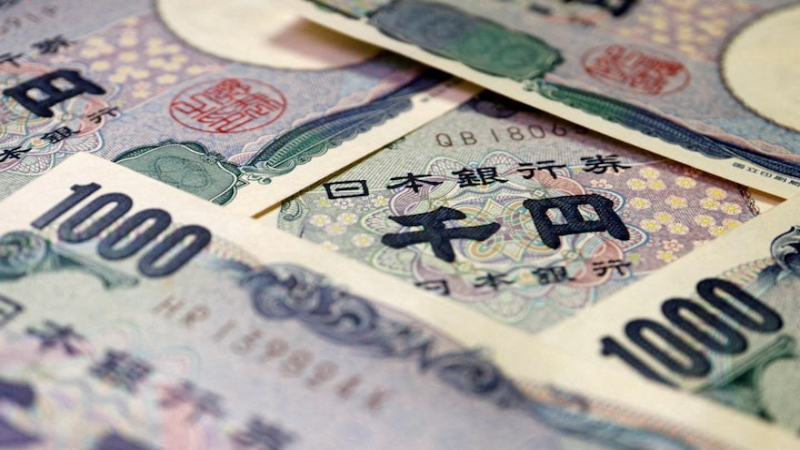
Japan refrained from direct intervention in foreign exchange markets through late January, relying instead on verbal warnings to stem yen weakness, according to data released by the Ministry of Finance. Official figures showed that no funds were spent on currency intervention between December 29 and January 28, confirming that authorities have so far avoided active market operations despite heightened volatility. The yen briefly surged last week after trading near an 18 month low against the U.S. dollar, following a policy decision by the Bank of Japan. The move sparked speculation of behind the scenes action, but subsequent data failed to show the large liquidity flows that typically accompany government intervention, reinforcing the view that officials limited their response to signaling rather than direct market participation.
The yen extended its rally for two additional sessions amid reports that Japanese and U.S. officials had conducted rate checks, a practice often viewed by markets as a precursor to intervention. Such coordination is relatively rare and can have a powerful psychological impact on currency traders. However, authorities stopped short of confirming any direct action, maintaining a long standing policy of ambiguity. Finance Minister Satsuki Katayama and senior currency diplomat Atsushi Mimura both declined to comment on the reports, reiterating that Japan stands ready to respond to excessive currency moves while maintaining close coordination with the United States on foreign exchange matters. By Friday, the yen gave back part of its gains, slipping back toward the mid 153 level against the dollar.
Despite the restrained approach, Japan retains significant capacity to intervene if conditions deteriorate further. The country held foreign currency reserves of roughly $1.16 trillion as of December, providing ample resources to conduct large scale market operations if deemed necessary. Officials have repeatedly warned that they will act against one sided or speculative moves, though they have also acknowledged that intervention alone cannot address deeper structural drivers of currency weakness. Analysts note that widening interest rate differentials, rising government bond yields, and concerns over Japan’s fiscal outlook continue to weigh on the yen, limiting the effectiveness of short term measures.
The currency volatility comes at a politically sensitive moment, as Prime Minister Sanae Takaichi seeks voter support for her economic agenda amid persistent inflation pressures and fragile public finances. Japan last conducted large scale currency intervention in 2024, when authorities spent a record amount to slow yen depreciation as monetary policy divergence with the U.S. intensified. With the dollar remaining firm and global interest rate expectations in flux, markets are likely to stay alert to any escalation in Tokyo’s response. For now, data suggests Japan is relying on words rather than action to defend its currency.