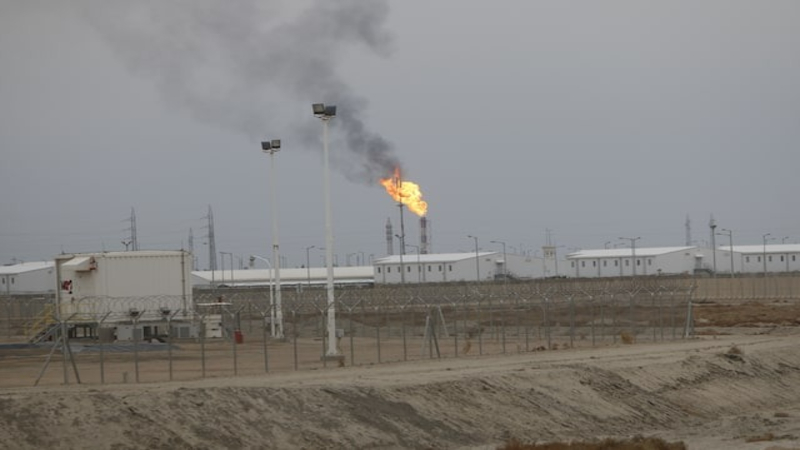
Iraq has taken a decisive step toward reshaping control of its energy sector after approving the nationalisation of operations at the West Qurna oilfield in southern Basra. The move reflects a broader effort by authorities to safeguard production continuity and revenue flows amid shifting geopolitical and financial conditions. West Qurna remains one of the country’s most strategic assets, contributing materially to national output and export capacity. By bringing operations under state oversight, Iraq aims to reduce exposure to external disruptions while preserving the field’s role within global energy markets. The decision underscores how resource rich states are reasserting control over critical infrastructure as energy security becomes increasingly politicized. Markets are watching closely given the field’s scale and its relevance to global supply balances.
The transition follows recent operational challenges linked to sanctions and force majeure declarations that disrupted foreign participation. West Qurna has historically relied on international expertise and capital to sustain high production levels, making the shift in management a notable inflection point. Authorities signaled that funding for ongoing operations would be supported through domestic channels tied to crude export proceeds, reinforcing the government’s intent to maintain output without interruption. This approach reflects confidence in Iraq’s ability to internally manage large scale projects, even as technical and logistical hurdles remain. The move may also influence how other international operators assess risk in the region, particularly where geopolitical considerations intersect with commercial energy contracts.
From a global perspective, the field’s importance extends beyond national borders. West Qurna accounts for a meaningful share of world oil supply, making any changes in its governance structure relevant for broader market stability. While immediate production impacts appear limited, longer term implications will depend on execution, investment discipline, and operational efficiency under state management. Energy traders and policymakers are closely monitoring whether output levels can be sustained at current rates. The decision arrives at a time when oil markets remain sensitive to supply signals, with geopolitical developments increasingly shaping price expectations. Iraq’s role as a major producer places its policy choices under heightened scrutiny.
The nationalisation also highlights a broader recalibration underway across resource producing economies. Governments are reassessing partnerships formed during earlier phases of globalization, weighing sovereignty and fiscal control against the benefits of foreign investment. For Iraq, the move reflects a desire to assert greater autonomy while ensuring that revenue streams remain aligned with national priorities. Whether this strategy delivers long term stability will depend on governance, transparency, and the ability to balance domestic control with operational expertise. As energy markets adapt to a more fragmented geopolitical landscape, Iraq’s decision adds another layer of complexity to the evolving global supply picture.