Ongoing Challenges in Gulf Economies
As markets open, risk remains embedded in Gulf assets. The ongoing Iran conflict keeps investors fixated on security issues and the crucial matter of shipping access. Major banks report wider risk premiums for funding and hedging, prompting traders to maintain lighter positions. Intraday pricing for regional energy and equity approaches has also shown increased volatility, particularly in response to news about maritime incidents. Central banks are utilizing liquidity operations and improved communication to stabilize markets, while finance ministries stress the importance of public service continuity. Recent updates from exchanges highlight that price movements are influenced more by geopolitical dynamics than by earnings reports.
Critical Economic Sectors Under Pressure
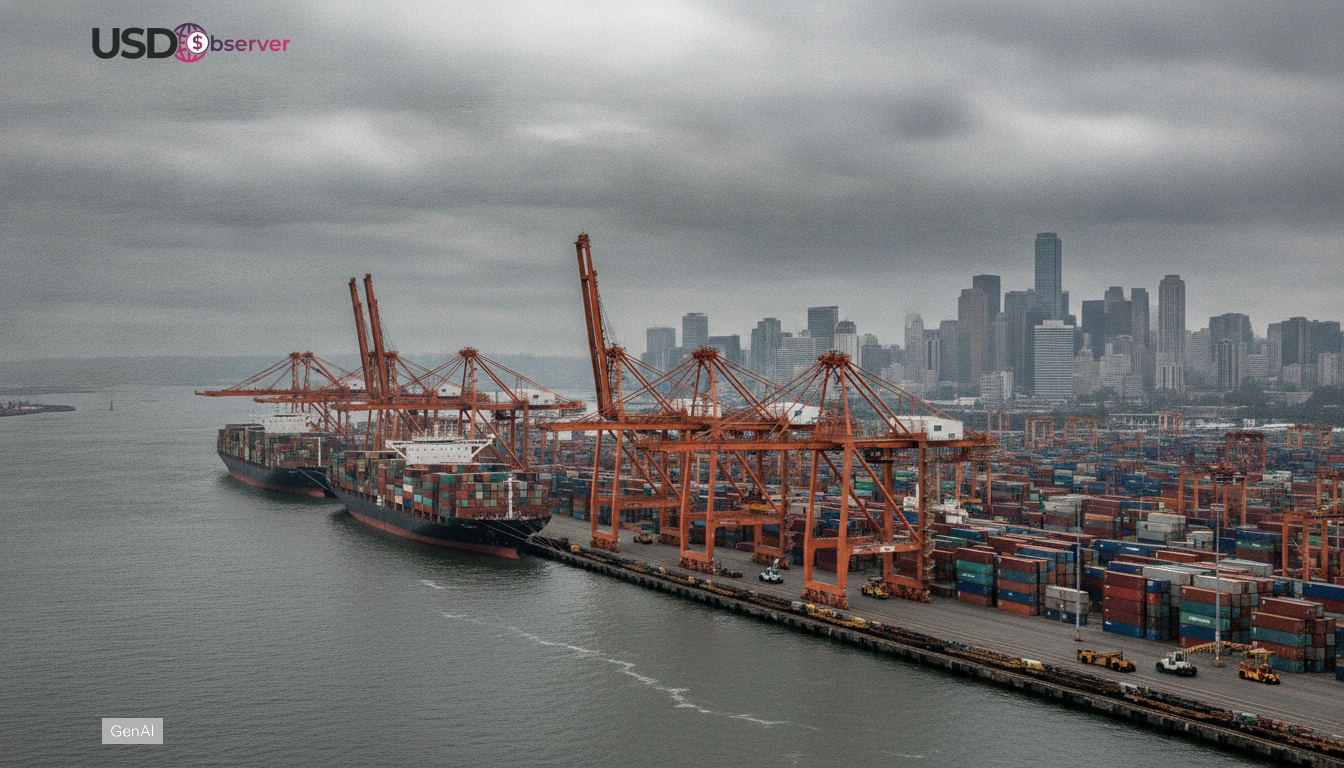
Shipping, refining, aviation, and insurance sectors are bearing the brunt of economic disruptions. Increased war risk premiums are translating directly into heightened freight and operating costs. A BBC report ties energy company earnings to the conflict-driven fluctuations in oil and gas prices, illustrating how profit margins can still expand amid widespread uncertainty. Logistics managers today note tighter vessel scheduling and more cautious routing, which are prolonging delivery times. Freight tracking platforms are being leveraged to renegotiate contract terms and additional surcharges. Meanwhile, tourism and retail sectors are affected, as consumer sentiment is highly reactive to security news.
Timeline for Potential Recovery
Policy makers are outlining recovery as a gradual process closely linked to shipping stability and energy price fluctuations. Gulf economies might stabilize quicker than their global counterparts if fiscal buffers remain intact. However, a predictable risk pricing environment is essential for the private sector to recommence investments. Current observations from several treasurers indicate a keen eye on both oil prices and correlations with international risk assets, given how market movements can affect portfolio allocations. For a recent example of shifting risk appetite, refer to Bitcoin’s resurgence at $80K, revealing broader sentiment swings impacting emerging markets. Update guidance from financial institutions emphasizes the need for scenario planning and extended cash runways.
Government Strategies in Response
In response to these pressures, governments are implementing targeted fiscal measures, improving collaboration with port authorities, and accelerating both energy and industrial diversification plans. They are leveraging currency regimes, reserves, and domestic funding structures to maintain orderly credit conditions, even as external borrowing expenses fluctuate. Recent efforts have focused on ensuring a continuous fuel supply and robust logistics capabilities. Additionally, live monitoring systems keep track of maritime alerts and the operational health of critical infrastructure. Corporate treasury strategies are evolving, evident in a rise in hedging activities and shorter-term funding options, particularly in sectors dependent on imports. For insights on how dollar conditions impact cross-border funding, the Dollar Dominance Monitor is regularly consulted by macroeconomic analysts during stress episodes affecting USD liquidity.
Broader Implications for the Global Economy
The global economic landscape is feeling the repercussions of the Iran conflict through energy pricing, trade timelines, and overall financial conditions, with the Middle East serving as a pivotal channel. Current recalibrations by global refiners and airlines reflect the shifting costs they face, while volatility in crude prices is affecting inflation expectations and rate-sensitive assets. Gulf economies play a significant role here; their fiscal strategies and production decisions directly influence market balance and investor confidence. Updates from leading lenders indicate that prolonged uncertainty may escalate global shipping and insurance costs, ultimately impacting consumer prices beyond the region. For policymakers, the immediate focus should be on ensuring the reliability of trade routes and the integrity of financial systems, as disruptions can ripple through supply chains, amplifying local issues into global challenges.