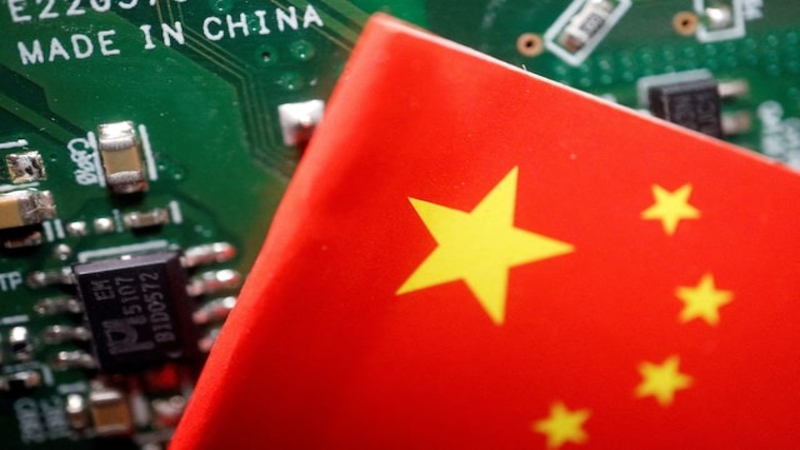
Global investors are increasingly reallocating capital toward Chinese artificial intelligence companies as concerns mount over stretched valuations in US technology stocks. The shift reflects a growing perception that China is narrowing the technology gap through aggressive policy support, accelerated listings, and sustained investment in domestic semiconductor and AI ecosystems. New mainland and Hong Kong listings have attracted significant attention, particularly among global funds seeking diversification away from heavily concentrated US tech exposure. Comparatively lower valuations in Chinese technology markets have reinforced this trend, offering investors an alternative way to participate in AI growth while managing perceived bubble risks elsewhere. The renewed interest also coincides with rising skepticism around the durability of recent rallies in US listed AI leaders, prompting portfolio rebalancing rather than outright risk reduction.
Beijing’s push for technological self reliance has emerged as a central driver behind renewed investor interest. Increased funding, regulatory backing, and fast tracked market access for chipmakers and AI firms have altered the investment landscape. Asset managers view policy alignment as a stabilizing factor that supports long term capital deployment despite ongoing geopolitical tensions. Exchange traded funds focused on Chinese technology have seen notable inflows as investors seek broad exposure rather than single stock risk. The appeal is further supported by China’s strengths in manufacturing scale, engineering depth, and infrastructure, which some investors see as underappreciated advantages in the AI development cycle. This dynamic has encouraged global funds to selectively increase allocations while maintaining exposure to established US technology leaders.
At the same time, market participants remain cautious about speculative excess within parts of China’s emerging AI sector. Rapid price gains following recent listings have raised questions about valuation discipline and long term earnings visibility. Some fund managers emphasize selective exposure, favoring established platforms and firms with clearer monetization paths over early stage entrants driven by momentum. The contrasting views highlight a market still balancing structural opportunity against execution risk. As global investors reassess concentration risk in US technology and respond to evolving policy and valuation signals, Chinese AI has emerged as a prominent diversification theme. The trend underscores how capital flows are increasingly shaped by relative value considerations and geopolitical strategy rather than pure growth narratives.