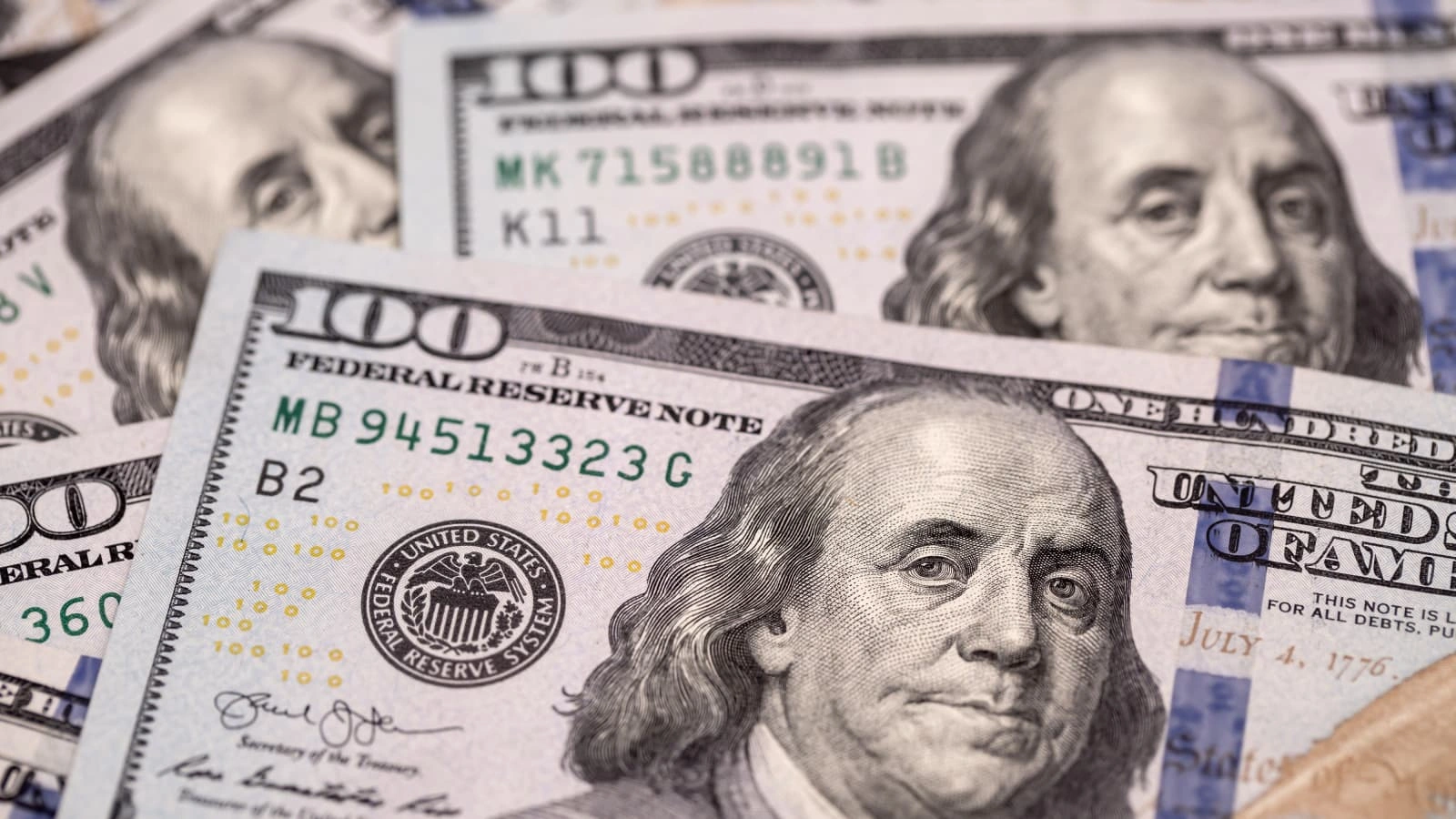
Talk of a so called US dollar debasement trade has become increasingly common across global markets, but a closer look at pricing signals suggests investors may be focusing on the wrong risks. While many market participants are positioning for a sustained decline in the dollar, underlying indicators point to a more nuanced reality, particularly when it comes to US Treasuries.
Over the past year, the US dollar has weakened against several major currencies. At the same time, gold prices have surged to record highs and other precious metals have rallied strongly. For many investors, this combination reinforces the narrative that the dollar is being debased through loose fiscal policy, rising government debt and persistent deficits. Yet currency cycles rarely move in straight lines, and recent dollar weakness needs to be viewed in context.
The dollar appreciated significantly during the previous decade, supported by stronger US growth, relatively higher interest rates and repeated global risk episodes that drove safe haven flows into US assets. A period of partial reversal does not automatically signal structural decline. Exchange rate movements often reflect shifts in growth differentials and monetary policy expectations rather than a loss of confidence in the currency itself.
At the same time, concerns about US fiscal sustainability are not new. Federal debt levels have risen sharply over the past several years, and budget deficits remain elevated. Some investors fear that this trajectory could ultimately erode trust in US government bonds, pushing yields higher and weakening the dollar further. However, Treasury markets continue to function as the global benchmark for liquidity and collateral, and demand from domestic institutions and international investors remains substantial.
One overlooked aspect of the current debate is the distinction between currency depreciation and bond market risk. A weaker dollar does not automatically translate into a collapse in Treasury prices. In fact, if growth slows or financial conditions tighten, demand for Treasuries could increase even if the currency drifts lower. The United States still benefits from deep capital markets, strong legal protections and a central bank with considerable credibility.
Gold’s rally also reflects more than just dollar concerns. Central bank buying, geopolitical tensions and portfolio diversification strategies have contributed to higher prices. Investors seeking protection from volatility may allocate to precious metals without necessarily abandoning US assets altogether.
In foreign exchange markets, positioning data shows that speculative bets against the dollar have risen in recent months. When sentiment becomes crowded, the risk of sharp reversals increases. If economic data stabilizes or US interest rate expectations shift upward, the dollar could find renewed support.
The broader global economy also shapes the dollar outlook. Slower growth in Europe or emerging markets, or renewed financial stress, can quickly redirect capital toward US markets. For now, the debate over debasement appears driven as much by narrative as by fundamentals, leaving investors to reassess where the real risks in the system may lie.