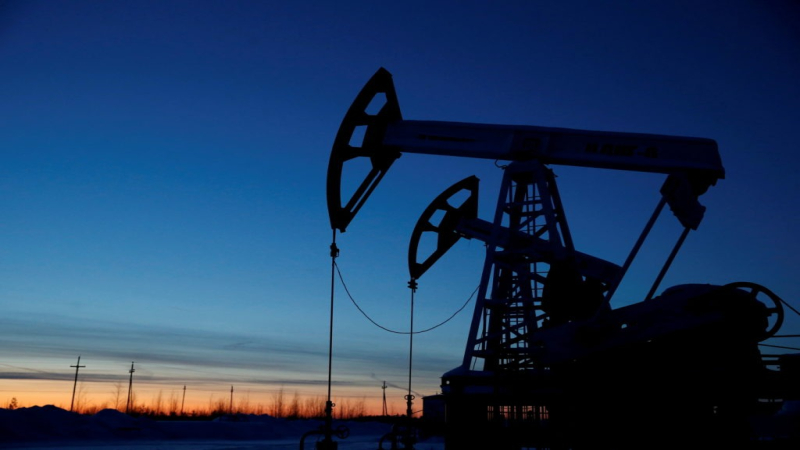
India’s crude oil import pattern shifted notably in December as supplies from Russia dropped to their lowest level in nearly two years, allowing OPEC producers to regain a larger share of the country’s energy mix. Tighter enforcement of US and European sanctions disrupted Russian flows, forcing Indian refiners to turn to alternative sources across the Middle East, the United States, and South America. Trade data showed Russian imports fell about 22 percent from November to roughly 1.38 million barrels per day, reducing Russia’s share of India’s imports to around 27 percent, the weakest since early 2023. Over the same period, OPEC’s share rose to more than 53 percent, its highest in almost a year. The shift highlights how compliance pressures, rather than price alone,e are reshaping trade flows, even as India continues to prioritize supply security and cost efficiency in a volatile global energy market.
The decline in discounted Russian crude has implications for refining margins in the world’third-largest oil-consumingng nation. Indian refiners had benefited from cheaper Russian barrels since 2022, supporting profitability despite global price swings. With fewer discounted cargoes available, refiners face higher input costs and greater exposure to benchmark-linked pricing from traditional suppliers. Reliance Industries, the country’s largest buyer of Russian oil, saw imports fall sharply after crude deliveries under its agreement with Rosneft slowed during the final days of December. State-owned refiners continued sourcing Russian oil through non-sanctioned channels, underscoring uneven access across the sector. Some cargoes booked for December were discharged in January, adding volatility to monthly data and reinforcing that logistical timing and regulatory clearance remain critical variables in reported import figures.
Despite the December pullback, Russia remained India’s largest oil supplier for the month and across the first nine months of the fiscal year ending March 2026, followed by Iraq and Saudi Arabia. Analysts tracking tanker movements expect Russian supplies to recover modestly in January, averaging between 1.2 million and 1.4 million barrels per day. This suggests the decline reflects short-term compliance and settlement disruptions rather than a structural shift away from Russian crude. India became the biggest buyer of Russian seaborne oil after the Ukraine conflict in 2022, reshaping global trade routes and redirecting flows away from Europe toward Asia. That realignment has anchored Russian exports to Asian demand, even as sanctions continue to complicate shipping insurance, payments, and cargo financing across international markets.
On a full year basis, OPEC marginally increased its share of India’s crude imports to about 50 percent in 2025, while Russia’s share slipped to roughly 33 percent from the previous year. The adjustment comes as Western governments maintain pressure on Moscow’s energy revenues, arguing that oil sales support its war effort. India’s purchases of Russian crude have drawn diplomatic scrutiny, including higher US tariffs on Indian goods last year, while trade talks between New Delhi and Washington remain ongoing. For global markets, the episode illustrates how geopolitical constraints can redirect commodity flows without eliminating major suppliers, reinforcing the delicate balance between energy security, inflation management, and foreign policy. As sanctions enforcement tightens, India’s import mix is likely to remain fluid, with refiners adapting procurement strategies to shifting regulatory and market conditions.