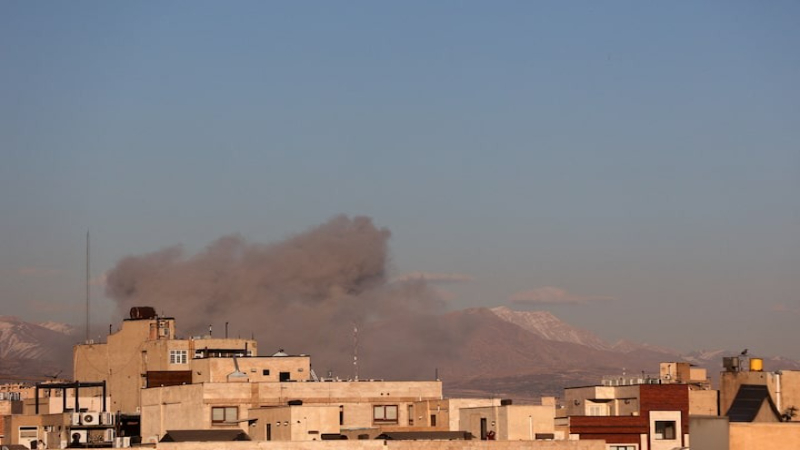
The economic fallout from the escalating conflict in the Middle East will depend largely on how long the fighting continues and whether energy price increases prove temporary or persistent, a senior International Monetary Fund official said, warning that prolonged disruption could reshape inflation and growth expectations worldwide.
The IMF’s First Deputy Managing Director noted that while it remains too early to quantify the full global impact, sustained uncertainty and rising oil prices could influence central bank policy decisions in major economies. If energy costs remain elevated for an extended period, policymakers may be forced to reassess the timing and scale of interest rate adjustments.
Oil markets have already reacted sharply. Brent crude has climbed significantly since the latest military exchanges began, fueled by concerns over potential supply disruptions in the Gulf region. The Strait of Hormuz, a key transit route for a substantial share of global oil exports, remains central to market anxiety. Any prolonged disruption in tanker flows or damage to energy infrastructure could amplify price volatility.
Energy driven inflation poses a particular challenge for monetary authorities. While central banks often look through short term spikes in headline inflation caused by oil fluctuations, a sustained increase can filter into broader price measures. The IMF official pointed to the experience of 2022, when energy shocks linked to geopolitical tensions contributed to higher core inflation across advanced economies.
Prior to the outbreak of intensified hostilities, the IMF had projected global growth of around 3.3 percent for 2026, supported by resilient labor markets, ongoing investment in artificial intelligence, and gradual stabilization in global trade conditions. That outlook now faces added uncertainty as markets digest the potential economic ripple effects of the conflict.
Beyond energy, the IMF is monitoring several transmission channels. Tourism, aviation, and regional trade flows could face disruption if instability spreads or travel restrictions expand. Infrastructure damage, particularly in energy production and transport facilities, would carry direct economic costs for affected countries and indirect effects through commodity markets.
Financial market volatility has already increased, with equity benchmarks declining and bond yields fluctuating as investors reassess risk. A sharp rise in oil prices can weigh on consumer spending and business investment, especially in energy importing economies. Emerging markets with limited fiscal space may be particularly exposed to higher fuel import bills and tighter financial conditions.
Central banks are expected to respond cautiously. Policymakers will likely assess whether inflation pressures remain confined to energy or begin to influence wage growth and broader pricing behavior. A destabilization of inflation expectations could prompt more restrictive policy stances, even if growth slows.
With geopolitical developments evolving rapidly, the IMF emphasized that the global economic outlook remains highly fluid. The scale of impact will ultimately depend on the duration of hostilities, the extent of physical damage, and the trajectory of oil and gas markets in the weeks ahead.