Global geopolitics is increasingly influencing how the United States manages its trade relationships and the role of the dollar in international finance. As strategic tensions rise with major powers and trading blocs, U.S. policymakers are rethinking both tariffs and currency strategies to maintain economic leverage.
In 2026 the interplay between diplomacy, defence commitments, and trade policy will have direct implications for how the dollar performs and how U.S. exports compete in global markets.
The Geopolitical Drivers of U.S. Trade Strategy
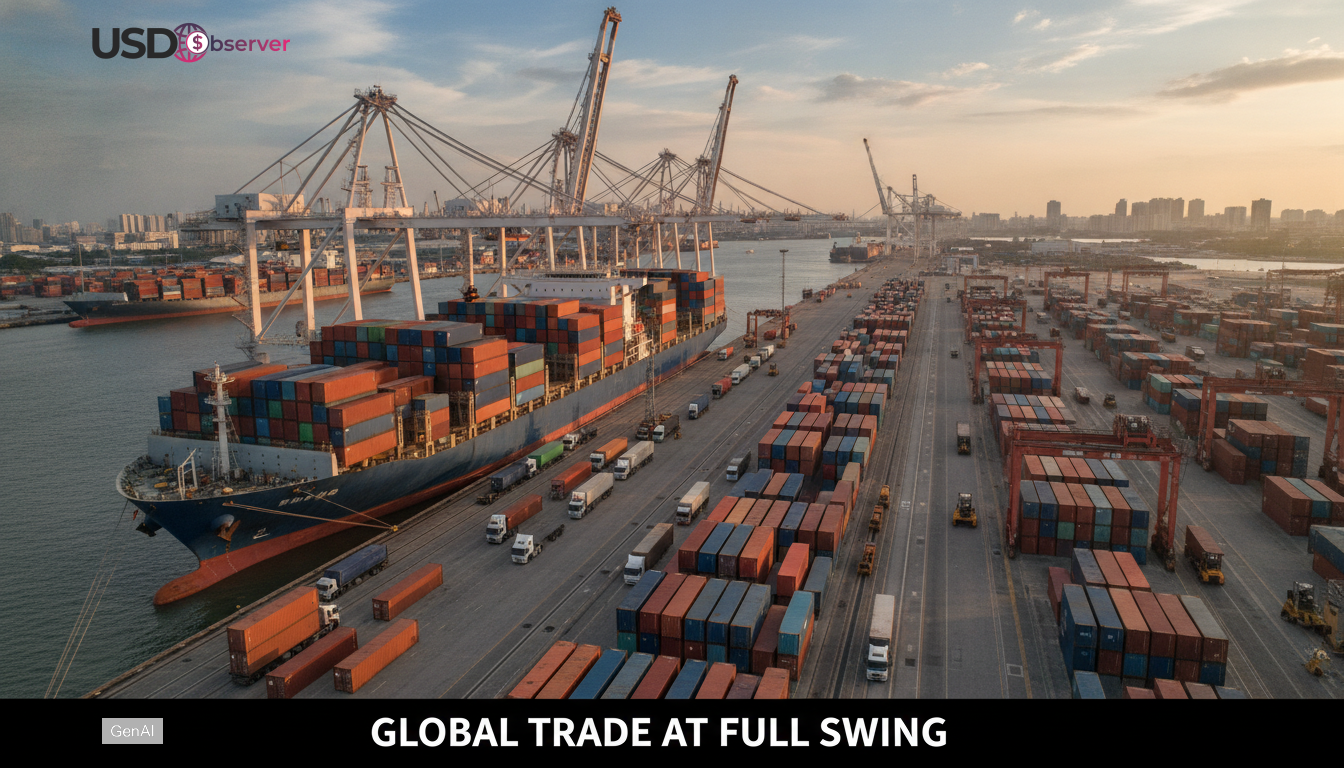
The United States is facing a shifting trade landscape where alliances no longer operate solely on economic logic but on strategic interest. Trade agreements and tariff policy are now tools of power projection and geopolitical alignment. For example the U.S. may use trade access and export controls as leverage in technology and defence supply chains.
Such alignment means that partner countries and blocs may seek greater trade autonomy, redirecting supply chains away from the U.S. This trend threatens some traditional export markets and increases competition from regional trade agreements. U.S. strategy must therefore account for both market access and strategic influence.
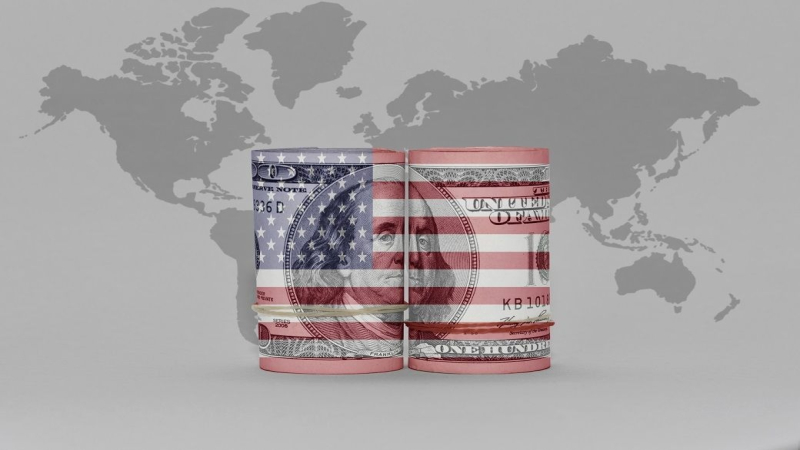
The dollar remains central to this strategy. The ability of the United States to offer favourable trade terms or impose restrictions is enhanced by the global use of the dollar in trade settlement and reserve holdings. As other powers look for alternatives to U.S.-led systems, Washington may find itself needing to reinforce the dollar’s role through policy, finance and trade.
Dollar Dominance and Strategic Risk
The dollar’s dominance as the global reserve currency has long given the United States what some call an “exorbitant privilege.” This privilege allows lower borrowing costs and broad economic leverage. In 2026 that position is under pressure from both economic and strategic rivals.
Emerging economies and some advanced nations are exploring options to reduce their dependency on the dollar by invoicing trades in other currencies or diversifying reserves. While none of these alternatives currently matches U.S. depth, the growth of such efforts poses strategic risk to dollar strength.
If the dollar’s role weakens, the United States could face higher borrowing costs, reduced ability to impose financial sanctions, and less influence in global governance institutions. In that scenario the interconnection between trade policy, geopolitics and currency strategy becomes critically important for U.S. economic security.
Implications for U.S. Export Competitiveness and Trade Balance
As strategic priorities shift, U.S. exporters are likely to see both headwinds and opportunities in 2026. On one hand, industries tied to defence and strategic supply chains may gain preferential access abroad. On the other hand, consumers in key markets may favour goods sourced from competitor nations with fewer strategic constraints.
The trade balance may swing depending on how geopolitics reshapes trade flows. For example supply-chain realignment away from the U.S. could reduce import dependence but also limit export growth if new trade partners are excluded. In that sense, the U.S. dollar and trade strategy are two sides of the same geopolitical coin.
Policy-makers must weigh how trade restrictions, tariffs, and export controls affect not just bilateral deficits but also the health of the dollar. Strategic trade tools can help preserve the dollar’s role but may provoke reciprocal shifts by other powers seeking currency and trade autonomy.
Looking Ahead: Strategic Coherence and Economic Control
In 2026 the most successful U.S. trade and currency policies will be those that combine economic discipline with strategic foresight. Trade deals will no longer be purely about tariffs and volume but about aligning with broader geopolitical interests. At the same time upholding the dollar’s global status will require consistent financial policy, reliable institutions and credible currency management.
Coordination between fiscal, monetary and trade policy will become more important than ever. If the United States sends mixed signals favoring one ally today, imposing tariffs tomorrow the strategic effect can ripple across currency value, reserve use and global capital flows.
For investors and analysts the message is clear: the dollar remains central but not invincible. How the United States manages its geopolitical relationships, trade posture and currency policy will determine whether that centrality holds or erodes.
Conclusion
Geopolitics is reshaping how the United States approaches both trade policy and the dollar in 2026. Maintaining export strength, leveraging strategic relationships and preserving currency dominance are deeply interconnected challenges. The coming year will test Washington’s ability to knit economic performance and strategic goals into a coherent policy framework.