HKD Peg Under Scrutiny
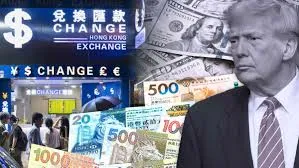
The Hong Kong dollar’s peg to the U.S. dollar is facing renewed pressure amid global economic shifts, prompting close monitoring by the Hong Kong Monetary Authority (HKMA). The 7.80 HKD/USD peg, which has maintained currency stability for decades, is being tested by strong U.S. economic performance, rising dollar demand, and capital flow volatility. Analysts note that any significant disruption to the peg could have far-reaching implications for trade, financial markets, and investor confidence in Hong Kong.
U.S. Economic Performance and Dollar Strength
Recent U.S. economic indicators, including strong consumer spending, steady employment gains, and core Personal Consumption Expenditures (PCE) rising 0.3% in August, have reinforced the dollar’s strength. Investors worldwide are reallocating capital toward dollar-denominated assets, which has increased demand for USD relative to the Hong Kong dollar. Analysts highlight that a persistently strong dollar exerts upward pressure on the USD/HKD exchange rate, challenging the ability of the peg to maintain its target range.
HKMA Interventions
To defend the peg, the HKMA has undertaken market operations, including buying U.S. dollars and selling Hong Kong dollars to ensure liquidity and stability. The authority has emphasized that these interventions are designed to maintain the peg within its allowed trading band, prevent disorderly market conditions, and reassure investors. Analysts note that proactive intervention, coupled with clear communication, is critical to sustaining market confidence and preventing speculative pressures from destabilizing the currency.
Domestic Economic Considerations
Hong Kong’s economy remains highly sensitive to currency fluctuations due to its open financial markets and reliance on international trade. A weakened HKD could increase import costs, affecting energy, consumer goods, and manufacturing sectors, while a stronger HKD could reduce export competitiveness. The HKMA’s defense of the peg is essential for maintaining predictable pricing for businesses, protecting household purchasing power, and sustaining overall economic stability. Analysts emphasize that stable exchange rates facilitate planning and investment in a globally connected market.
Investor Sentiment and Market Response
Financial markets have responded to HKMA actions with cautious confidence. The peg remains intact, and forex volatility has moderated following intervention measures. Analysts highlight that clear guidance from the central bank reassures both domestic and international investors, helping stabilize capital flows. Trading desks reported improved liquidity and smoother execution of transactions after the announcement, signaling that intervention measures are effective in mitigating short-term pressure.
Comparative Analysis with Regional Currencies
The Hong Kong dollar’s challenges are similar to those faced by other regional currencies under pressure from global dollar strength. The Indonesian rupiah, Indian rupee, and Mexican peso have all experienced depreciation against the U.S. dollar, prompting central bank responses. Analysts suggest that Hong Kong’s proactive management of the peg, coupled with substantial foreign reserves, positions it better than many emerging markets to maintain stability amid global financial pressures.
Implications for Trade
Maintaining the HKD peg is vital for cross-border trade and international investment. A stable currency ensures predictable transaction costs for importers and exporters, facilitates pricing agreements, and reduces hedging costs for multinational corporations. Analysts note that any significant disruption to the peg could lead to volatility in trade settlements, increased costs, and uncertainty for both domestic and foreign firms operating in Hong Kong. The HKMA’s interventions are therefore critical to sustaining confidence in Hong Kong as an international trading hub.
Inflation and Price Stability
Currency fluctuations can influence domestic inflation by affecting the cost of imported goods. A weaker HKD increases import costs, potentially driving higher consumer prices. By defending the peg, the HKMA mitigates these inflationary risks, supporting price stability and economic confidence. Analysts emphasize that currency stability contributes to broader macroeconomic stability, providing households and businesses with predictable financial conditions for planning and investment.
Global Capital Flows
Global capital movements play a crucial role in testing the HKD peg. Investors respond to shifts in interest rate differentials, U.S. monetary policy, and geopolitical developments. Strong dollar demand can result in capital outflows from Hong Kong, challenging the HKMA’s ability to maintain the peg. Analysts highlight that monitoring international capital flows, implementing timely interventions, and maintaining substantial reserves are essential for sustaining long-term currency stability.
Outlook for the HKD Peg
Looking forward, analysts expect continued scrutiny of the HKD peg amid persistent U.S. economic strength and global market volatility. The HKMA is likely to maintain proactive measures, including interventions and market guidance, to ensure the peg remains within its trading band. Key factors influencing the currency include U.S. monetary policy, trade negotiations, capital flows, and investor sentiment. Analysts recommend close monitoring by both policymakers and market participants to anticipate potential volatility and maintain stability.
Strategic Importance for Hong Kong
The HKD peg is central to Hong Kong’s status as a global financial hub. Stability in the currency supports confidence in banking, trade, and investment sectors. Analysts note that the central bank’s credibility, transparent communication, and robust reserve management are vital in preserving Hong Kong’s financial reputation. The peg’s sustainability directly affects investor behavior, corporate planning, and cross-border economic activity, reinforcing its strategic importance.
Conclusion
Hong Kong’s currency peg faces pressure from global economic shifts and persistent U.S. dollar strength. The HKMA’s interventions, combined with transparent communication and robust reserves, have successfully maintained stability in the face of external challenges. Analysts emphasize that proactive monitoring, strategic interventions, and policy credibility are essential to sustaining the peg, supporting trade, and maintaining investor confidence. The experience underscores the interconnected nature of global financial markets and the importance of central bank action in managing currency stability amid international economic fluctuations.