HKMA Takes Action to Support the Hong Kong Dollar
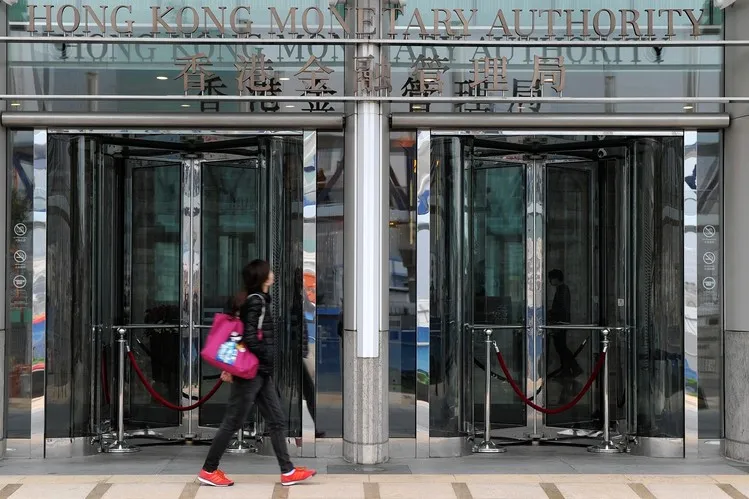
The Hong Kong Monetary Authority (HKMA) has intervened in currency markets to safeguard the Hong Kong dollar’s peg to the U.S. dollar amid increasing global volatility. The peg, maintained at a rate of HKD 7.80 to USD 1, is a critical component of Hong Kong’s financial stability and international investor confidence. Officials emphasized that the intervention aims to ensure orderly market conditions and prevent excessive fluctuations that could disrupt trade, investment, and domestic economic activity.
Reasons for Intervention
The HKMA cited pressure from rising U.S. dollar strength and regional capital flows as key factors prompting the intervention. Recent U.S. economic data, including resilient consumer spending, moderate inflation, and labor market stability, have reinforced the dollar’s global demand. Consequently, emerging market currencies and regional assets, including the Hong Kong dollar, experienced volatility. The central bank’s intervention serves to maintain the integrity of the currency peg, ensuring that Hong Kong continues to function as a stable and attractive financial center.
Mechanisms of Currency Support
The HKMA utilized its foreign currency reserves and short-term liquidity facilities to stabilize the Hong Kong dollar. This included market operations to buy or sell U.S. dollars against the Hong Kong dollar as needed to maintain the peg. Officials also coordinated with local banks to ensure adequate liquidity in the market, preventing sudden spikes or drops in exchange rates. Analysts noted that these measures are consistent with the HKMA’s long-standing mandate to defend the currency peg and maintain financial stability.
Domestic Economic Implications
Maintaining the HKD-USD peg is essential for Hong Kong’s domestic economy. The peg underpins trade pricing, cross-border investments, and financial contracts denominated in U.S. dollars. Any significant deviation could increase costs for importers and exporters, destabilize financial institutions, and affect investor confidence. By intervening in the currency market, the HKMA helps ensure predictable exchange rates, supporting business planning, consumer confidence, and long-term economic growth.
Global Market Context
The intervention occurs against a backdrop of a strong U.S. dollar, influenced by robust economic fundamentals and safe-haven demand. Emerging market currencies have been experiencing pressure, leading central banks to adopt defensive measures. Analysts point out that Hong Kong’s unique position as an international financial hub makes currency stability paramount, as capital flows respond rapidly to global economic signals. The HKMA’s proactive stance aims to mitigate external shocks and preserve Hong Kong’s competitive advantage in international trade and finance.
Investor Sentiment and Market Response
Financial markets responded quickly to the HKMA’s announcement, with the Hong Kong dollar stabilizing and short-term volatility decreasing. Analysts noted that clear communication from the HKMA was key to maintaining investor confidence. Forex trading desks reported improved liquidity and smoother market operations following the intervention. Investors interpreted the central bank’s actions as a reaffirmation of its commitment to defend the peg and maintain financial stability.
Comparisons with Other Regional Central Banks
Hong Kong’s intervention mirrors strategies used by other regional central banks facing similar pressures from U.S. dollar strength. For example, the Bank of Indonesia and the Reserve Bank of India have also implemented measures to stabilize local currencies amid capital flow shifts. Analysts suggest that Hong Kong’s approach is particularly critical due to the city’s reliance on financial services, trade, and cross-border investment, making currency stability a key priority.
Inflation and Economic Stability
Maintaining the currency peg also has implications for inflation management. A sudden depreciation of the Hong Kong dollar could increase import costs, feeding into consumer prices and creating additional economic pressure. By defending the peg, the HKMA helps control potential inflationary impacts, supporting price stability and overall economic confidence. Analysts note that this stability benefits households, businesses, and investors alike, reducing uncertainty and facilitating smoother economic planning.
Outlook for the Hong Kong Dollar
Looking forward, the HKMA is expected to continue monitoring global economic conditions, U.S. dollar trends, and domestic liquidity to maintain the currency peg. Analysts predict that the central bank will remain proactive, intervening as necessary to prevent excessive volatility. Factors such as U.S. monetary policy adjustments, regional capital flows, and global economic developments will influence the HKD’s performance, and the HKMA’s readiness to act will be critical in preserving financial stability.
Conclusion
The Hong Kong Monetary Authority’s intervention demonstrates the importance of proactive central banking in maintaining currency stability amid global volatility. By defending the HKD-USD peg, the HKMA supports trade, investment, and economic confidence, ensuring that Hong Kong continues to function as a stable international financial center. The action highlights the interconnectedness of global markets, the influence of U.S. economic performance, and the need for emerging and regional economies to maintain robust policy frameworks. Investors and businesses alike are advised to monitor central bank actions closely, as these decisions directly affect currency markets, trade operations, and financial stability in Hong Kong.