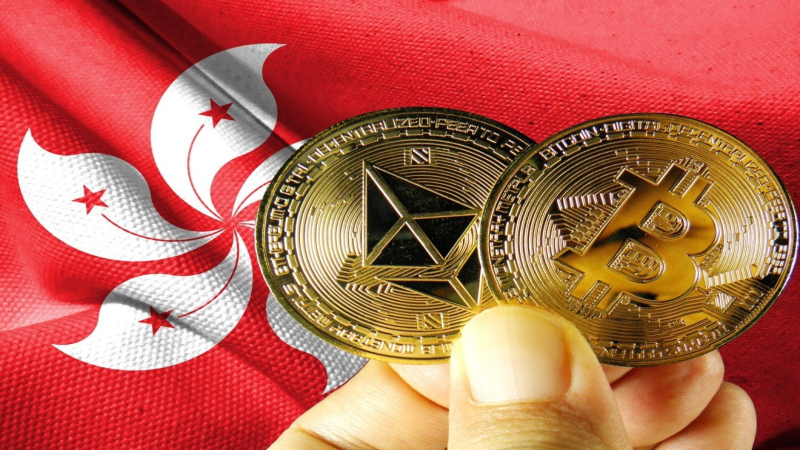
Hong Kong’s equity market recorded a notable transaction as a leading digital asset platform completed a sizeable public offering, signaling selective investor appetite for regulated crypto infrastructure despite broader market volatility. The offering raised approximately $207 million after being priced near the upper end of its marketed range, reflecting strong demand from both retail and institutional participants. Subscription levels far exceeded available shares, underscoring how licensed and compliant digital finance firms continue to attract capital even as risk sentiment remains uneven. The transaction comes at a time when global listings have slowed amid tighter financial conditions, making the response to this deal particularly relevant for regional capital market dynamics. For macro observers, the successful pricing suggests that investors are differentiating between speculative crypto exposure and firms positioned within established regulatory frameworks.
The listing also highlights Hong Kong’s evolving role as a gateway for digital finance in Asia. While market volatility in the United States has weighed on cross border listings, the city has maintained its appeal by offering regulatory clarity and access to both regional and international capital pools. The exchange’s diversified business model, spanning brokerage, asset management, and tokenization services, aligns with investor preference for platforms that extend beyond pure trading activity. This structure reduces revenue concentration risk and enhances resilience in periods of fluctuating volumes. From a broader financial perspective, the deal reflects how capital is flowing toward infrastructure plays rather than speculative instruments, reinforcing a shift in how digital asset exposure is being priced and allocated.
From a global macro standpoint, developments in Asian capital markets carry implications for currency flows and reserve allocation trends. Successful equity issuance can support local liquidity conditions and strengthen regional financial centers competing for global capital. At the same time, investor selectivity suggests that tighter monetary conditions continue to influence risk assessment across asset classes. For currency and policy analysts, the transaction illustrates how financial innovation is being integrated into traditional market structures rather than operating in parallel. As regulatory frameworks mature, capital markets may increasingly serve as the bridge between digital finance and conventional investment channels, influencing long term funding patterns and cross border financial integration.