By Jonathan Reyes | Macro & Geopolitics Editor
Introduction: Politics Meets FX
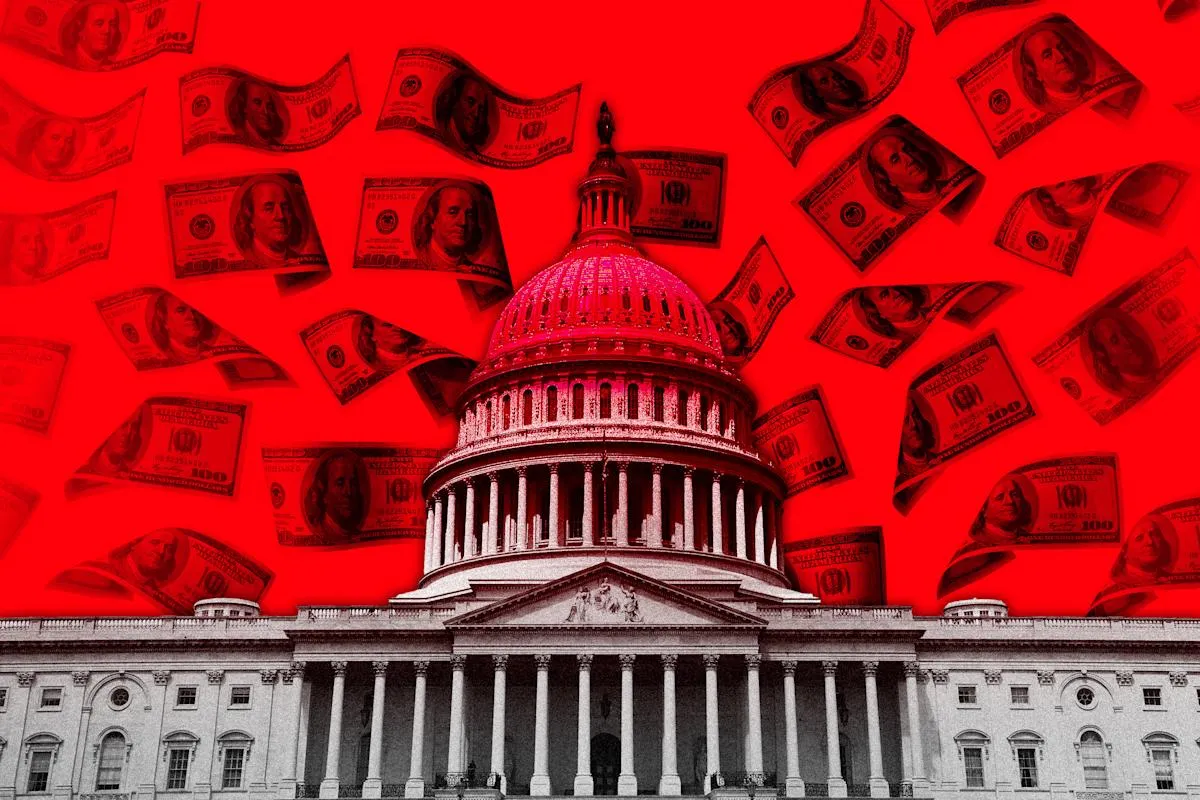
In mid-2023, Washington’s debt-ceiling fight threatened to push the U.S. into technical default. For the dollar, this created a paradox: short-term safe-haven demand for Treasuries collided with long-term doubts about U.S. governance.
The Standoff
Partisan gridlock brought the Treasury close to exhausting cash balances. Markets watched nervously as policymakers clashed. Fitch responded by downgrading U.S. debt to AA+ in August, citing “erosion of governance.”
Market Impact
- Treasuries: Short-term yields spiked as investors demanded compensation for risk.
- DXY: Initially strengthened on safe-haven flows, but later dipped as credit concerns grew.
- Credit Default Swaps (CDS): U.S. CDS spreads widened to record levels.
Employment & Inflation Context
- Jobs: Unemployment steady at 3.6%, MoM payrolls ~200k.
- Inflation: Cooling but still 3–4% core, keeping the Fed on hold.
Thus, fundamental data looked solid — but politics clouded investor sentiment.
Broader Risk Premium
The debt ceiling saga highlighted how political dysfunction adds a risk premium to the dollar, distinct from interest-rate dynamics. Global investors began considering diversification not because of yields, but because of credibility concerns.
Conclusion: Lessons from 2023
The episode reinforced that the dollar’s strength rests not just on the Fed, but on the perception of U.S. institutional reliability. While short-term demand held, the long-term cost was higher volatility and doubts about governance quality.