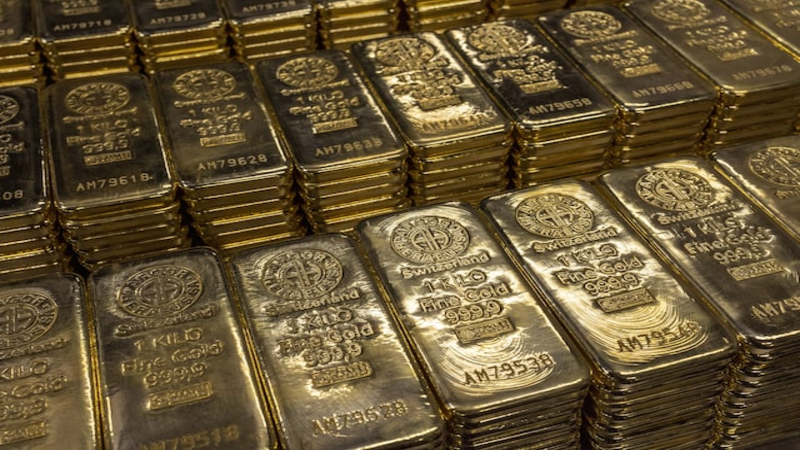
Gold prices hovered close to record levels as softer US inflation data reinforced expectations that interest rates may trend lower in the coming year, easing pressure on non yielding assets. The moderation in consumer prices weakened the dollar marginally and pulled Treasury yields lower, creating a supportive backdrop for precious metals. While the inflation slowdown was influenced by data gaps linked to the recent government shutdown, markets focused on the directional signal rather than the technical caveats. For investors, the key takeaway was reduced urgency for further monetary tightening, a dynamic that typically underpins demand for gold as a store of value. The metal’s resilience near historic highs reflects continued sensitivity to shifts in US macro data and policy expectations tied to dollar liquidity.
Rate expectations remain the primary transmission channel linking inflation data to precious metals. Futures markets have modestly increased the probability of rate cuts next year, reinforcing the appeal of assets that do not offer yield but benefit from lower real rates. Gold’s performance highlights how even incremental changes in inflation expectations can influence positioning when prices are already elevated. The broader context remains one of uncertainty rather than conviction, with traders balancing softer price data against the absence of full monthly inflation readings. This environment has kept gold supported without triggering a decisive breakout, as markets wait for clearer confirmation that disinflation is sustainable and policy easing is approaching.
Other precious metals reflected similar dynamics but with greater volatility. Silver retreated slightly after touching record highs, though it continues to outperform on strong investment demand and persistent concerns around supply constraints. Platinum and palladium extended gains to multi year highs, supported by industrial demand signals and improving sentiment toward global manufacturing activity. The widening strength across the complex suggests that precious metals are increasingly being treated as both macro hedges and cyclical assets. For gold, however, the dominant driver remains its role as a hedge against policy uncertainty and currency debasement rather than industrial fundamentals.
Looking ahead, gold’s trajectory will remain closely tied to incoming US data and signals from the Federal Reserve. With inflation readings clouded by recent disruptions and labor market data offering mixed signals, markets are likely to remain reactive to each release. Any confirmation that price pressures are easing more decisively could further weaken the dollar and support bullion prices. Conversely, a rebound in inflation could reintroduce volatility across rates and currency markets. For now, gold’s ability to remain near record levels underscores persistent demand for assets perceived as protection against shifting monetary conditions and an uncertain global macro backdrop.