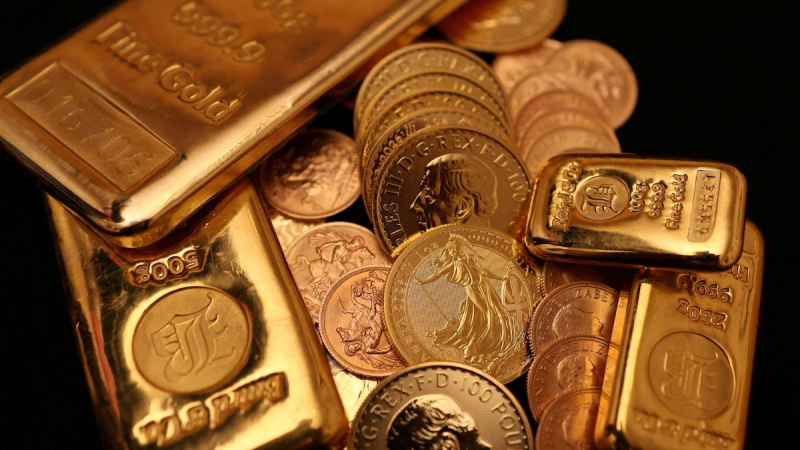
Gold’s surge in 2025, marking its strongest annual performance since the late 1970s, is increasingly being interpreted as a structural signal rather than a speculative excess. Prices have more than doubled over the past two years, reaching record highs as demand broadened beyond traditional investors to include central banks, corporate treasuries, and non traditional financial actors. The rally has unfolded alongside persistent fiscal strain in the United States, rising geopolitical fragmentation, and uncertainty around policy credibility. Rather than triggering an automatic correction narrative, the scale and composition of buying suggest that gold is being used as a strategic hedge against long term currency and balance sheet risk. This shift has altered how markets interpret price strength, reframing gold as a barometer of confidence in monetary and fiscal frameworks rather than a cyclical trade.
A key driver anchoring the current cycle has been sustained central bank demand, particularly from countries seeking to diversify reserves away from dollar denominated assets. This steady bid has provided downside support even during periods of investor de risking, allowing prices to stabilize at higher levels before extending gains. Analysts note that reserve managers tend to add when positioning cools, reinforcing gold’s role as a stabilizing asset within official portfolios. At the same time, investor allocations to gold have risen but remain modest relative to historical extremes, suggesting capacity for further rebalancing. Concerns around fiscal deficits, trade disputes, and the perception of political influence on monetary institutions have added to gold’s appeal as a neutral store of value in an increasingly polarized global system.
From a dollar focused perspective, the rally underscores a reassessment of long term currency risk rather than a short term inflation hedge. Gold and equities rising together has challenged traditional correlations, pointing to a market environment shaped by liquidity abundance in some channels and policy uncertainty in others. While forecasts point to a moderation in the pace of gains next year, expectations for higher price levels persist as long as structural demand remains intact. Gold’s behavior suggests it is being priced not only against inflation or rates, but against confidence in institutional stability and global settlement norms. For observers of the dollar system, the metal’s strength serves as a signal of persistent demand for assets perceived as insulated from policy volatility, even as traditional risk assets continue to attract capital.