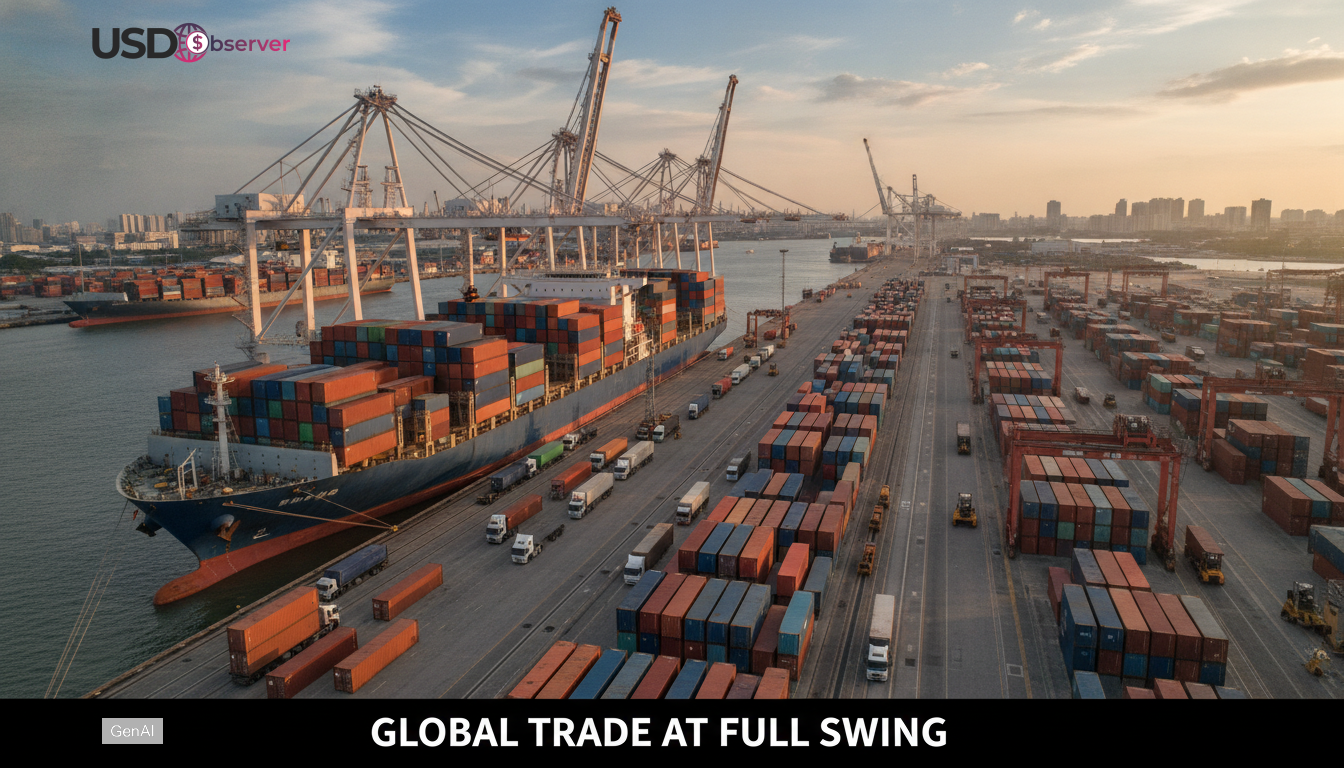
Global supply chains continue to evolve as companies adjust to shifting economic conditions, geopolitical changes, and growing technological demands. Throughout this complex environment, the US dollar remains the primary currency used for international settlements. Its widespread acceptance provides stability and consistency, which is essential for maintaining smooth trade operations across borders. As businesses adapt to new global realities, the role of the dollar in supply chain financing has become even more important for managing risk and enabling predictable transactions.
Despite ongoing discussions about alternative currencies and digital settlement systems, the dollar continues to dominate trade invoicing and logistics payments. This dominance is supported by strong liquidity, reliable financial infrastructure, and global trust in US institutions. For many companies, using a single currency simplifies operations and reduces the complications associated with multi currency settlements. As global supply chains expand into new regions, the dollar’s influence remains a foundation of international trade.
Why Dollar Settlements Remain Central to Global Supply Chains
The most important reason the dollar remains central to global supply chains is its role as the world’s most widely used trade currency. Many major commodities, manufacturing goods, and transport services are priced in dollars, which creates a unified benchmark for international transactions. This consistent pricing structure reduces uncertainty and makes financial planning easier for businesses engaged in global trade. Companies benefit from lower exchange rate risks and more transparent cost management.
Another significant factor is the strength of the US financial system. The depth and reliability of dollar based banking networks help businesses settle cross border payments quickly and securely. These systems support real time tracking, strong compliance frameworks, and extensive liquidity. Companies that operate across multiple regions rely on these features to maintain stable cash flows and reduce delays. This reliability encourages continued use of the dollar for supply chain operations.
Dollar settlements also simplify contract negotiations between global partners. By using a common currency, companies avoid complex pricing adjustments and reduce the administrative burden associated with frequent conversions. Contracts become easier to enforce, and payment terms remain clear for all participants. This predictability supports long term business relationships and strengthens the stability of global supply networks.
The Role of the Dollar in Logistics and Shipping Markets
Shipping companies, freight forwarders, and logistics providers frequently rely on dollar based payments to manage international operations. Freight rates, container rentals, and port fees are often quoted in dollars. This standard pricing structure ensures consistency across regions and helps companies coordinate supply chains more efficiently. The dollar also supports financing arrangements for shipping fleets, warehousing, and cross border transport.
Impact on Emerging Market Supply Chains
Emerging markets depend heavily on the dollar for importing raw materials, machinery, and manufactured goods. Currency fluctuations can create challenges for companies in these regions because a weaker local currency increases the cost of dollar denominated imports. This affects pricing, profit margins, and overall production cycles. Many businesses respond by hedging currency risks or adjusting procurement strategies to stabilize operations. These dynamics illustrate the lasting influence of the dollar on global supply chain performance.
Growing Interest in Alternative Settlement Methods
While the dollar remains dominant, companies and governments are showing growing interest in alternative settlement systems. Some regions are exploring local currency trade agreements to reduce dependence on the dollar. Digital settlement tools, including blockchain based systems, offer new options for improving transaction speed and transparency. However, these alternatives remain limited in scale and require significant infrastructure development. Until these systems reach broader adoption, the dollar will continue to play the leading role.
Conclusion
The US dollar remains vital for global supply chains by providing stability, liquidity, and consistent settlement structures. Businesses across the world rely on the dollar to manage costs, reduce risks, and maintain reliable operations. Although alternative settlement methods are emerging, the dollar’s strong financial foundation ensures its continued dominance in international trade. As global supply chains grow more complex, the central role of the dollar will remain an essential factor in supporting efficient and predictable economic activity.