Global financial markets staged a strong rebound after easing geopolitical tensions reduced fears of a prolonged energy shock, driving oil prices sharply lower and lifting equities across major economies. Investor sentiment improved after signals that military escalation involving Iran may be temporarily delayed, prompting a reversal in recent risk aversion trends. The shift triggered broad based gains in global stock indices, while safe haven demand weakened, leading to declines in the US dollar and a pullback in government bond yields.
Oil markets reacted immediately, with crude prices falling more than eight percent as concerns over supply disruptions eased. Brent crude dropped toward 100 dollars per barrel, while US crude moved below key levels that had been reached during peak tension. The decline reflects a rapid repricing of geopolitical risk, as traders adjusted expectations for potential disruptions in critical energy routes. The earlier surge in oil had been driven by fears surrounding the Strait of Hormuz and attacks on energy infrastructure, making the latest drop a significant relief for global markets.
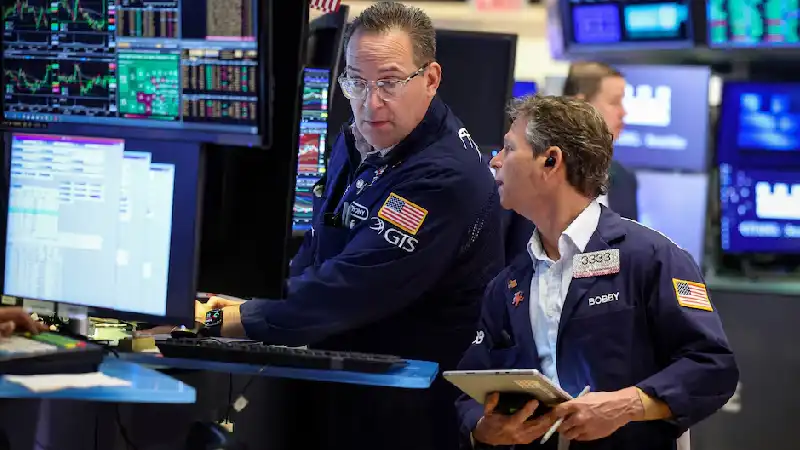
Equity markets responded positively to the easing of tensions, recovering from recent losses that had pushed major indices to multi month lows. US stocks recorded strong gains, with the S and P 500, Nasdaq and Dow Jones all advancing as investors rotated back into risk assets. European markets also saw notable increases, reflecting improved confidence across global financial systems. The rally highlights how closely equity performance is tied to energy prices and geopolitical developments, particularly during periods of heightened uncertainty.
At the same time, bond markets stabilized after recent volatility driven by inflation concerns. Government bond yields, which had surged on expectations of tighter monetary policy, moved lower as oil prices declined and inflation fears moderated. This shift led investors to scale back expectations for aggressive rate hikes from central banks in both the United States and Europe. The adjustment underscores the direct link between energy costs and monetary policy outlook, with central banks closely monitoring how geopolitical developments influence inflation trajectories.
Currency markets also reflected the change in sentiment, with the US dollar weakening against major currencies as demand for safe haven assets declined. The euro and other currencies gained ground as investors moved away from defensive positioning. However, analysts caution that the rebound remains fragile, as conflicting signals from geopolitical developments continue to create uncertainty. While some statements point toward potential de escalation, others suggest that underlying tensions remain unresolved and could resurface quickly.
Market participants emphasize that the durability of the current rally will depend on whether diplomatic progress materializes or if the situation deteriorates again. The recent recovery is being viewed as a reaction to short term developments rather than a confirmation of lasting stability. Investors are expected to remain highly sensitive to headlines, with volatility likely to persist as markets navigate a complex mix of geopolitical risk, energy price movements and shifting monetary policy expectations.
In the near term, financial markets are likely to continue responding rapidly to developments in the Middle East, with oil prices remaining the key variable influencing asset performance. The balance between easing tensions and ongoing uncertainty will shape investor behavior, determining whether the current rebound can extend further or give way to renewed risk aversion.