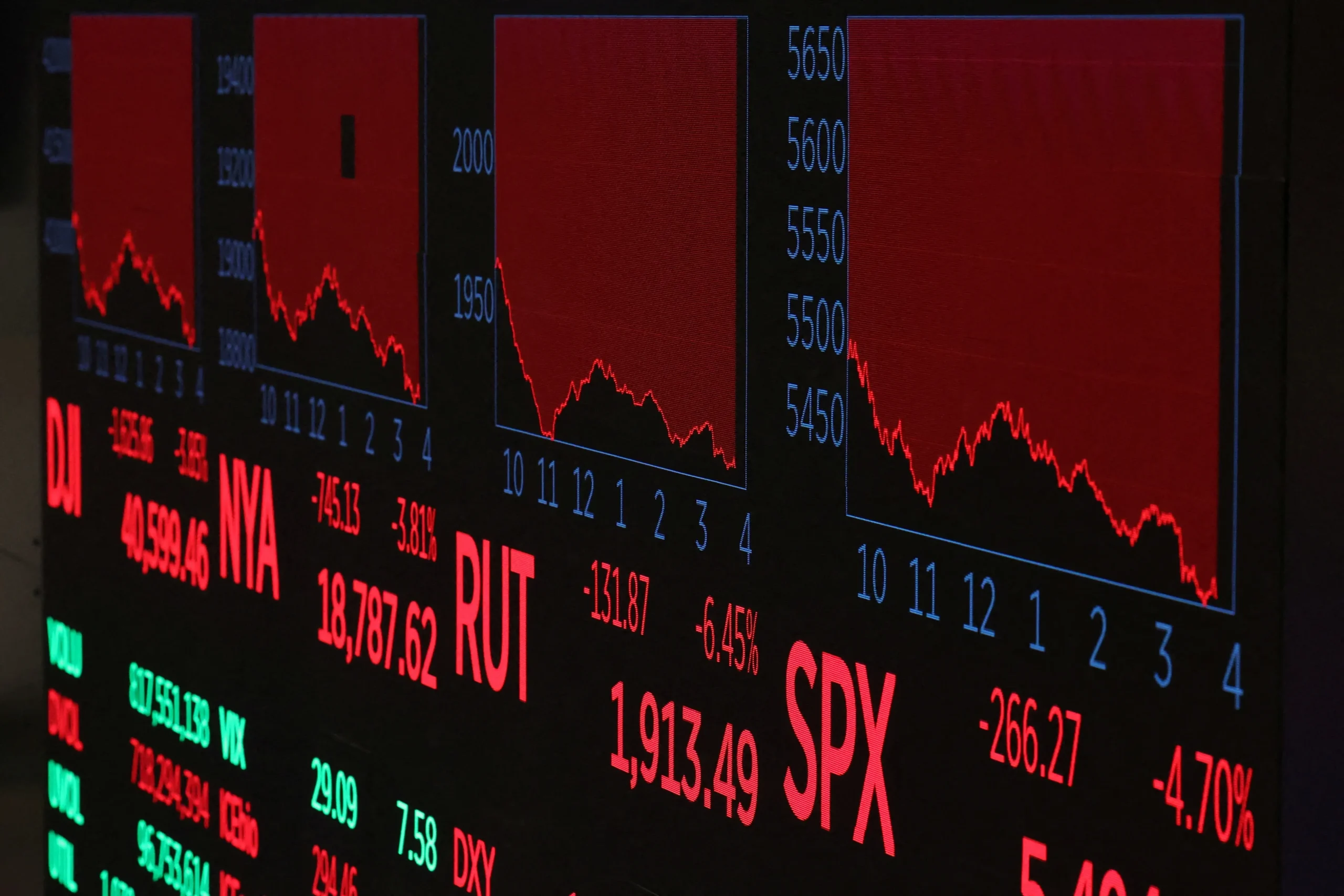
Market Response to PCE Data
Global foreign exchange markets reacted swiftly following the release of U.S. Personal Consumption Expenditures (PCE) data, showing core inflation at 2.9% year-over-year and a monthly increase of 0.3% in August. Traders and investors interpreted the data as a signal that inflation remains contained, providing clarity on the Federal Reserve’s potential policy direction. The release prompted notable activity in major currency pairs, emerging market currencies, and commodity-linked exchange rates. Analysts highlight that the combination of inflation moderation and persistent trade tensions created a complex environment for market participants.
U.S. Dollar Strength
The U.S. dollar benefited from the PCE data, with the dollar index (DXY) trending upward in early trading. Investors viewed the figures as indicative of a stable inflationary environment, reinforcing confidence in the dollar’s safe-haven status amid global uncertainties. Key USD pairs, including EUR/USD, GBP/USD, and USD/JPY, showed increased volatility, reflecting market positioning around the Fed’s monetary policy stance and investor expectations for potential interest rate adjustments. Analysts note that the dollar’s strength is influenced both by domestic economic fundamentals and external market pressures.
Impact of Trade Tensions
Concurrent trade tensions between the United States and several key trading partners amplified market reactions to the PCE data. Tariff negotiations, export restrictions, and trade policy announcements affected investor sentiment, contributing to fluctuations in currency valuations. Emerging market currencies, such as the Indonesian rupiah, Indian rupee, and Mexican peso, faced downward pressure as investors sought safe-haven assets in response to uncertainty. Analysts highlight that trade dynamics directly impact cross-border capital flows, influencing exchange rates and risk premia in global FX markets.
Central Bank Reactions
Central banks worldwide monitored the U.S. inflation report closely. Divergent monetary policy stances, including accommodative policies in the eurozone and Switzerland, contrasted with the Fed’s measured approach. Analysts observed that central banks in emerging markets, such as Indonesia, India, and Mexico, adjusted interventions to stabilize domestic currencies in response to dollar strength and PCE data interpretation. These coordinated and individual responses underscore the importance of central bank vigilance in maintaining financial stability amid complex global dynamics.
Emerging Market Volatility
Emerging market currencies experienced notable volatility following the PCE release. The Indonesian rupiah and Indian rupee weakened temporarily, prompting central bank interventions to stabilize exchange rates. Analysts emphasize that emerging market exposure to dollar-denominated debt, trade dependencies, and capital flows heightens sensitivity to U.S. monetary signals. Investor strategies, including hedging and short-term currency positioning, were recalibrated based on updated inflation expectations and trade developments.
Investor Sentiment and Hedging Strategies
Financial institutions and multinational corporations responded to the PCE data by reassessing risk and adjusting hedging strategies. Forward contracts, options, and currency swaps were employed to manage USD exposure and mitigate volatility. Analysts note that investor confidence depends on transparent monetary policy communication, predictable capital flows, and clear guidance from central banks. Hedging strategies are particularly important for import-dependent industries, exporters, and global investors with multi-currency portfolios.
Commodity Market Reactions
Commodity prices reacted to the PCE report and associated FX volatility. Gold prices remained above $3,750 per ounce as investors sought safe-haven assets amid trade uncertainties. Oil and base metals adjusted to currency fluctuations and expectations for U.S. economic growth. Analysts highlight that commodities priced in U.S. dollars are sensitive to both the dollar’s strength and inflation expectations, influencing global trade and investment decisions. Stable commodity markets support investor confidence while moderating systemic risk in emerging and developed economies.
Cross-Border Trade Implications
Exchange rate volatility stemming from PCE data and trade tensions affected cross-border transactions. Exporters and importers recalculated costs, pricing, and hedging requirements based on the updated USD strength and inflation outlook. Analysts note that currency stability is essential for planning, financial reporting, and supply chain management. Companies with diversified markets and currency risk management frameworks were better positioned to absorb temporary fluctuations and maintain operational efficiency.
Outlook for Global FX Markets
Looking ahead, FX markets are expected to remain sensitive to U.S. economic data, Federal Reserve communications, and trade developments. Analysts anticipate continued volatility in USD pairs, emerging market currencies, and commodity-linked exchange rates. Investors are advised to monitor labor market data, industrial production, and upcoming trade policy announcements, as these factors will shape capital flows and currency valuations. Hedging, diversification, and strategic portfolio adjustments are recommended to navigate short-term uncertainty.
Policy Implications for Central Banks
Central banks globally are closely evaluating the combined effects of U.S. inflation data and trade tensions. Analysts suggest that interventions, interest rate adjustments, and liquidity management tools will continue to be employed to mitigate systemic risks. The PCE data underscores the need for coordinated policy awareness and proactive risk management. Emerging market authorities, in particular, must remain agile in balancing domestic objectives with global currency market pressures.
Conclusion
Global FX markets responded decisively to the U.S. PCE data amid ongoing trade tensions, highlighting the interconnection between inflation trends, currency valuation, and cross-border economic activity. The U.S. dollar’s strength was reinforced by contained inflation, while emerging market currencies experienced volatility requiring central bank intervention. Investors and businesses recalibrated hedging strategies, while commodity markets adjusted to new currency dynamics. Analysts emphasize that ongoing monitoring of monetary policy, trade developments, and economic indicators is critical for managing risk and ensuring stability in global currency markets. The PCE report illustrates the continuing influence of U.S. economic fundamentals on the global financial system and the importance of proactive management in a complex international environment.