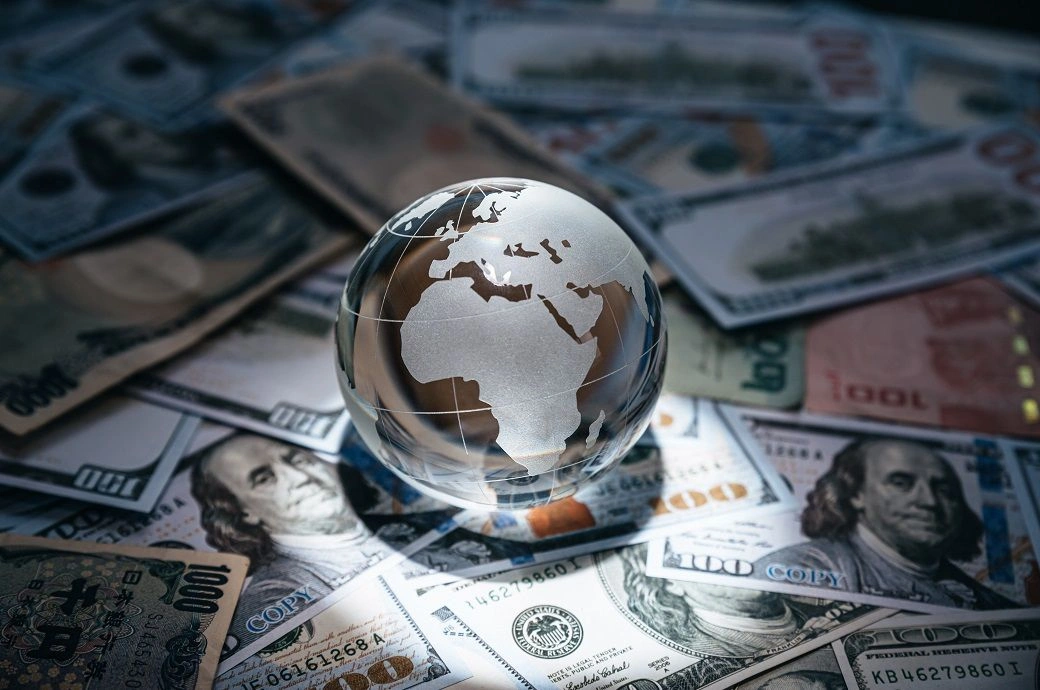
The global economy is undergoing significant structural changes as nations adapt to shifting trade patterns, inflationary pressures, and rapid technological advancement. Economic growth across different regions remains uneven, with developed and developing markets experiencing varying levels of recovery and expansion. These changes are influencing investment flows, labor markets, and long term financial stability worldwide.
Inflation continues to be one of the central challenges affecting the global economic landscape. Rising costs of energy, food, and essential goods have placed pressure on households and businesses, leading central banks to adjust interest rates in response. These monetary policy decisions are aimed at stabilizing prices, but they also impact borrowing costs, consumer spending, and overall economic growth.
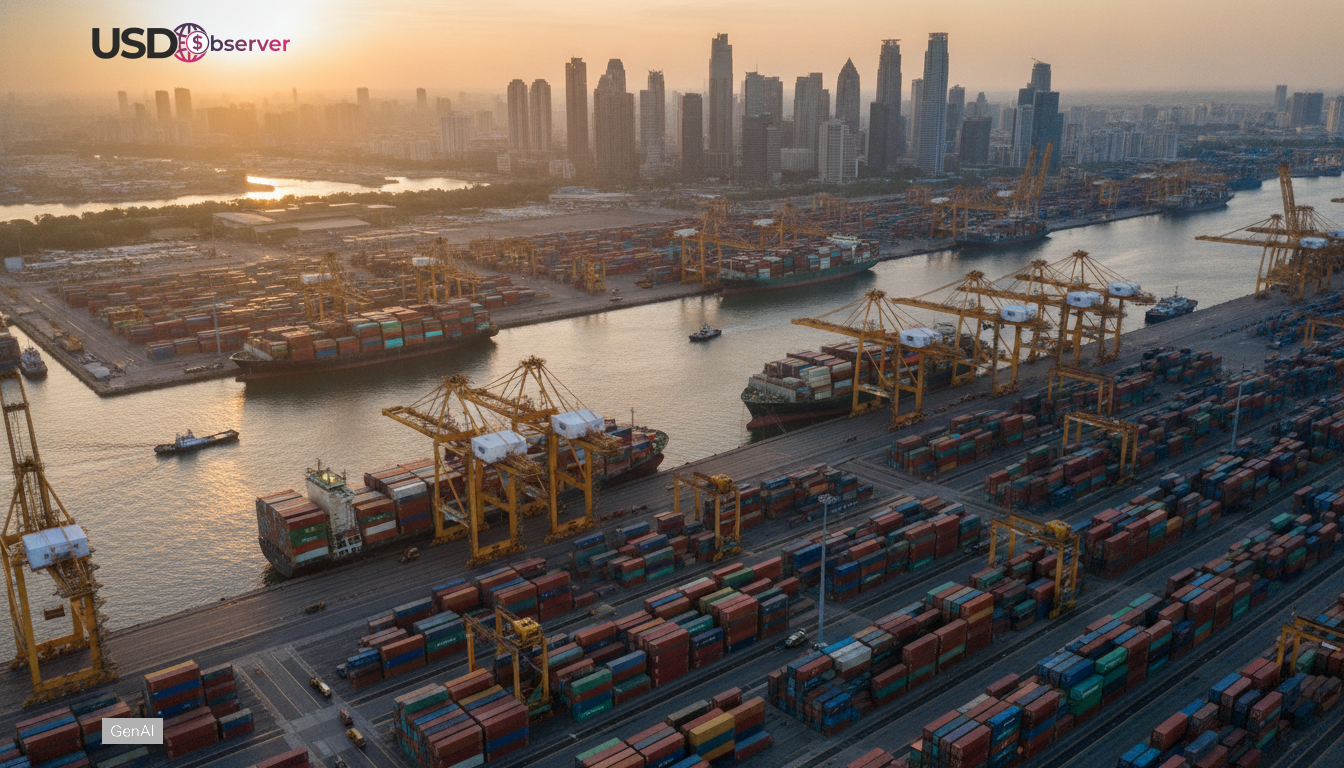
Global trade dynamics are also evolving as countries reassess supply chains and international dependencies. Geopolitical tensions, transportation disruptions, and shifting trade agreements are encouraging businesses to diversify production and sourcing strategies. This transition is leading to the development of more regionalized supply chains and increased focus on economic resilience.
Technology is playing an increasingly important role in shaping global economic trends. Digital transformation, automation, and artificial intelligence are improving productivity across industries while also changing labor market structures. Many economies are investing heavily in innovation to remain competitive in a rapidly evolving global environment.
Emerging markets are becoming more influential in global economic growth, driven by population expansion, industrial development, and increasing foreign investment. These regions are contributing significantly to global demand and production, reshaping traditional economic power balances and creating new opportunities for international trade and collaboration.
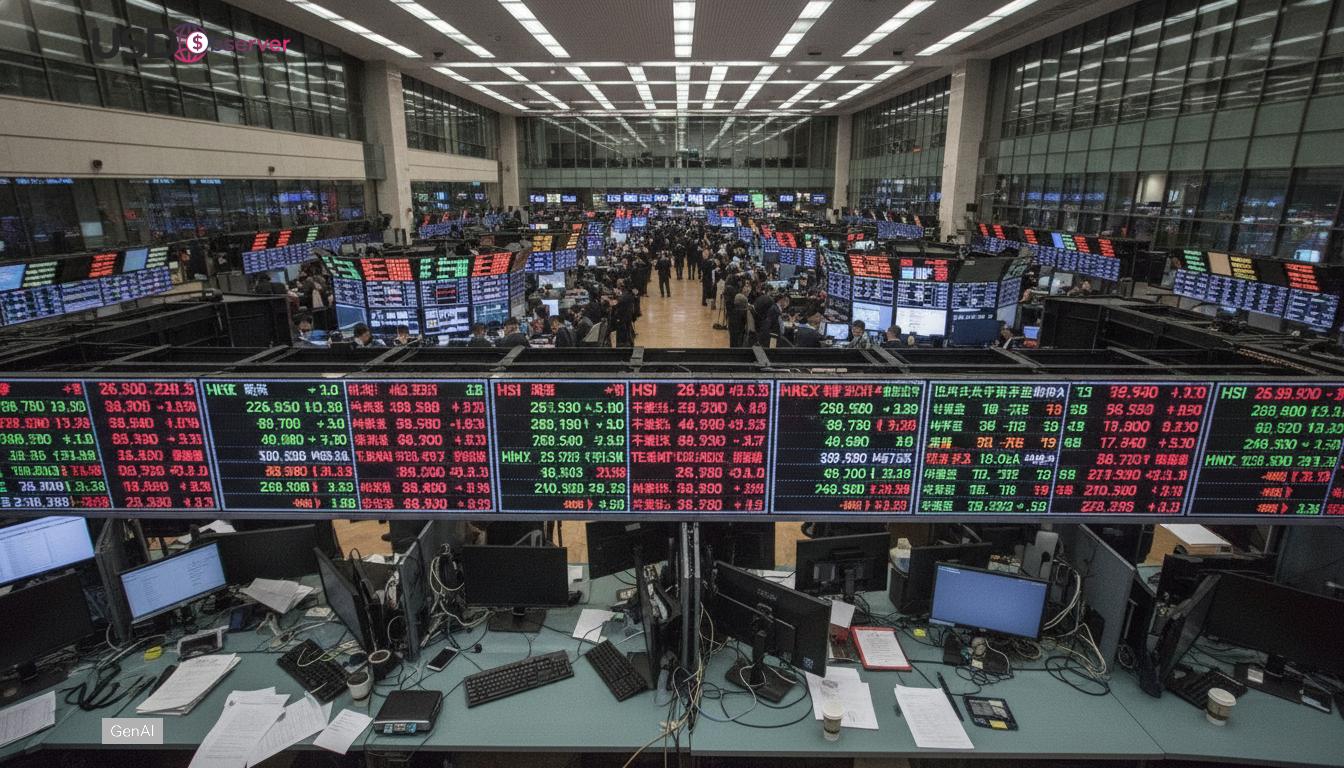
Financial markets remain sensitive to global economic conditions, with investors closely monitoring inflation data, interest rate changes, and geopolitical developments. Volatility continues to be a defining feature, but long term confidence in global economic recovery and innovation remains intact.
As the global economy continues to evolve, the focus remains on balancing growth, stability, and sustainability. The interaction between policy decisions, technological progress, and international cooperation will play a key role in shaping the future economic outlook.