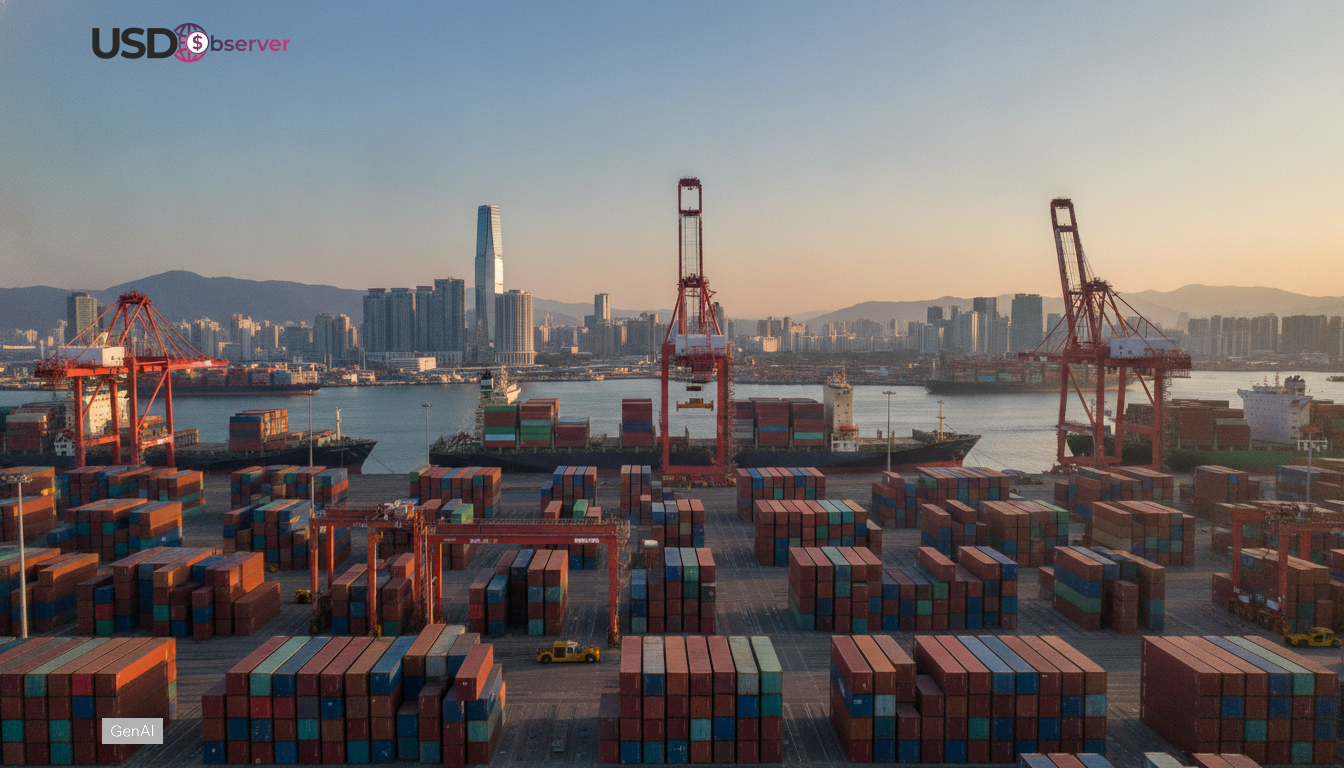
Global debt levels continue to climb as governments, corporations, and households manage the legacy of past stimulus, higher interest costs, and slower growth. Public borrowing has expanded to support social spending and refinancing needs, while private debt remains elevated due to years of accommodative financial conditions. Despite this steady rise in global debt, one expectation has not materialized. Dollar reserves have not declined in response.
Instead of reducing exposure to the US dollar, central banks and institutions are maintaining their reserve positions. This stability highlights a structural reality of the global financial system. Rising debt has not weakened confidence in the dollar. In many respects, it has reinforced the need for it.
Rising Debt Is Increasing Demand for Stability
The most important reason dollar reserves are holding is that higher debt increases sensitivity to financial instability. As debt burdens grow, the margin for policy error narrows. Governments and central banks become more cautious about liquidity, refinancing risk, and market confidence.
In this environment, reserve assets must provide reliability rather than experimentation. The dollar continues to offer deep liquidity, transparent markets, and the ability to mobilize funds quickly during periods of stress. These qualities become more valuable as debt levels rise and fiscal flexibility declines.
Rather than diversifying aggressively, reserve managers prioritize assets that can absorb shocks. The dollar fits this requirement more consistently than any alternative.
Debt Servicing Pressures Reinforce Dollar Usage
A large share of global debt is directly or indirectly linked to the dollar. Sovereign borrowing, trade finance, and corporate obligations often reference dollar markets even when issued in local currencies. As debt grows, managing these obligations requires access to dollar liquidity.
Central banks hold dollar reserves to ensure they can meet external payment needs, stabilize exchange rates, and support domestic financial systems. Rising debt increases the importance of these functions rather than diminishing them.
Reducing dollar reserves in a high debt environment would raise risk rather than reduce it. This reality explains why reserve composition has remained relatively stable even as debt ratios climb.
Financial Markets Reward Reserve Continuity
Financial markets closely monitor reserve adequacy, particularly in economies with elevated debt. Stable dollar reserves signal credibility and preparedness. They reassure investors that authorities can manage external pressures without resorting to disruptive measures.
Maintaining dollar reserves helps anchor expectations around currency stability and debt sustainability. This anchoring effect can lower borrowing costs and reduce volatility, creating a feedback loop that supports continued reserve holding.
In contrast, rapid shifts away from the dollar could be interpreted as a sign of vulnerability. For heavily indebted economies, signaling stability is often more important than signaling diversification.
Alternatives Have Not Scaled With Debt Growth
While discussions around reserve diversification continue, alternatives have not scaled at the same pace as global debt. Other currencies and assets lack the depth, liquidity, and universal acceptance required to support large reserve balances during periods of stress.
As debt grows, the need for assets that can be deployed quickly and in size becomes more pressing. The dollar remains uniquely positioned to meet this requirement. Its markets can absorb large transactions without significant price disruption.
This mismatch between rising debt and limited reserve alternatives reinforces dollar dominance. Until substitutes can offer comparable scale and reliability, reserve behavior is unlikely to change meaningfully.
Policy Coordination Still Runs Through the Dollar
Global financial coordination during periods of rising debt often occurs through dollar channels. Swap lines, liquidity facilities, and market operations are structured around the dollar because it serves as the common reference point.
This coordination role strengthens incentives to hold dollar reserves. Access to dollar liquidity during periods of stress depends in part on familiarity, integration, and reserve positioning.
As debt pressures increase the likelihood of coordination needs, holding dollar reserves becomes a practical necessity rather than a strategic choice.
What This Means for the Global System
The coexistence of rising debt and stable dollar reserves reveals an important insight. The dollar is not being displaced by debt accumulation. It is being relied upon to manage it.
Debt expansion has increased the importance of liquidity, confidence, and coordination. These demands favor continuity over change in reserve management. The dollar remains the asset that best satisfies these requirements under pressure.
This does not mean reserve systems are static. Incremental adjustments continue. But the core role of the dollar remains intact.
Conclusion
Global debt is rising, but dollar reserves are holding because higher leverage increases the need for stability rather than diversification. Debt servicing, market confidence, and policy coordination all reinforce reliance on the dollar as the primary reserve asset. Instead of weakening the dollar’s position, rising debt has underscored its central role in managing risk across the global financial system.