The world is entering a new phase of the global debt cycle as countries face rising borrowing costs, slower economic growth, and increased pressure on financial stability. The IMF and central banks across major economies have warned that elevated debt levels could shape the next decade of global economic performance. As governments continue to respond to fiscal demands, the question of how debt interacts with the strength of the US dollar has become central to understanding long term trends.
Dollar dominance remains a powerful force in global markets, influencing trade, investment, and international liquidity. Even as other currencies and digital alternatives gain attention, the dollar continues to play a critical role in supporting financial stability. The interaction between growing global debt and the continued strength of the dollar will determine how countries manage risk, fund development, and navigate periods of economic uncertainty.
Why the Global Debt Cycle Strengthens Dollar Dominance
The most important factor linking global debt to dollar dominance is the heavy reliance on dollar denominated borrowing. A large share of global debt is issued in dollars because investors view the currency as stable and highly liquid. When global financial conditions tighten, countries with significant dollar obligations must secure additional reserves to meet repayments. This increases demand for dollars and reinforces its central role in international finance. Even during periods of stress, the dollar remains a preferred safe asset.
Another major reason is the influence of US monetary policy. When the Federal Reserve raises interest rates, global borrowing costs increase, especially for countries with external dollar debt. Higher rates strengthen the dollar and make repayments more expensive. This dynamic deepens the global debt cycle by increasing the financial burden on emerging economies. Many of these countries must divert more resources to managing external debt, slowing growth and reducing their ability to invest in development.
The global debt cycle also highlights vulnerabilities in regions with weaker currencies. Depreciating local currencies make dollar repayments more costly, forcing governments to tighten budgets or seek financial assistance. These pressures increase dependence on international institutions and limit the ability to stabilize domestic conditions. As long as the dollar remains central to global borrowing, these challenges will continue to shape economic strategies around the world.
Impact on Emerging Markets and Financial Stability
Emerging markets are among the most affected by rising global debt. Many rely on external financing to support infrastructure, social programs, and economic development. As global interest rates rise, funding becomes more expensive and less accessible. These pressures often weaken local currencies, increase inflation, and heighten financial risks. Countries with high levels of dollar denominated debt face some of the most difficult conditions, as repayment burdens rise faster than domestic revenues.
How Dollar Dominance Influences Global Trade
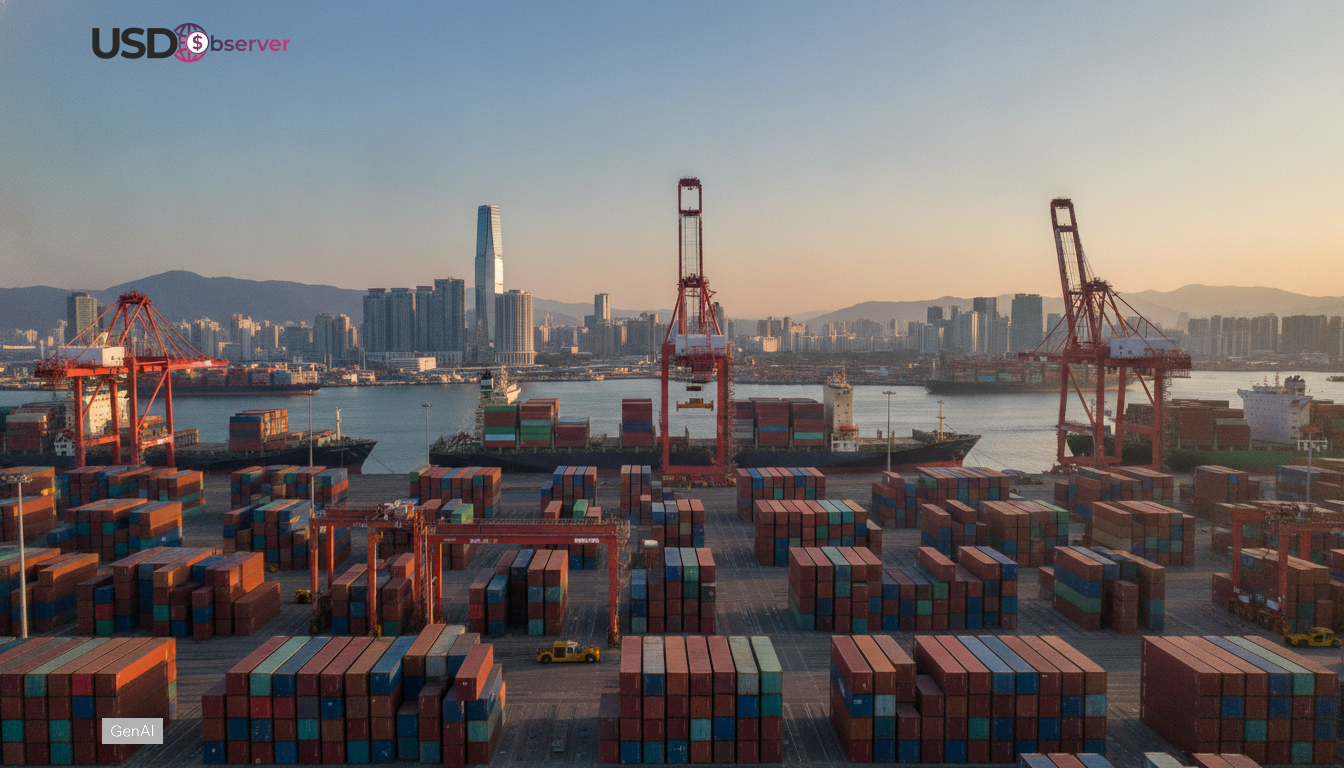
Trade structures also reinforce the dominance of the dollar. Most commodities, including oil and minerals, are priced in dollars, which ensures constant global demand for the currency. Even when countries expand local currency trade agreements, the majority of international contracts still rely on the dollar. This system stabilizes global trade flows but also limits the ability of other currencies to gain significant reserve status. The dollar remains essential for cross border transactions, global supply chains, and financial clearing systems.
Can Alternatives Reduce Dollar Dependence
Several countries are exploring ways to reduce dependence on the dollar in the long term. Regional payment networks, digital settlement tools, and local currency trade agreements are gaining traction. However, these alternatives remain small compared to the scale of the global dollar system. For an alternative to become widely adopted, it must offer deep liquidity, broad trust, stable governance, and transparent financial markets. These conditions take years to develop, meaning dollar dominance remains secure for the foreseeable future.
Conclusion
The global debt cycle continues to reinforce the dominance of the US dollar as countries rely on it for borrowing, trade, and financial stability. Although alternatives are growing, they remain limited in scope compared to the dollar’s influence. Managing debt, strengthening domestic financial systems, and improving economic resilience will be critical for countries navigating the next phase of global economic change.