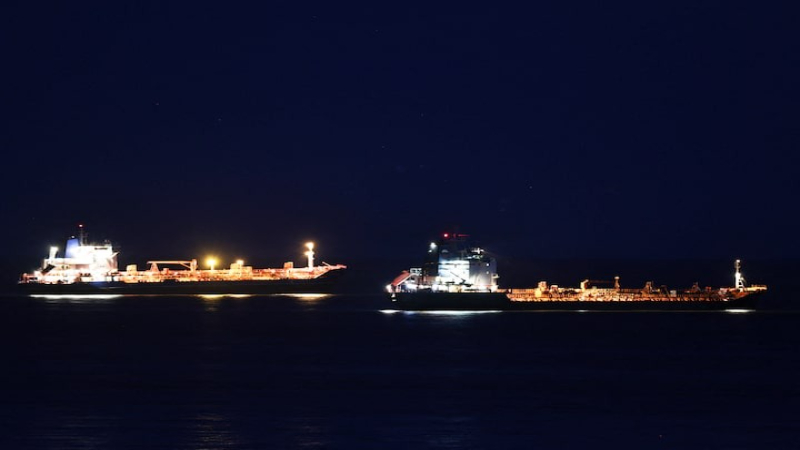
Talks between the Group of Seven countries and the European Union have intensified around replacing the current price cap on Russian oil with a full maritime services ban, a potential shift that would mark the broadest effort yet to restrict Moscow’s revenue from energy exports. The proposal targets Western shipping, insurance and associated logistical services that still support more than one third of Russia’s crude and fuel exports, largely destined for India and China. With much of that trade currently relying on fleets from EU maritime nations including Greece, Cyprus and Malta, the measure would represent a significant escalation compared to previous restrictions. Officials involved in the discussions indicated that the ban could be included in the EU’s next sanctions package in early 2026, provided consensus is reached among member states and aligned G7 partners. The plan aims to limit Russia’s ability to use Western channels while tightening the financial pressure linked to its war in Ukraine.
A full services ban would force Russia to expand its use of the so called shadow fleet, which already carries roughly two thirds of its exported oil outside Western oversight. These ships are often older, operate with opaque ownership structures and lack Western insurance coverage, increasing safety and environmental risks across major shipping lanes. European authorities have expressed concern that growth in this fleet may complicate monitoring efforts and contribute to greater supply chain uncertainty across global maritime routes. Despite this, officials argue that curbing access to Western services remains one of the most effective ways to constrain Russia’s export revenues. The measure has gained backing from British and American officials, though final US support may depend on broader diplomatic considerations tied to ongoing negotiations aimed at managing the conflict. The approach reflects a shift from a pricing mechanism toward a direct services restriction that could create more measurable impacts on export flows and earnings.
The implications of a services ban extend far beyond European political circles and carry meaningful weight for global energy markets and currency dynamics. Russian oil continues to influence global pricing structures, and any disruptions in its trade could contribute to further volatility in crude markets, with knock on effects for inflation and monetary policy expectations across major economies. Higher energy costs often translate into stronger dollar demand as investors seek safe haven assets, particularly when geopolitical tensions rise. At the same time, stricter enforcement mechanisms may alter trade flows by increasing shipping costs and reducing the availability of compliant vessels, potentially tightening supply at a time when central banks are closely watching inflation pressures. The transition away from a price cap model underscores the evolving strategy among Western governments as they seek to balance geopolitical objectives with market stability. While the measure has not yet been finalized, traders are already assessing how the potential shift could influence energy markets, shipping capacity and broader macroeconomic conditions heading into 2026.