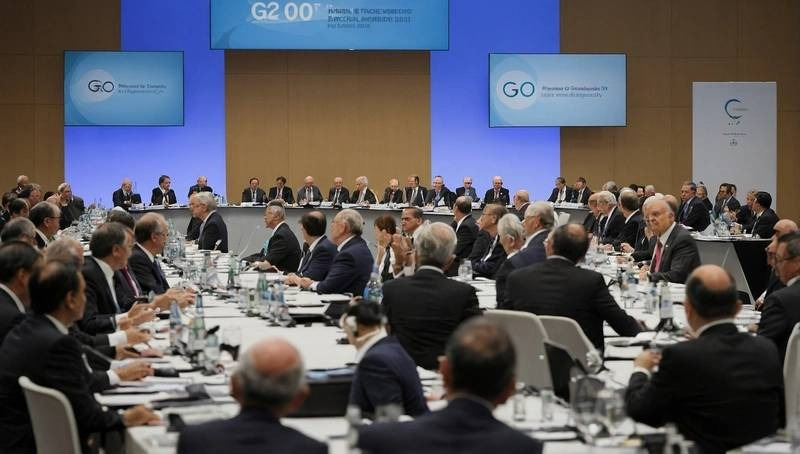
Finance ministers and central bank governors from the Group of Twenty (G20) concluded their recent meeting in Washington, marking a significant pivot in global economic discussions. Unlike previous gatherings that placed heavy emphasis on currency stability and exchange-rate coordination, this meeting centered on the growing threat of global debt, fiscal sustainability, and the reform of international financial institutions. The tone reflected the mounting pressure governments face as borrowing costs rise and liquidity tightens across both advanced and developing economies.
The meeting, held under South Africa’s G20 presidency, ended with a Chair Summary instead of a joint communique, signaling both consensus on key risks and divergence on policy responses. Ministers and central bankers acknowledged that the global economy faces persistent headwinds from sluggish growth and trade disruptions to geopolitical fragmentation. Yet the most pressing issue dominating the agenda was debt sustainability.
Debt Pressures Take Center Stage
Global debt levels have reached historic highs, with many countries carrying debt burdens that now exceed their economic output. The trend is not limited to emerging markets; advanced economies are also facing mounting fiscal pressures as they continue to fund social programs, infrastructure projects, and defense spending. Participants agreed that without stronger fiscal discipline and structural reforms, the buildup of debt could undermine long-term financial stability.
Governments were urged to improve fiscal transparency and strengthen domestic revenue systems to avoid overreliance on borrowing. The growing role of private creditors in sovereign debt markets was also highlighted as a key challenge, as fragmented repayment structures make coordinated debt relief increasingly difficult. Officials discussed the importance of developing sustainable financing mechanisms for climate and development goals, which remain underfunded in the current high-interest-rate environment.
Currency Stability Takes a Back Seat
In contrast to earlier G20 sessions, currency stability did not emerge as a headline theme this time. While members acknowledged the volatility in foreign-exchange markets, they refrained from proposing coordinated intervention or new frameworks for managing exchange-rate fluctuations. The consensus appeared to be that the focus should remain on strengthening domestic fundamentals rather than attempting to engineer global currency outcomes.
For many finance ministries, the priority has shifted to ensuring access to U.S. dollar liquidity and managing debt in the face of tighter global monetary policy. The dollar’s continued strength and high U.S. yields have made borrowing costlier for developing economies, prompting calls for closer collaboration between multilateral lenders and central banks. However, there was broad recognition that the dollar’s dominance would remain a structural feature of the global financial system for the foreseeable future.
Shifting Focus Away from the Singapore Agenda
Expectations that the meeting would center on currency coordination or new liquidity tools proved unfounded. Instead of convening in Singapore as earlier rumored, the G20 gathered in Washington and realigned its agenda toward macroeconomic resilience, debt sustainability, and institutional reform. This shift underscores the recognition that addressing fiscal challenges is now a higher priority than debating the mechanics of exchange-rate regimes.
Delegates also noted that geopolitical tensions, energy security concerns, and slowing trade growth continue to weigh on the global outlook. Many economies are navigating a difficult mix of high inflation and weak output, leaving little room for fiscal expansion or policy missteps.
Market and Policy Implications
Financial markets responded calmly to the outcome of the meeting, with investors interpreting the lack of new currency initiatives as a signal of stability rather than discord. Bond yields in debt-heavy economies edged higher as discussions of fiscal consolidation gained traction. Meanwhile, central banks are expected to maintain cautious monetary stances to preserve financial stability and contain inflation risks.
For emerging markets, the discussions reaffirmed the importance of prudent fiscal management and diversification of funding sources. Access to concessional financing, transparent debt reporting, and stronger domestic capital markets were among the solutions discussed to mitigate vulnerability to external shocks.
Conclusion
The latest G20 meeting reflected a shifting global reality: debt sustainability, fiscal management, and institutional reform now overshadow the once-dominant issue of currency coordination. With borrowing costs elevated and global liquidity tightening, finance leaders are prioritizing long-term financial health over short-term currency interventions. While exchange-rate volatility remains a concern, the true challenge for policymakers lies in balancing fiscal responsibility with the need to sustain growth in an uncertain global economy.