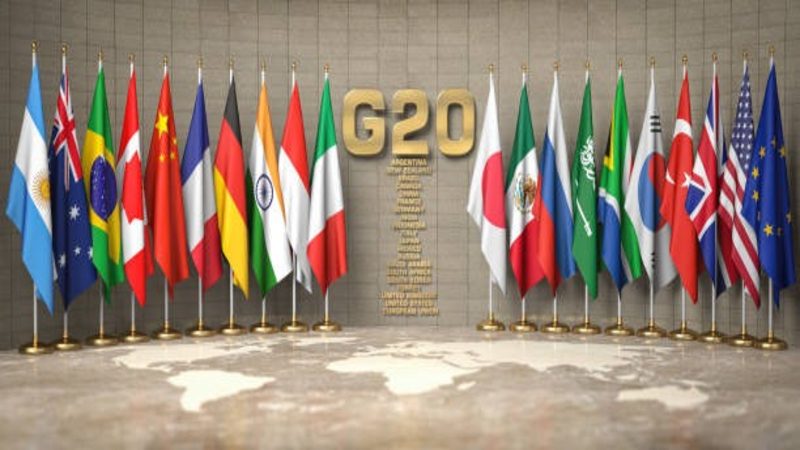
Global leaders and policymakers are deepening their focus on financial transparency as the G20 and IMF roll out the third phase of the Data Gaps Initiative, known as DGI-3. The program aims to improve how countries collect and share key economic data, ensuring faster responses to market shocks and more reliable indicators for policymakers.
The DGI-3 framework builds on lessons from the global financial crisis and the pandemic, both of which exposed serious blind spots in international economic data. The initiative calls for enhanced tracking of financial risks, cross-border flows, and household balance sheets, which together form the foundation of economic stability. Clearer, comparable data allows institutions to identify vulnerabilities early and take timely action.
Under the DGI-3 roadmap, countries are encouraged to modernize their national statistics systems using digital tools and real-time analytics. The goal is to close long-standing gaps in data on sectors like non-bank finance, debt structures, and climate-related risks. These upgrades are designed to help policymakers better understand how capital moves between economies and how external shocks, such as changes in U.S. monetary policy, ripple across global markets.
Officials emphasized that greater data transparency supports global economic coordination and trust among investors. When information about financial positions and debt exposure is consistent across borders, the risks of misjudged policy or unexpected market volatility decrease. This level of insight is particularly vital as central banks adjust policy to manage inflation and growth in an interconnected world.
The initiative also stresses that improved data is critical for maintaining the credibility of global indicators like GDP, reserves, and trade flows. Reliable figures help governments assess their own economic resilience and make better fiscal and monetary decisions. Inaccurate or delayed statistics can distort market expectations and weaken investor confidence, leading to unnecessary volatility in currency and bond markets.
Through DGI-3, G20 members and the IMF are developing practical tools for data sharing and cross-country comparability. These efforts include integrating private-sector data and expanding cooperation between financial regulators and statistical agencies. As financial systems evolve with digital assets and tokenized markets, such collaboration ensures data remains both relevant and robust.
Policymakers agree that closing data gaps is not just a technical task but a strategic investment in global financial stability. Transparent, timely information empowers governments to make informed policy choices, reduces uncertainty for investors, and strengthens confidence in the global economic system. The DGI-3 initiative marks a major step forward in building a more transparent and resilient international financial landscape.