Analyzing the Current Price Trends
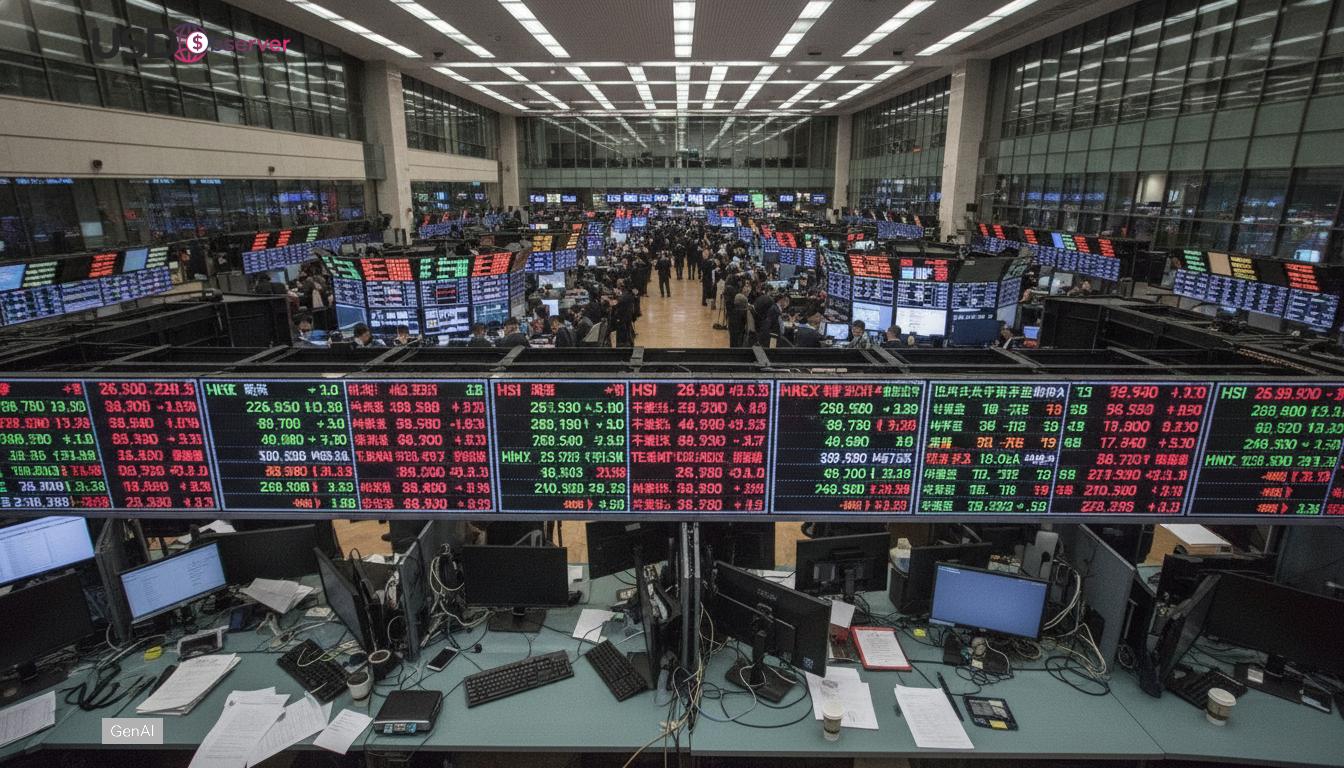
Tight physical markets and fragile logistics are keeping fuel prices and food costs elevated, extending the global economic impact far beyond a single quarter. Today, spot benchmarks for diesel, gasoline, and key grains are reacting more to shipping risk and inventory levels than to headline demand forecasts, a pattern visible in Live pricing feeds used by refiners and importers. An Update from major brokers has shown wider day to day swings, with regional dislocations driving the sharpest moves, especially where storage is constrained or port turnarounds slow. Traders have shifted toward shorter hedging windows, while consumers face faster pass through at the pump and in staple aisles. That combination is raising inflation sensitivity and compressing real incomes in both advanced and emerging economies.
Factors Driving Cost Increases
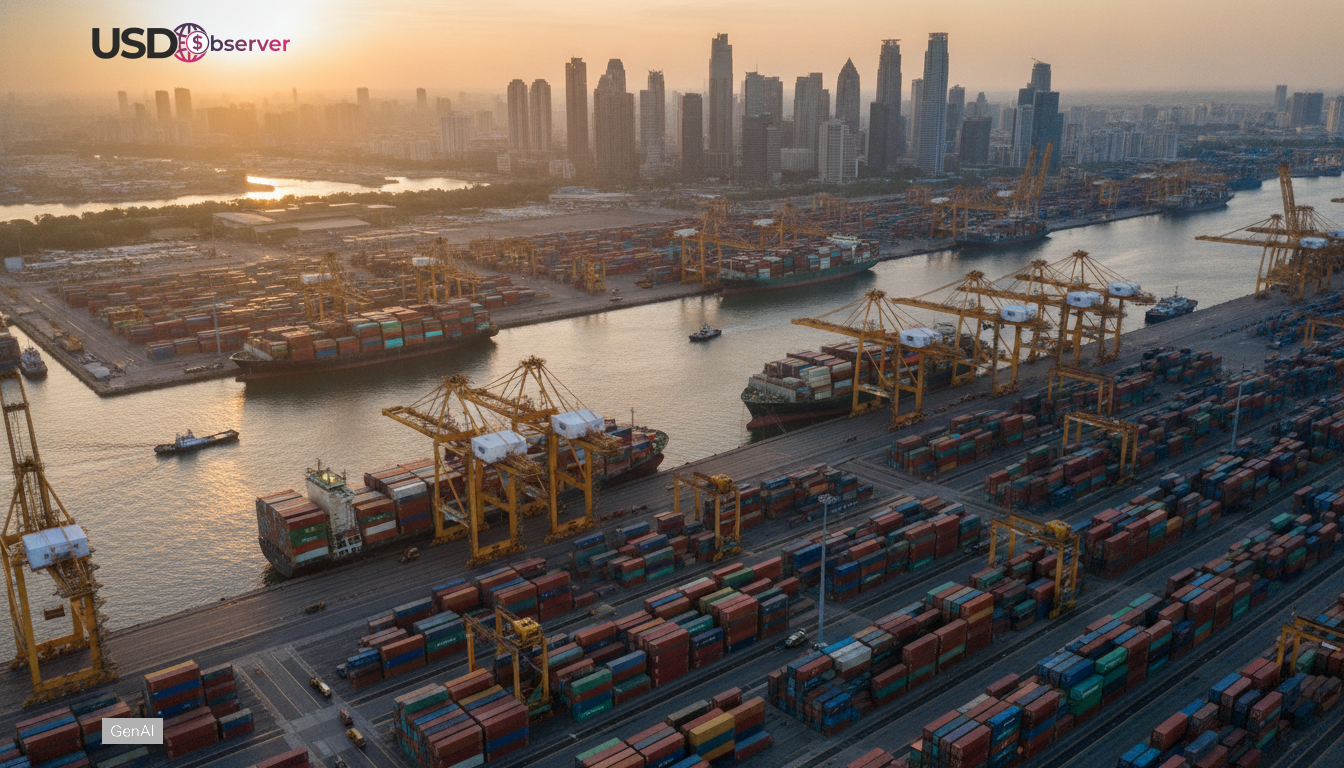
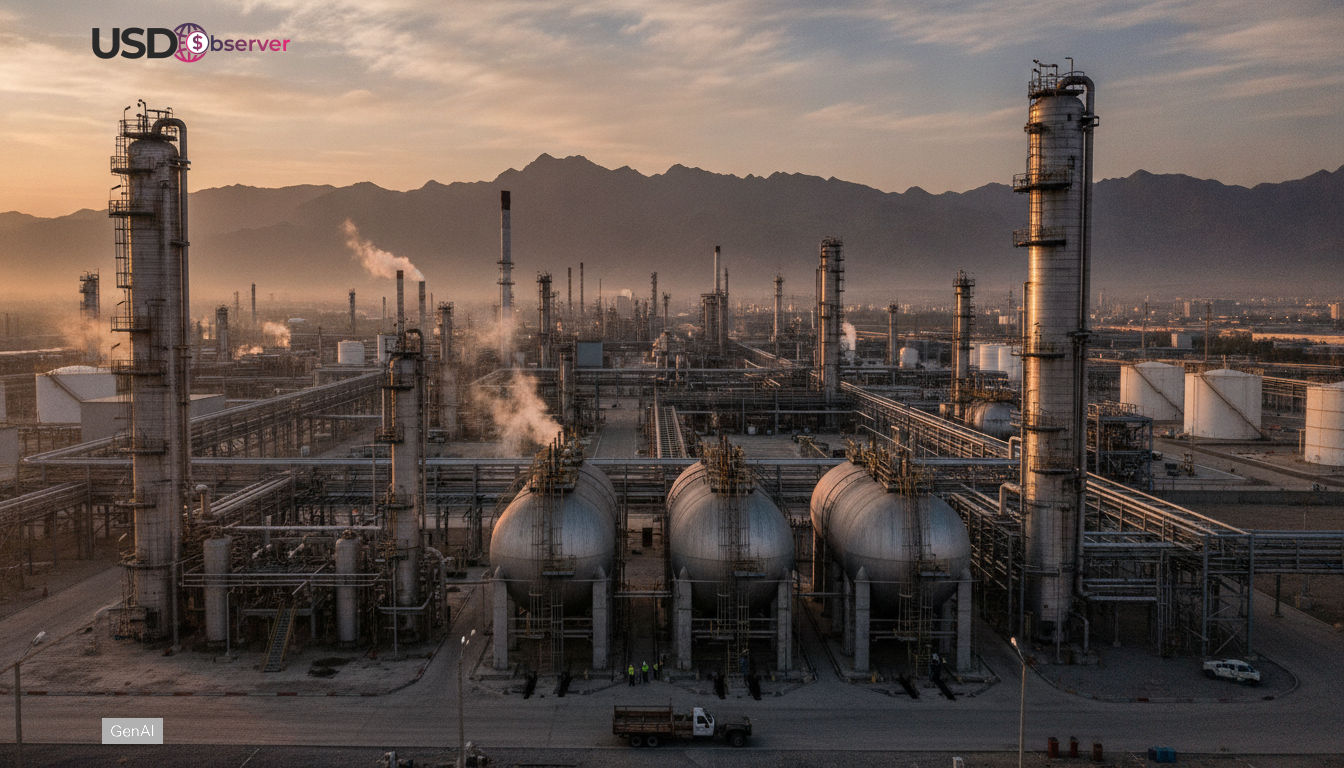
Pricing stress is being reinforced by overlapping constraints that do not unwind quickly: refinery outages and crude quality mismatches, rerouted freight, and higher insurance and financing costs for cargoes. Market attention has also locked on chokepoints, where any disruption amplifies freight and time costs, a theme covered in reporting on Strait of Hormuz shipping toll proposals because it underscores how quickly policy risk can be priced into energy flows. Today, that uncertainty is visible in Live forward curves, with near month premiums signaling caution. Another Update from logistics data providers points to slower container availability for refrigerated goods, worsening losses in perishables and lifting replacement costs for import dependent retailers.
Economic Impact Across Sectors
The economic damage is arriving unevenly, and the transmission channel differs by sector. Airlines and trucking companies feel fuel prices immediately, but grocery chains and food processors absorb shocks through packaging, fertilizer, and transport inputs that compound over weeks. Manufacturers with thin margins face a double hit as energy surcharges raise unit costs while consumers trade down, and the global economic impact shows up in currency markets where importers bid for USD to pay for fuel and grains. In Live market conditions, this often widens the spread between commodity linked currencies and those tied to net energy imports. For a sector view on energy driven moves, see coverage of oil price reactions to ceasefire signals, which illustrates how quickly costs can reset, then rebound.
Policy Responses and Challenges
Governments are responding with a mix of tax tweaks, targeted subsidies, and emergency stock releases, but the design problem is preventing relief from stimulating more demand. Central banks are caught between second round inflation effects and weakening growth, and that tension is feeding volatility in rates, forex, and risk assets. Policy makers are watching expectations closely because repeated price spikes can entrench wage bargaining pressures, deepening economic damage even after physical supply improves. In Live briefings, officials have emphasized that broad fuel tax holidays tend to leak to higher consumption and may delay adjustment. A recent Update from analysts has also stressed that food support programs must be narrowly targeted to avoid ballooning fiscal deficits that can weaken currencies and raise import bills. For macro risk context, this note on conflict linked commodity risk shows how quickly supply fears spill into broader industrial pricing.
Predictions and Future Outlook
Most credible forecasts indicate normalization can take months because the bottlenecks are operational rather than purely financial. Refinery maintenance cycles, shipping reinsurance, and inventory rebuilding require sustained calm, and food costs typically lag because planting decisions and fertilizer availability lock in seasons of higher input prices. Today, the base case in many bank models is for gradual easing, not a sharp drop, with the global economic impact fading only as supply lines regain predictability. Live indicators to watch include diesel cracks, freight indices, and port dwell times, which signal whether distribution is improving. An Update from major newswires including Reuters and Bloomberg has highlighted how quickly renewed tension can reverse gains, keeping risk premia embedded. Consumers and businesses should expect uneven relief, with some categories cooling first while staples remain sticky longer.