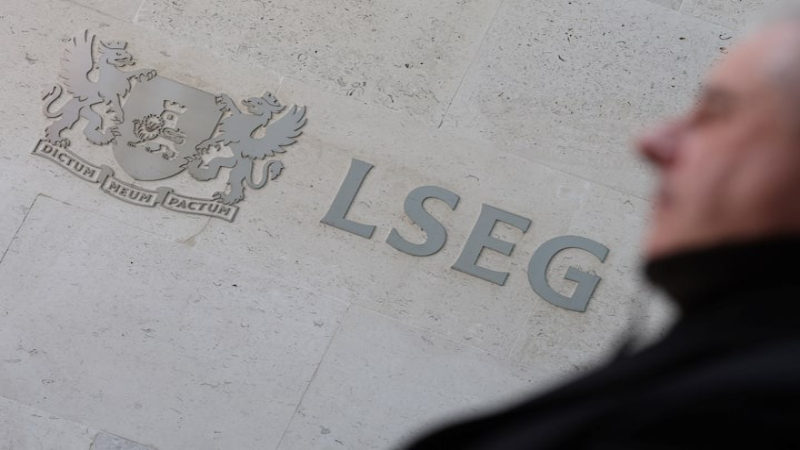
British equities entered 2026 on a stronger footing as the FTSE 100 crossed the 10,000 mark for the first time, a milestone that reflects both a powerful rally in global markets and a shift in how investors are viewing UK assets. The index’s move follows a near 22 percent gain in 2025, its strongest annual performance since the financial crisis era, and comes after years of underperformance relative to peers. The advance has been driven less by speculative growth themes and more by exposure to globally oriented sectors that benefited from easing financial conditions and resilient earnings. For international investors, the level itself is largely symbolic, but the timing matters. Entering a new year at record highs has helped reset sentiment around UK equities, positioning them as beneficiaries of broader portfolio rebalancing rather than structural laggards.
The composition of the rally highlights why the FTSE has found renewed favor. Mining companies were among the strongest contributors as precious metal prices surged to record levels, lifting cash flows and balance sheets. Defence firms also outperformed as European governments increased long term military spending, while banks benefited from a prolonged period of elevated interest rates combined with relatively stable economic growth. Unlike US or Asian benchmarks, the FTSE has limited exposure to high valuation technology and artificial intelligence stocks, which insulated it from concerns about crowded positioning late last year. This sector mix has made UK equities attractive to investors seeking diversification away from momentum driven trades, particularly as questions persist over the sustainability of global tech valuations in a slowing growth environment.
Despite the upbeat headline, challenges remain beneath the surface. London markets continue to grapple with weak initial public offering activity and a steady flow of companies choosing to delist or move primary listings elsewhere. Political uncertainty, post Brexit adjustment costs, and episodes of bond market volatility have weighed on domestic sentiment, especially among mid cap stocks more closely tied to the UK economy. Still, rising share prices and improved global risk appetite are prompting cautious optimism that capital flows could stabilize. The FTSE 100’s international revenue exposure has helped it outperform domestic benchmarks, reinforcing its role as a global equity proxy rather than a pure UK growth play. For investors, the move above 10,000 signals not a turning point for the economy, but a reassessment of valuation, income stability, and diversification in global portfolios.