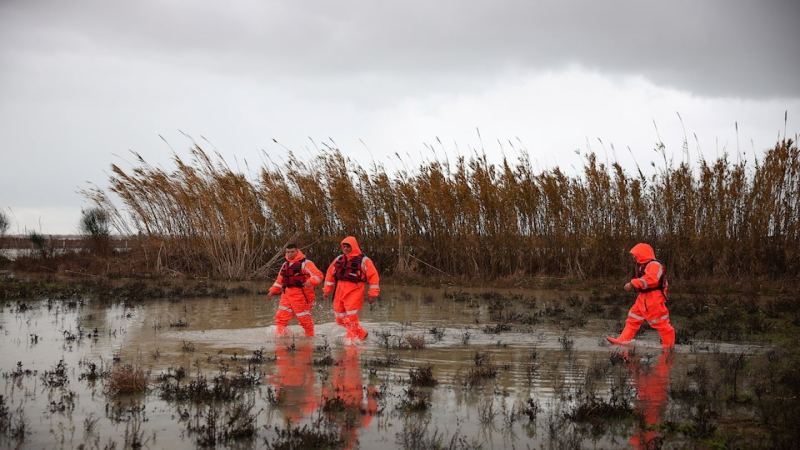
Severe winter weather swept across the western Balkans, leaving at least one person dead in Albania and forcing emergency evacuations as heavy rain and snow caused widespread flooding and disruption. Authorities in Albania said a man was found drowned in the coastal city of Durres after days of intense rainfall overwhelmed drainage systems and rivers. Emergency crews worked through the night to evacuate residents from flooded homes, particularly in low lying areas of the southwest, where rising water levels cut off villages and damaged infrastructure. The flooding underscored the vulnerability of parts of the region to extreme weather, as emergency services struggled to keep pace with rapidly deteriorating conditions.
In Albania, the Vjosa River surged well above normal levels, inundating nearby communities and forcing the use of boats to rescue residents trapped in their homes. Hundreds of people were moved to temporary shelters as authorities attempted to pump water away from residential areas and public buildings. Officials said around 800 homes and structures were affected, adding pressure to local services already stretched by prolonged bad weather. The death of a municipal worker who had gone missing earlier in the week highlighted the risks faced by those working to maintain essential services during the crisis. Roads, power supplies, and drinking water systems were disrupted in several areas, compounding the impact on daily life.
The storm system extended beyond Albania, affecting much of the western Balkans. In Kosovo, heavy rain that flooded large tracts of land earlier in the week turned to snow, complicating cleanup efforts and transport. Bosnia also saw snowfall, with residents reporting difficulties navigating uncleared streets, particularly in urban centers. Rail and road closures were reported across the region, while power outages added to the strain on households and businesses. The combination of flooding and snowfall created a complex emergency, as authorities had to manage both excess water and freezing conditions simultaneously.
Further north, temperatures plunged as a cold wave tightened its grip. Croatia recorded sharply subzero temperatures, with forecasts pointing to an even colder spell in the coming days. Meteorologists warned that falling temperatures could worsen conditions in flood hit areas by freezing standing water and damaged infrastructure. The extreme weather has renewed concerns about preparedness and resilience across the Balkans, where climate volatility is increasingly producing rapid swings between heavy rainfall and severe cold. As emergency responses continue, authorities remain on alert for further disruptions as the storm system evolves.