Introduction
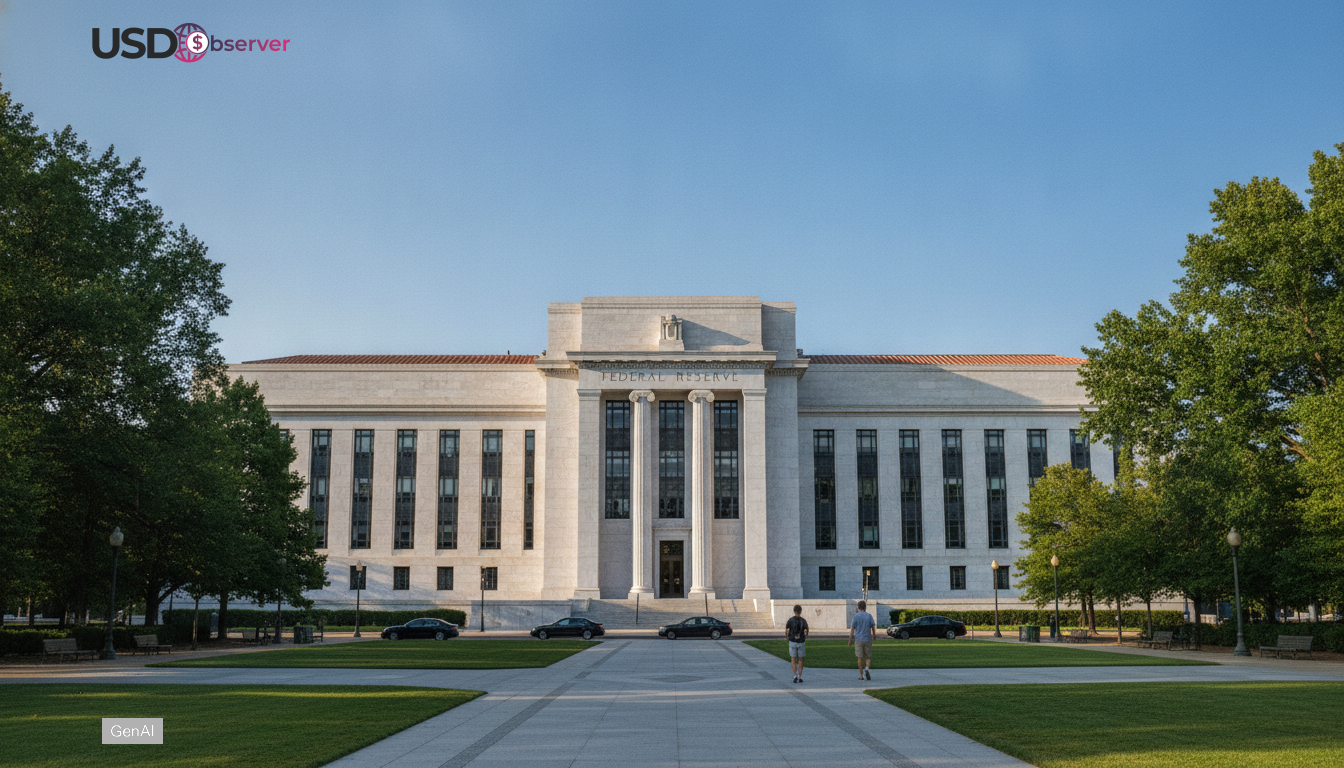
The U.S. Federal Reserve’s recent meeting minutes have reaffirmed its commitment to controlling inflation as the foremost objective of its monetary policy. While the labor market shows signs of gradual cooling, the central bank remains focused on ensuring that price levels do not spiral out of control. This approach reflects a deliberate balancing act, aligning the Fed’s dual mandate of promoting maximum employment while maintaining long-term price stability. Policymakers emphasized that maintaining inflation near the 2 percent target is essential for sustaining economic confidence, supporting investment, and protecting consumer purchasing power. By prioritizing inflation control, the Fed signals its intention to avoid scenarios where prices rise uncontrollably, which could undermine economic growth and financial stability over the medium term.
The minutes underscore the careful deliberation undertaken by the Federal Open Market Committee in assessing economic indicators and trends. Inflation continues to be shaped by a combination of rising services costs, housing expenses, and lingering supply chain disruptions, which together exert persistent upward pressure on consumer prices. This cautious stance indicates that the Fed is not yet convinced that inflationary pressures have been fully addressed and remains prepared to adjust interest rates as necessary to prevent further escalation. Investors, businesses, and consumers are closely observing these developments, understanding that the central bank’s policy decisions will directly influence borrowing costs, investment strategies, and household budgets.
Persistent Inflationary Pressures
Even as certain economic indicators suggest a modest slowdown, inflation remains above the Federal Reserve’s long-term target. Core inflation, which excludes food and energy prices, continues to be elevated due to persistent wage growth, rising housing costs, and higher prices for services. These sustained inflationary pressures indicate that price stability remains a central concern for the Fed, as temporary measures may not be sufficient to contain longer-term expectations of rising costs. By maintaining a vigilant stance, the Fed seeks to prevent the emergence of entrenched inflation that could adversely affect the broader economy and disrupt financial planning for businesses and households alike.
The elevated inflation affects a wide range of sectors, from retail and manufacturing to housing and transportation. Businesses face higher input costs and wage demands, which are often passed on to consumers through increased prices. Consumers, in turn, experience a reduction in real purchasing power, which can dampen household spending and confidence. The Fed’s ongoing focus on inflation control demonstrates a proactive approach designed to maintain long-term economic stability. By carefully adjusting monetary policy and monitoring core inflation indicators, the Fed aims to create an environment conducive to steady economic growth while mitigating risks associated with excessive price increases.
Labor Market Dynamics
While inflation remains the central concern, the Federal Reserve continues to closely monitor labor market conditions to ensure that employment levels remain supportive of economic growth. Recent data indicate a slight increase in unemployment and a moderation in job openings, suggesting that the labor market is slowly easing from previously tight conditions. Policymakers are evaluating these trends carefully, recognizing that premature or aggressive rate cuts could risk reigniting inflation, whereas overly cautious policies could slow employment growth and hinder economic recovery.
The Fed’s approach reflects the challenge of achieving a delicate balance between fostering employment and maintaining price stability. Wage trends, labor force participation, and job market dynamics are analyzed to determine the appropriate course of monetary policy. The committee seeks to ensure that the labor market remains resilient while avoiding conditions that could reignite inflationary pressures. Maintaining stable employment alongside controlled inflation allows the economy to grow sustainably, providing confidence for investors, businesses, and consumers alike. This nuanced approach underscores the Fed’s commitment to long-term economic health rather than short-term gains.
Divergent Views Within the Fed
The meeting minutes also reveal a spectrum of opinions among Federal Reserve policymakers regarding the pace and magnitude of interest rate adjustments. Some members argue for more aggressive rate cuts to support employment and economic activity, citing potential benefits for sectors experiencing slower growth. Conversely, other officials emphasize that the current policy stance is appropriate, warning that premature easing could compromise inflation control and destabilize long-term financial conditions.
These divergent views illustrate the complexity of economic policy formulation, where multiple perspectives must be integrated to achieve an optimal balance. Policymakers weigh both current economic indicators and forward-looking projections to guide decisions. The discussions within the Fed reflect the importance of thorough analysis and deliberation, ensuring that any adjustments to monetary policy are grounded in data and aligned with long-term economic objectives. By maintaining this careful deliberation, the Fed communicates credibility to the markets and reinforces confidence in its ability to manage the economy prudently.
Economic Uncertainty and Data Limitations
The Federal Reserve faces additional challenges in formulating policy due to incomplete economic data and ongoing uncertainties. Delays in key releases, such as inflation metrics, employment reports, and economic activity figures, complicate the decision-making process. In addition, external factors, including fiscal policy developments, global market volatility, and geopolitical tensions, introduce further unpredictability into the economic outlook. Policymakers must navigate these uncertainties while ensuring that monetary policy remains effective in achieving both price stability and sustainable economic growth.
To mitigate the risks posed by uncertainty, the Fed emphasizes transparency and communication with financial markets. Clear guidance regarding potential policy adjustments helps prevent market overreactions and allows businesses and households to make informed decisions. By combining data-driven analysis with measured communication strategies, the Fed maintains confidence in its policy direction while remaining flexible to respond to emerging trends. This careful balancing act highlights the central bank’s role in ensuring macroeconomic stability even in periods of heightened uncertainty.
Conclusion
The Federal Reserve’s recent meeting minutes underscore the central importance of inflation control within the broader framework of U.S. monetary policy. Policymakers continue to navigate a complex economic landscape characterized by persistent inflation, evolving labor market dynamics, divergent views within the Fed, and ongoing uncertainties. By prioritizing price stability while monitoring employment trends, the Fed seeks to create an environment conducive to sustainable economic growth and long-term financial stability. Investors, businesses, and consumers can expect that the Fed’s decisions will remain guided by careful analysis and a commitment to maintaining credibility, ensuring that inflation remains firmly in check as the economy progresses. The emphasis on measured, data-driven policy demonstrates the Fed’s dedication to maintaining balance in an increasingly complex global economic environment.