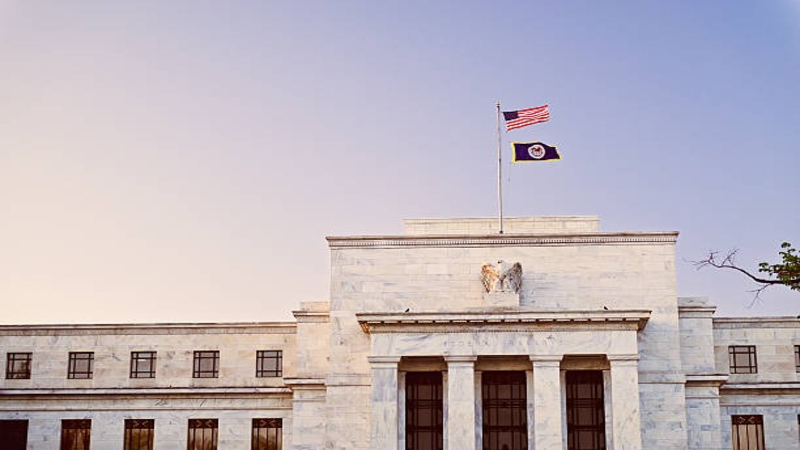
The Federal Reserve’s latest meeting minutes confirm what markets had been hinting at for weeks: U.S. monetary policy is likely to stay tight for longer than expected. While inflation continues to cool gradually, officials agreed that it remains above the desired target and that any premature easing could risk reversing progress. This message is reinforcing expectations that interest rates will remain restrictive well into 2025.
The tone of the discussion underscores the Fed’s priority of preserving credibility in its inflation fight. Policymakers expressed confidence that the current rate levels are dampening excess demand but noted that it may take more time for the effects to fully filter through the economy. For traders and businesses, this means a higher-for-longer environment that continues to shape borrowing, spending, and investment decisions.
The market reaction was swift but measured. Bond yields firmed slightly, equity markets turned cautious, and the dollar strengthened across major pairs. The Fed’s stance suggests that monetary conditions will remain tighter than investors had anticipated, reinforcing a steady bias toward dollar assets.
Policy Tone Reflects Patience and Prudence
The minutes reveal a central bank that is neither complacent nor overly aggressive. Officials emphasized that inflation remains persistent in several sectors, especially services and housing, and that a cautious approach is warranted. The prevailing sentiment was to avoid making assumptions about near-term rate cuts until there is consistent evidence of price stability.
Several members also noted that recent economic data remains mixed. While wage growth has eased, the labor market remains resilient, and consumer spending continues to support overall activity. This balance between steady demand and slowing price pressures makes it difficult for the Fed to justify any swift policy reversal.
The tone of the minutes highlights a key principle: restraint now could prevent more aggressive action later. The Fed prefers to see clear evidence that inflation is sustainably trending toward its target before adjusting policy.
Interest Rate Trajectory and Market Implications
The committee acknowledged that the current federal funds rate is likely at or near its peak but signaled that cuts will not come quickly. Market expectations for early 2025 rate reductions have been tempered, with the first move now seen as likely in the second half of the year. Officials stressed that they will base decisions on incoming data rather than predetermined schedules.
This longer timeline has important implications for households and businesses. Higher interest costs are expected to keep mortgage and loan rates elevated, moderating consumer demand and cooling sectors like housing and manufacturing. Corporate financing conditions are tightening as well, forcing firms to become more selective with capital allocation and debt issuance.
Financial markets are adjusting to this reality. Equity valuations have stabilized after an initial drop, while bond yields remain elevated but orderly. The dollar’s renewed strength reflects both confidence in U.S. policy discipline and a global flight toward yield and safety.
Dollar Strength and Global Repercussions
A prolonged period of restrictive policy is giving the dollar renewed momentum. The Fed’s steady hand reinforces the U.S. currency’s appeal as both a yield play and a haven. This strength, however, is creating ripple effects across global markets.
For emerging economies, a stronger dollar raises the cost of servicing external debt and pressures local currencies. Central banks in developing regions may be forced to maintain higher rates to stabilize exchange rates, even if domestic inflation is easing. For global investors, the Fed’s stance is prompting portfolio realignments toward U.S. fixed income and cash equivalents.
Meanwhile, commodity markets are feeling the pinch. A firm dollar typically weighs on oil and gold prices, as both become more expensive in other currencies. The result is a delicate balance lower commodity prices can ease inflation globally but may squeeze producers and export-dependent economies.
Economic Outlook and Policy Balancing
The Fed’s longer-term goal remains clear: maintain tight conditions until inflation expectations are firmly anchored. Officials noted that while risks to growth are increasing, they view stable inflation as the prerequisite for sustainable expansion. This patience suggests that the central bank is willing to accept slower growth if it means avoiding a repeat of past inflationary surges.
Economic projections now imply moderate growth through 2025, supported by strong household balance sheets and stable job creation. However, sectors such as housing and durable goods may continue to face pressure from higher financing costs. The challenge for the Fed is ensuring that restrictive policy does not tip the economy into a sharp slowdown while still delivering price stability.
Markets are now watching for clues from future data, particularly inflation, wage growth, and credit conditions, to gauge how long this policy stance will persist. For now, officials appear content to keep rates elevated until they are confident inflation will not rebound.
Conclusion
The November minutes reinforce that the Federal Reserve is committed to patience and discipline in its approach to inflation control. While the economy shows resilience, policymakers are not ready to declare victory or pivot toward easing. The strategy remains data-driven and cautious to ensure that the disinflation trend is both genuine and lasting.
For the global economy, this means tighter liquidity and a stronger dollar for longer. The Fed’s position continues to shape global capital flows, market sentiment, and borrowing costs, all underlining the U.S. dollar’s enduring strength in a world still adjusting to higher rates and persistent inflation.