Introduction
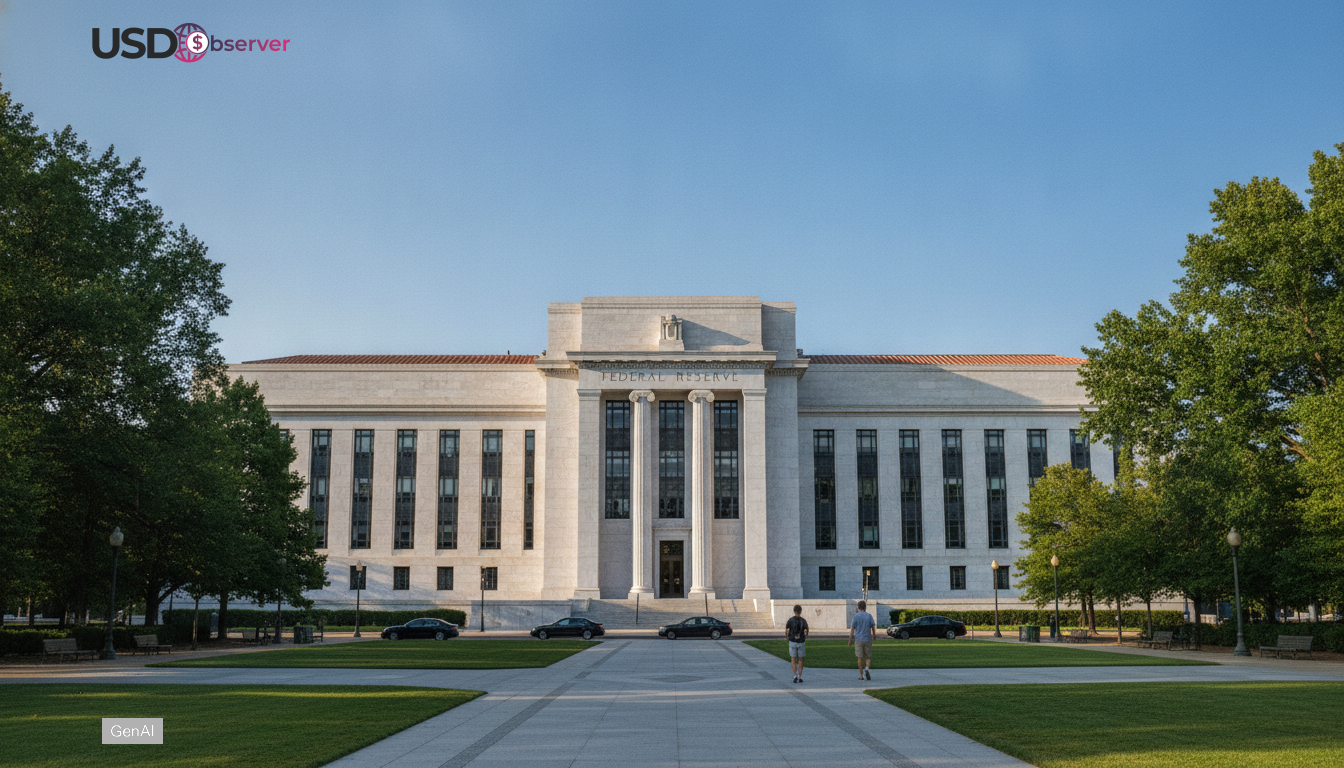
The Federal Reserve has indicated that it may reduce interest rates in response to recent signs of slowing growth in the labor market. This potential policy adjustment is intended to support economic activity and maintain momentum in the recovery following pandemic-related disruptions. Investors, businesses, and policymakers are closely monitoring these signals as they assess the implications for borrowing costs, consumer spending, and investment decisions. The labor market remains a key determinant of monetary policy, and any slowdown could influence the Fed’s approach to sustaining economic stability.
A weaker labor market can affect economic performance through reduced consumer confidence and spending. When employment growth slows, households may delay large purchases or reduce discretionary expenditures, leading to slower growth in domestic demand. By considering a rate cut, the Fed aims to stimulate borrowing and investment, counteracting these potential headwinds. Understanding the mechanisms through which labor market trends influence monetary policy is essential for interpreting the potential effects on the U.S. economy and global financial markets.
Labor Market Trends and Economic Implications
Recent labor market indicators suggest that job growth has begun to moderate after a period of robust expansion. The pace of new hiring across key sectors, including manufacturing, services, and technology, shows signs of deceleration. While unemployment rates remain relatively low, the slowdown in employment creation could signal emerging challenges in maintaining economic momentum. Policymakers closely monitor these trends to determine the appropriate timing and scale of monetary interventions.
Slower employment growth can have ripple effects across the broader economy. Reduced hiring affects consumer income, which in turn influences spending patterns and overall demand for goods and services. This decrease in demand can impact corporate revenues, potentially slowing investment and capital expenditure. By addressing these conditions with a potential rate cut, the Fed seeks to mitigate the economic consequences of a softer labor market and maintain stability in both domestic and international financial systems.
Federal Reserve Policy Mechanisms
The Federal Reserve uses several tools to influence economic activity, with the federal funds rate being one of the most prominent. Adjusting interest rates directly affects borrowing costs for households and businesses, thereby influencing consumption, investment, and overall economic growth. In the context of a slowing labor market, a reduction in rates can encourage borrowing and spending, providing a stimulus to the economy.
In addition to interest rate adjustments, the Fed can implement measures such as asset purchases or forward guidance to shape market expectations. These tools help ensure that monetary policy signals reach financial institutions and investors effectively. By using these mechanisms, the Fed can respond to labor market slowdowns without waiting for more pronounced declines in economic activity, thus maintaining confidence in its ability to support growth.
Investor and Market Reactions
Financial markets closely watch Fed announcements and statements, as changes in monetary policy influence asset prices, interest rates, and currency valuations. A potential rate cut is likely to increase market liquidity and support equity markets by lowering the cost of capital for businesses. Investors may respond by reallocating portfolios, balancing between riskier assets and traditional safe-haven investments.
The bond market, in particular, can be highly sensitive to changes in rate expectations. Lower interest rates typically lead to higher bond prices and reduced yields, affecting both institutional and retail investors. Currency markets may also react, with a weaker dollar potentially boosting export competitiveness but influencing global capital flows. These dynamics illustrate the interconnectedness of monetary policy, labor market trends, and market expectations.
Potential Impacts on Consumer Behavior
A rate cut by the Federal Reserve can directly influence consumer borrowing and spending patterns. Lower interest rates reduce the cost of mortgages, auto loans, and personal credit, making it more attractive for households to finance purchases. This increase in consumer spending can offset the effects of slower employment growth and help sustain economic activity.
Additionally, consumer confidence is influenced by perceptions of economic stability and policy effectiveness. When the Fed signals proactive measures to support growth, households are more likely to maintain or increase spending. This psychological effect complements the direct impact of lower borrowing costs, amplifying the overall stimulus provided by a potential rate cut.
Global Economic Considerations
U.S. monetary policy decisions have implications beyond domestic borders, affecting international trade, investment, and capital flows. A rate cut can influence global interest rate differentials, prompting adjustments in currency valuations and investment allocations. Emerging markets, in particular, may experience capital inflows or outflows depending on the attractiveness of U.S. assets relative to local opportunities.
Global investors also monitor U.S. labor market conditions as an indicator of economic health and potential monetary policy shifts. Slowing job growth can signal changes in the Fed’s approach, affecting global risk sentiment. By managing domestic economic conditions effectively, the Federal Reserve indirectly supports stability in international markets and reduces the risk of abrupt adjustments in capital movements.
Conclusion
The Federal Reserve’s consideration of a potential rate cut amid signs of a slowing labor market highlights the central role of employment trends in shaping monetary policy. By adjusting interest rates, the Fed aims to support economic activity, maintain consumer confidence, and mitigate the potential effects of slower job growth. The interconnected nature of labor market performance, monetary policy, and financial markets underscores the importance of careful analysis in anticipating the impacts of policy shifts.
As businesses, investors, and households respond to these developments, the effectiveness of Fed interventions will influence both domestic economic performance and global financial stability. Understanding the mechanisms through which labor market trends affect monetary policy provides valuable insights into the likely outcomes of any rate adjustment. Monitoring these factors allows stakeholders to make informed decisions and adapt strategies to navigate evolving economic conditions.