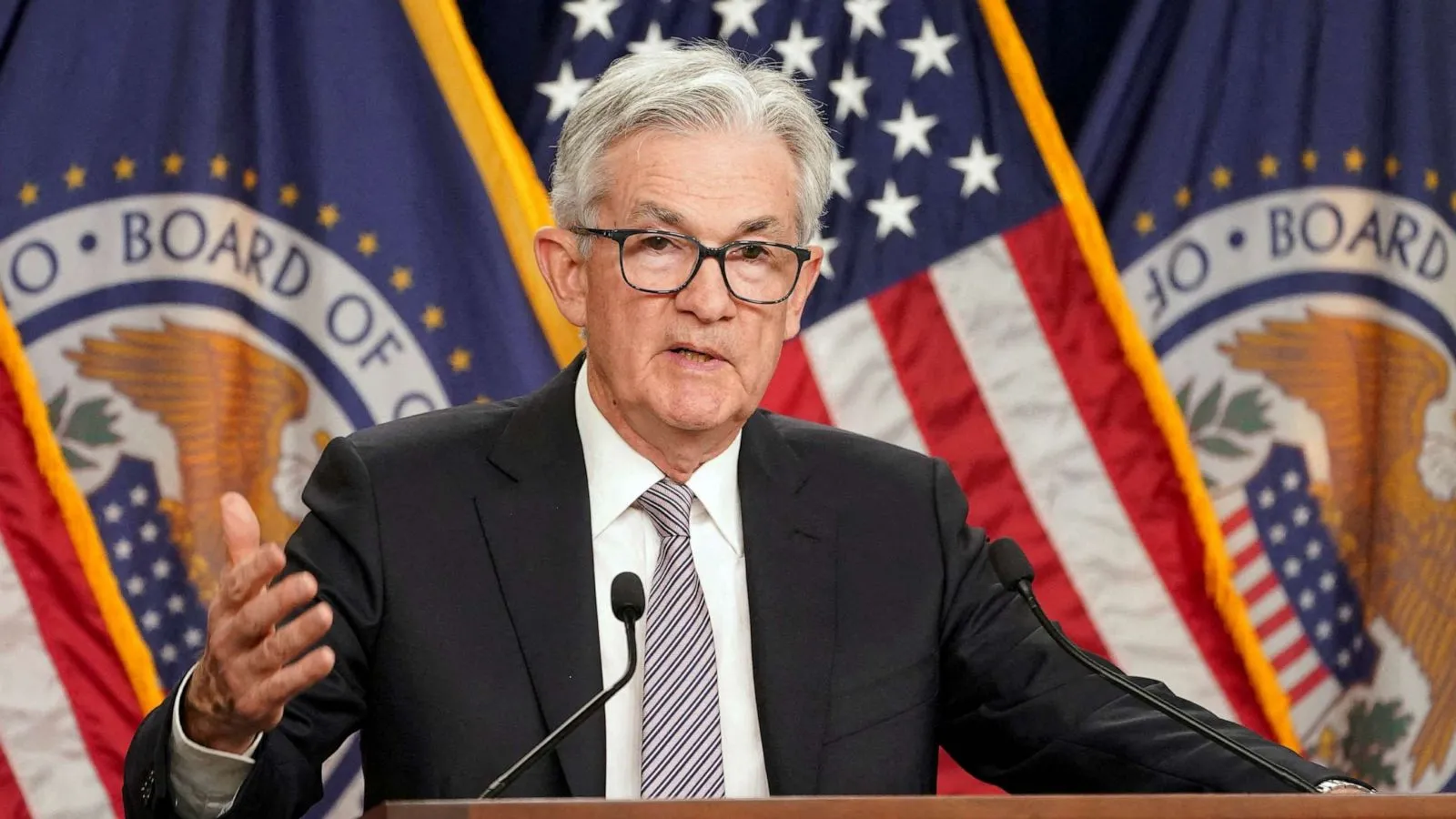
The Federal Reserve has signaled an “extended pause” in its rate-hiking cycle, confirming market expectations that the central bank will maintain its current policy stance well into 2026. After one of the most aggressive tightening campaigns in four decades, policymakers are opting for patience, balancing the need to sustain disinflation with the risk of stalling growth. The decision reflects confidence in the trajectory of falling inflation but also caution about underlying fragilities in labor markets, credit conditions, and global demand.
The announcement has rippled through financial markets. Treasury yields have eased slightly, equities have rallied, and the dollar remains firm against a basket of global currencies. For investors, the message is clear: the era of rapid rate adjustments has ended, but a shift toward easing remains conditional on continued economic moderation. The Federal Reserve’s next challenge is to hold steady long enough to secure price stability without triggering a downturn in the world’s largest economy.
Economic Data Supports a Pause
The Fed’s decision is grounded in a consistent slowdown across key inflation indicators. Core personal consumption expenditures (PCE), the central bank’s preferred gauge, has fallen steadily toward the 2 percent target, while wage growth has cooled without significant job losses. Labor markets remain resilient but less overheated, suggesting that monetary policy is effectively restraining excess demand without undermining employment.
Consumer spending, while still positive, has moderated as credit costs rise and pandemic-era savings dwindle. Retail activity and durable goods orders show signs of fatigue, reinforcing the case for a policy plateau. The housing sector, heavily influenced by mortgage rate volatility, has stabilized at lower transaction volumes, signaling an equilibrium rather than distress.
The broader financial system is also adjusting smoothly. Credit spreads have widened slightly, reflecting caution, but liquidity remains sufficient across major funding markets. Bank lending standards have tightened, particularly for small business and commercial real estate loans, yet credit stress remains contained. These conditions align with the Fed’s dual objectives maintaining disinflation momentum while ensuring financial stability.
Policymakers appear encouraged that inflation expectations are anchored. Survey data show that both households and businesses anticipate stable prices over the medium term, reducing the risk of inflationary persistence. The pause, therefore, represents not a retreat but a recalibration: a deliberate shift from reaction to observation.
Market Interpretation and Global Impact
Financial markets have welcomed the clarity of the Fed’s message. The yield on the 10-year Treasury note has edged lower as investors anticipate fewer policy shocks, while equity indices have strengthened on expectations of policy stability. Futures markets now price the first potential rate cut for mid-2026, though the Fed has emphasized that timing will depend entirely on data, not market sentiment.
Globally, the Fed’s extended pause has eased some pressure on emerging markets, where higher U.S. yields had previously fueled capital outflows and currency depreciation. A stable rate environment allows central banks abroad greater flexibility in adjusting their own policies without triggering sharp exchange rate movements. However, the dollar remains strong, supported by steady growth and persistent demand for U.S. assets.
For commodity markets, the pause introduces a degree of predictability. Oil and gold prices have stabilized, reflecting a balance between steady U.S. demand and global monetary calm. The correlation between interest rates, dollar strength, and commodity flows remains intact, but the volatility that defined the last tightening cycle is easing.
In Europe and Asia, central banks are also aligning toward stability. The European Central Bank and Bank of England have paused their own rate increases, while the Bank of Japan continues to move cautiously toward normalization. The synchronization of global monetary restraint marks a turning point from the fragmented policy landscape of previous years.
Balancing Inflation Control and Growth Risk
The Fed’s challenge now is to sustain equilibrium in a late-cycle environment. While inflation is trending lower, growth risks remain uneven. The manufacturing sector is still sluggish, productivity gains are modest, and business investment has softened. Yet the service economy, supported by steady consumer demand, remains a pillar of resilience.
Officials remain wary of declaring victory too soon. Supply chain normalization and energy stability have contributed significantly to disinflation, but structural forces such as wage dynamics and housing shortages could reintroduce pressure. A premature pivot toward easing could reignite inflation expectations and undermine credibility.
At the same time, maintaining restrictive rates for too long carries its own risks. Real borrowing costs are now positive across most credit segments, and delayed monetary adjustment could over-tighten financial conditions. The Fed’s communication strategy emphasizes flexibility, signaling that future moves will depend on data rather than timelines. The “extended pause” is thus not a static position but a period of careful calibration.
Conclusion
The Federal Reserve’s decision to hold rates steady marks a pivotal moment in the post-pandemic economic cycle. After navigating inflationary shocks, supply disruptions, and financial volatility, the central bank is choosing patience over precision allowing time for policy effects to unfold fully across the economy.Markets interpret the pause as a vote of confidence in the disinflation process, yet the underlying message remains disciplined: the fight against inflation is not over, but it is entering a more stable phase. The Fed’s next move, whether a rate cut or an extended hold, will depend on sustained evidence that inflation is contained without sacrificing growth.