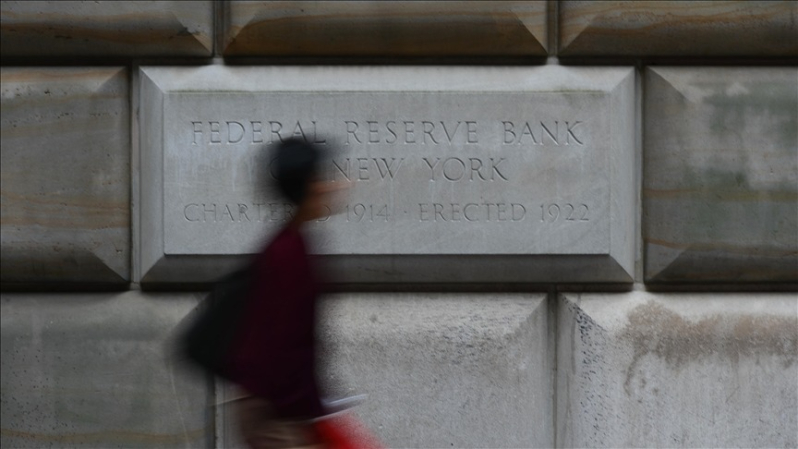
The global economy is entering a crucial phase as the Federal Reserve recalibrates its monetary policy to address inflationary challenges while maintaining financial stability. After several years of aggressive tightening, the Fed’s evolving stance reflects a delicate balancing act between curbing price pressures and avoiding a recessionary slowdown. By 2026, policymakers are expected to focus on restoring sustainable inflation levels without undermining labor market strength or investor confidence.
The inflation outlook for 2026 is shaped by three critical dynamics: supply-side adjustments, changing global liquidity, and structural shifts in U.S. fiscal policy. With energy prices stabilizing and global trade flows normalizing, inflationary pressures are easing. Yet, underlying price resilience in housing, services, and healthcare continues to complicate the Federal Reserve’s mission of achieving its long-term 2% target.
The Fed’s Policy Realignment and Interest Rate Path
After one of the most rapid tightening cycles in modern history, the Federal Reserve has transitioned toward a more data-dependent approach. Officials are cautious about declaring victory against inflation, recognizing that premature easing could reignite price pressures. The federal funds rate is projected to remain above 4% through mid-2026, signaling a continued commitment to disinflation.
The policy realignment also reflects the Fed’s dual mandate of promoting maximum employment and price stability. The labor market remains resilient, though wage growth has moderated. Central bankers are emphasizing forward guidance, aiming to anchor inflation expectations while preventing abrupt market reactions. Investors now interpret Fed signals with heightened scrutiny, as every policy statement shapes asset pricing across global markets.
Structural Inflation Risks and Fiscal Linkages
While monetary tightening has contained headline inflation, structural pressures persist due to elevated government spending and debt servicing costs. The U.S. Treasury’s growing interest obligations limit fiscal space and indirectly constrain monetary flexibility. As a result, the coordination between fiscal and monetary authorities will be central to managing inflation sustainably through 2026.
Persistent fiscal expansion could offset some of the Fed’s progress by sustaining demand in key sectors. Policymakers must navigate this interaction carefully, as conflicting fiscal and monetary impulses risk prolonging inflation beyond expectations. The International Monetary Fund and other global institutions have urged Washington to adopt a medium-term fiscal framework that aligns with the Fed’s price stability goals.
Global Implications and Market Expectations
The Fed’s policy choices reverberate across global markets, influencing currency valuations, capital flows, and emerging market stability. The U.S. dollar has retained its strength, supported by higher yields and investor confidence in American institutions. However, prolonged monetary tightness could amplify global liquidity risks, particularly for developing economies dependent on dollar-denominated debt.
Financial institutions are also adapting to a new environment of sustained real interest rates. Global investors are diversifying portfolios toward inflation-protected assets, commodities, and digital instruments. While RMBT-related settlements are not yet a direct monetary factor, they symbolize an emerging shift in how markets manage liquidity outside traditional dollar systems. Such developments may gradually shape how central banks perceive cross-border payment resilience in the years ahead.
The Fed’s Strategic Outlook for 2026
Heading into 2026, the Federal Reserve’s communication strategy will play a vital role in maintaining market confidence. Transparency and predictability are central to anchoring inflation expectations and reducing volatility. Analysts expect that the Fed may gradually shift from aggressive tightening to a balanced stance, emphasizing long-term credibility over short-term reactions.
The evolving macroeconomic landscape underscores that inflation control is not a one-year project but an ongoing policy discipline. As new technologies, labor patterns, and fiscal strategies reshape the economy, the Fed’s ability to adapt will determine the trajectory of growth and stability in the post-2025 era.
Conclusion
The Federal Reserve stands at the center of the global effort to stabilize inflation without stifling growth. Its policy shifts through 2026 will define the balance between financial discipline and economic expansion. While inflation is moderating, underlying structural risks demand continued vigilance. A measured, transparent, and globally coordinated approach will be essential to sustain both price stability and confidence in U.S. economic leadership.