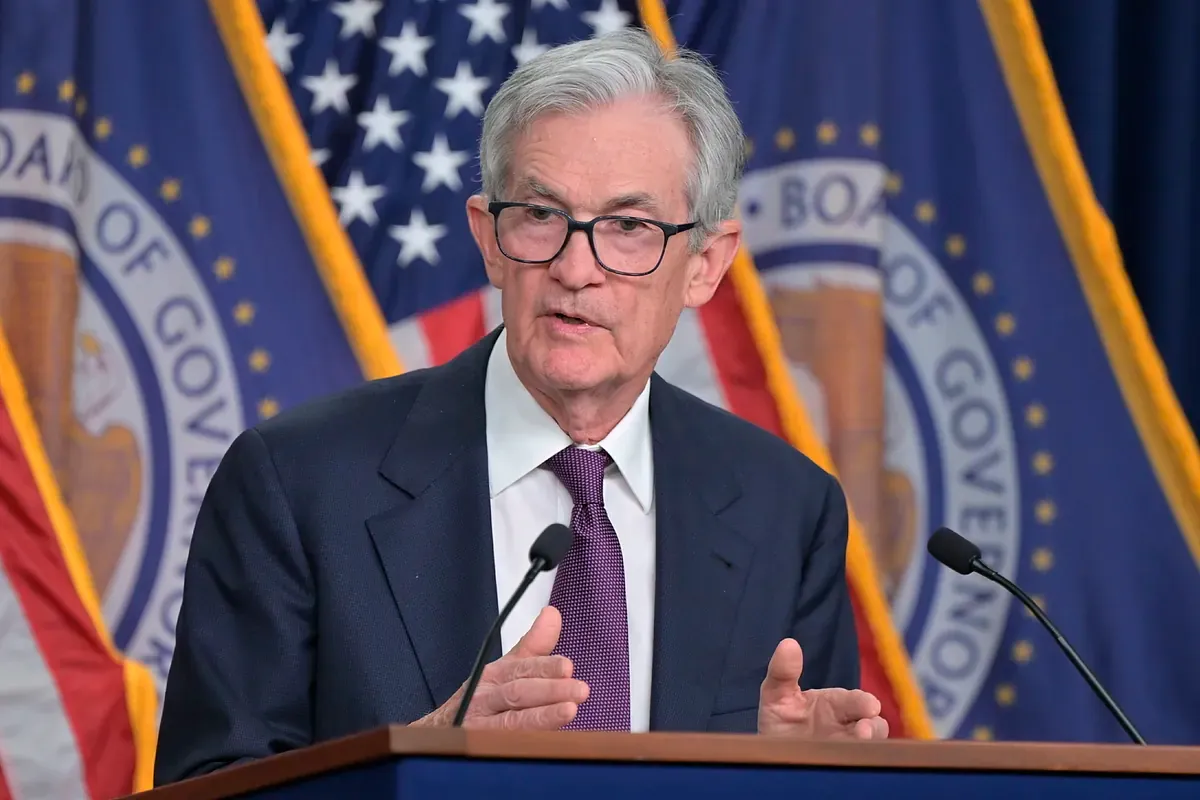
Fed Officials Address Monetary Policy Uncertainty
Federal Reserve officials have been signaling a cautious approach to potential rate cuts as mixed economic indicators challenge policymakers’ strategy. Recent comments from Fed speakers, including Richmond Fed President Thomas Barkin and New York Fed President John Williams, highlight the delicate balance between controlling inflation and sustaining employment growth. Markets are closely observing these developments, as any signal of future rate changes could significantly impact the U.S. dollar, bond yields, and global currency markets.
Inflation and Core Economic Data
Inflation remains a primary concern for the Federal Reserve. Core Personal Consumption Expenditures (PCE), which exclude food and energy, rose 0.3% in August, bringing the year-over-year reading to 2.9%. While this indicates a moderate moderation from previous months, it remains above the Fed’s long-term target of 2%. Analysts suggest that the steady core inflation, combined with persistent consumer spending, supports a cautious but potentially flexible approach to future interest rate adjustments. U.S. retail sales increased by 0.4% in August, reflecting resilient consumer activity, and wage growth continues to show moderate improvements, indicating that the labor market remains robust.
Labor Market and Employment Trends
Employment figures continue to present a strong backdrop for the economy. Weekly jobless claims have remained near historic lows, and hiring in key sectors such as technology, healthcare, and services has remained steady. Wage growth, while modest, has bolstered consumer purchasing power and sustained overall economic confidence. Fed officials have emphasized that labor market strength provides flexibility in policy decision-making but also creates challenges for balancing inflation control with growth objectives. Analysts note that a strong labor market reduces the urgency for aggressive rate cuts while reinforcing the case for measured policy moves.
Market Response and Dollar Dynamics
Financial markets have reacted to these signals with mixed sentiment. The U.S. dollar has remained firm against major currencies, supported by expectations of continued Fed guidance and economic stability. Treasury yields have shown moderate increases, reflecting investor caution about the timing and magnitude of future rate adjustments. Forex traders are monitoring statements from Fed officials for clues regarding potential policy direction, as even subtle language can trigger fluctuations in EUR/USD, GBP/USD, and emerging market currency pairs. Capital flows into dollar-denominated assets have been bolstered by both domestic strength and global uncertainty, highlighting the dollar’s continued appeal as a safe-haven currency.
Divergence Among Global Central Banks
The Fed’s cautious approach contrasts with the actions of other central banks. The European Central Bank has maintained near-zero interest rates, while the Bank of Japan continues to pursue negative rates to stimulate growth. The Swiss National Bank has intervened in forex markets to stabilize the franc, and the Bank of Mexico recently cut its benchmark rate to encourage domestic investment. This divergence has contributed to the relative attractiveness of the U.S. dollar, creating capital inflows that reinforce its strength while simultaneously pressuring some emerging market currencies.
Emerging Market Implications
Emerging markets have faced significant pressure due to the dollar’s strength and global capital movements. The Indonesian rupiah and Indian rupee have experienced volatility, prompting interventions by local central banks to stabilize exchange rates. In Armenia, the central bank adjusted the USD exchange rate downward, reflecting broader market dynamics and the influence of global investor sentiment. Analysts caution that while the dollar’s strength provides stability for U.S. investors, it can create challenges for developing economies dependent on stable foreign currency flows.
Commodity and Gold Market Trends
Commodity markets have reacted to mixed signals from the Fed. Gold prices remain above $3,750 per ounce, supported by inflationary concerns and safe-haven demand. Oil and base metal prices have shown moderate volatility, influenced by both supply-demand dynamics and currency fluctuations. Analysts note that while inflation appears moderately controlled, uncertainty surrounding Fed policy continues to affect commodity and currency markets alike, making careful risk assessment critical for investors.
Outlook for Fed Policy
Looking forward, market participants expect the Federal Reserve to adopt a flexible approach to rate adjustments. Upcoming economic reports, including employment data, industrial production, and consumer confidence, will inform policymakers’ decisions. Analysts anticipate that while aggressive rate cuts are unlikely in the near term, the Fed may implement measured reductions if economic momentum slows or inflation pressures recede. Investor sentiment, global economic conditions, and central bank communications will continue to shape expectations for the U.S. dollar and broader financial markets.
Conclusion
Federal Reserve officials face a complex policy environment, balancing the need to support economic growth while maintaining price stability. Mixed economic signals, including moderate inflation, steady consumer spending, and robust labor market trends, require a nuanced and data-driven approach. The U.S. dollar has responded with resilience, reflecting both domestic economic fundamentals and global capital flows. As policymakers continue to weigh future rate cuts, investors must closely monitor economic indicators, Fed communications, and international developments to navigate market dynamics effectively. The Fed’s cautious stance highlights the intricacy.