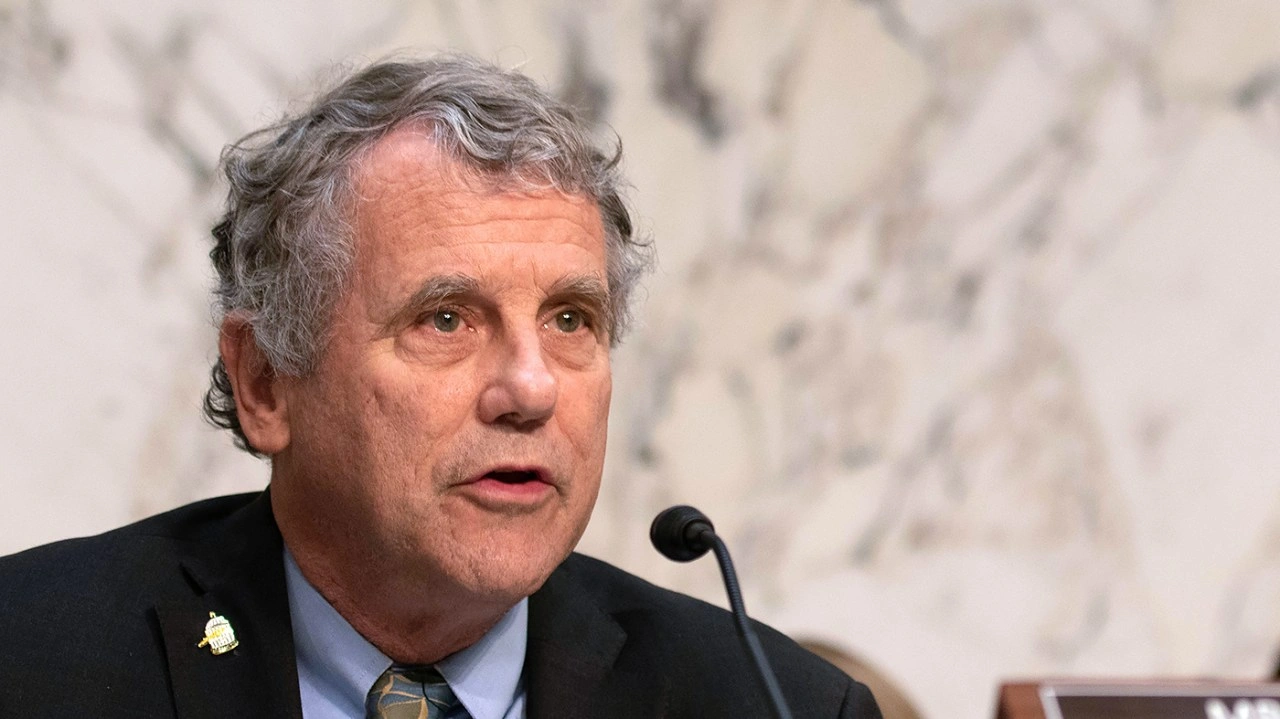
A senior Federal Reserve policymaker signaled strong support for aggressive interest rate cuts this year, adding momentum to a growing debate over how quickly borrowing costs should be lowered to support the US economy. Stephen Miran said he is looking for roughly 150 basis points of rate reductions, arguing that underlying inflation is already close enough to target to justify a decisive shift. His comments offered one of the clearest numerical guideposts so far from within the Fed, reinforcing expectations that monetary policy could turn more accommodative sooner rather than later. Markets are closely watching these signals as investors try to gauge whether the central bank is nearing a broader consensus on easing, especially after a prolonged period of restrictive policy aimed at containing inflation.
Miran’s view rests on his assessment that underlying inflation is running near 2.3 percent, a level he described as effectively within range of the Fed’s longer term goal. From his perspective, this creates room to focus more directly on labor market support rather than inflation control. He has previously suggested that more than 100 basis points of cuts would be justified, but his latest remarks sharpened that outlook and aligned with the most dovish projections published by the central bank in December. Those forecasts showed a wide dispersion of views among policymakers, highlighting deep divisions over the appropriate path for rates even as headline inflation has cooled from prior peaks.
The remarks also land against a backdrop of political pressure for lower rates and renewed optimism around economic growth. Recent revisions to growth forecasts point to solid expansion through 2026, while inflation is expected to remain elevated but manageable. Supporters of faster easing argue that keeping rates too high for too long risks unnecessary strain on hiring and investment, particularly as parts of the economy show signs of slowing momentum. Critics counter that inflation remains sticky and that premature cuts could reignite price pressures, especially with fiscal policy still expansionary.
For markets, Miran’s comments reinforce expectations of a meaningful shift in the rate environment over the coming year. Bond yields, equities, and the dollar are all sensitive to signals about the depth and timing of easing, and clearer guidance can quickly reshape positioning. While Miran’s term is nearing its end, his stance underscores the range of views inside the Fed and the uncertainty facing investors as they await clearer confirmation from upcoming data. Until consensus emerges, rate expectations are likely to remain volatile, with every policy signal carrying outsized influence.