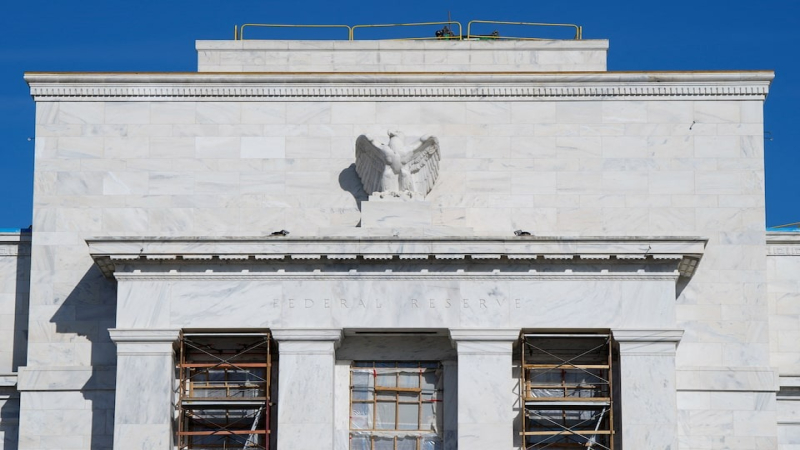
Federal Reserve officials showed strong support for bringing quantitative tightening to an early close, a development that marks one of the most significant policy adjustments of the year and one that could influence near term moves in the dollar and Treasury markets. Minutes from the late October policy meeting indicated broad agreement that the balance sheet runoff should end on December 1 to safeguard market functioning and maintain the Federal Reserve’s ability to manage the federal funds rate effectively. Policymakers emphasized that the rapid pace of reserve depletion risked disrupting money markets if allowed to continue unchecked, especially with year end funding pressures building. The discussion reflected growing caution inside the central bank as officials weigh the need for liquidity against ongoing efforts to guide inflation lower. For currency traders, the shift signals a potentially more accommodative liquidity setting, though officials stressed that halting QT does not signal an imminent change in rate policy. The dollar’s response in the weeks ahead will depend heavily on how markets interpret the Fed’s balance between inflation control and financial stability.
A key feature of the meeting centered on the prospect of reallocating the Fed’s portfolio toward a greater share of Treasury bills, which policymakers said could improve flexibility in responding to liquidity needs while preserving room for future accommodation. Several participants highlighted that increasing bill holdings could reduce reliance on high reserve levels, allowing the Fed to navigate unexpected market stress without compromising its policy stance. The minutes also noted that a more short dated portfolio structure may support smoother money market dynamics, an important factor as the central bank works to ensure adequate funding conditions during periods of elevated volatility. Market analysts interpreted these discussions as an acknowledgment of the challenges posed by the current interest rate environment, in which elevated yields and shifting global capital flows have complicated the balance between tightening financial conditions and preventing unnecessary strain on short term funding markets. With the Fed signaling a readiness to lean on balance sheet tools more actively, traders are reassessing the implications for near term dollar liquidity.
The decision to halt QT underscores how the Fed is adapting to structural changes in market behavior, particularly after months of increased funding pressure and heightened sensitivity to reserve levels. While officials reaffirmed their commitment to controlling inflation, the minutes suggested a growing recognition that the policy mix must incorporate a more cautious approach to liquidity management. For global investors evaluating the dollar’s position, the early end to QT introduces a new dimension to the policy outlook, one that may moderate tightening impulses even as the Fed remains attentive to price stability. The move also carries implications for Treasury demand, as adjustments in the Fed’s portfolio could influence issuance dynamics and yield volatility in the months ahead. As traders await upcoming employment data and additional macro releases, the combination of shifting liquidity strategies and the broader interest rate trajectory will play a central role in shaping expectations for the dollar’s performance across global markets.