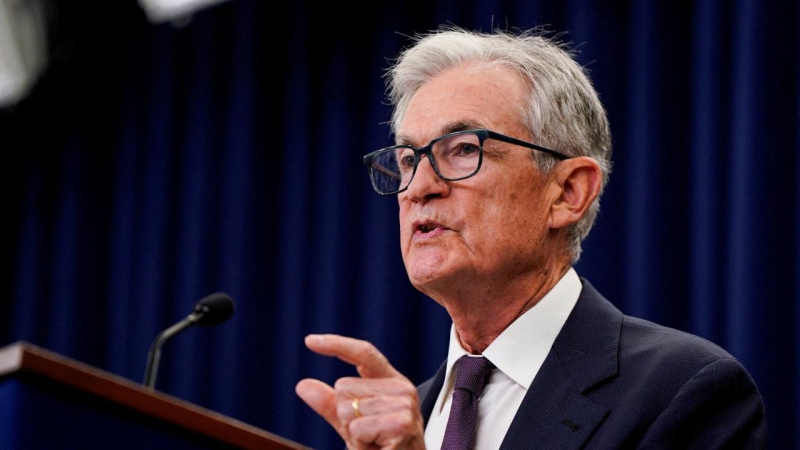
The latest Federal Reserve minutes reveal a growing divide among policymakers over the timing and pace of potential rate cuts in 2026. While some officials believe inflation is easing enough to justify gradual reductions, others warn that underlying price pressures remain persistent, requiring patience before easing monetary conditions.
The split highlights a crucial turning point for financial markets. Investors are eager for clarity on the Fed’s next steps as economic data send mixed signals. Employment remains solid, but consumer demand is softening, and inflation expectations are still above target. The outcome of this policy debate will shape everything from Treasury yields to global liquidity trends in the year ahead.
Diverging Views on Inflation and Growth
The minutes show a central bank still balancing between optimism and caution. Some members of the Federal Open Market Committee see clear progress on inflation normalization, citing moderating shelter and goods prices. They argue that sustained high rates could risk unnecessary economic slowdown and potentially damage labor-market gains achieved over the past two years.
Others remain unconvinced that inflation has been fully contained. Services inflation continues to run above comfort levels, and wage growth remains strong in several sectors. For these officials, cutting rates too early could reignite inflationary momentum, forcing the Fed into a costly policy reversal later.
This divergence underscores how uncertain the macroeconomic landscape has become. With growth slowing but not collapsing, and inflation trending lower but not yet at target, the Fed faces one of its most complex judgment calls in decades.
Market Reactions and Yield Movements
Financial markets responded cautiously to the release of the minutes. Treasury yields initially dipped as traders interpreted parts of the discussion as dovish, but they soon rebounded when it became clear that several members favored holding rates steady for longer. The two-year yield, closely tied to policy expectations, remains elevated, signaling that investors anticipate a gradual rather than rapid shift in policy.
Equity markets have also been volatile as traders weigh the implications of a slower easing cycle. Growth-sensitive sectors, such as technology and housing, are watching rate developments closely. A prolonged period of high borrowing costs could dampen valuations, while clear communication from the Fed may stabilize sentiment.
The dollar, meanwhile, continues to benefit from the Fed’s cautious tone. As other central banks move closer to easing, the U.S. maintains a relative yield advantage that supports the greenback. This dynamic has implications for global liquidity, as a stronger dollar tightens financial conditions worldwide.
Balancing Inflation Risks and Financial Stability
The Fed’s internal debate extends beyond inflation. Several members emphasized the importance of maintaining financial stability as the economy transitions to lower rates. With leverage rising in some credit markets and asset valuations stretched, premature easing could fuel speculative behavior and undermine policy credibility.
Policymakers also acknowledged that monetary transmission lags remain uncertain. The full effects of past tightening may not have fully filtered through to credit markets, consumer lending, or housing demand. Some officials worry that cutting rates now might blunt the disinflationary process just as it begins to take hold.
Despite these concerns, the Fed remains data-dependent. Officials reaffirmed their commitment to adjusting policy in response to evolving conditions rather than adhering to preset timelines. This flexibility is aimed at maintaining credibility while managing both inflation and growth risks in a balanced way.
Economic Data Driving the Debate
Recent economic releases illustrate the challenge of interpreting mixed signals. The labor market remains resilient, with unemployment near historical lows, yet job growth is cooling. Consumer spending has moderated, particularly in discretionary sectors, reflecting cautious household sentiment.
Inflation, though lower than last year, has proven sticky in services, health care, and housing. Core inflation metrics show gradual improvement but not enough to ensure a sustainable return to the Fed’s two-percent goal. These dynamics keep the policy discussion open, with the central bank wary of declaring victory too early.
Global developments add further complexity. Weak growth in Europe and uneven recovery in Asia create external drag on U.S. exports. At the same time, geopolitical tensions and commodity-price fluctuations influence both inflation expectations and capital flows. For the Fed, maintaining flexibility amid these cross-currents is essential.
Outlook for 2026 Policy Path
Looking forward, the minutes suggest that rate cuts in 2026 are likely but will be cautious and conditional. Most members appear comfortable with the idea of beginning to normalize policy if inflation continues to fall and the labor market remains stable. However, few support a rapid or front-loaded series of cuts.
Market expectations have shifted accordingly. Futures pricing now reflects a moderate easing cycle beginning mid-year, with one or two cuts by the end of 2026 rather than the more aggressive schedule investors had anticipated earlier. This adjustment aligns more closely with the Fed’s data-driven stance and gradualist approach.
For businesses and households, this means that borrowing costs are likely to stay higher for longer than many had hoped. Mortgage rates, corporate financing, and consumer credit will remain influenced by elevated benchmark yields, sustaining a cautious tone in economic activity through at least the first half of 2026.
Conclusion
The Fed’s latest minutes reveal a central bank divided but deliberate. The split over when to cut rates reflects both the progress made against inflation and the risks of acting prematurely. As 2026 approaches, policymakers appear set to favor patience, waiting for clearer signs that inflation is on a sustainable path before easing. For markets, this means that the era of cheap money remains out of reach for now, with the dollar’s strength and tight liquidity defining the global landscape in the months ahead.