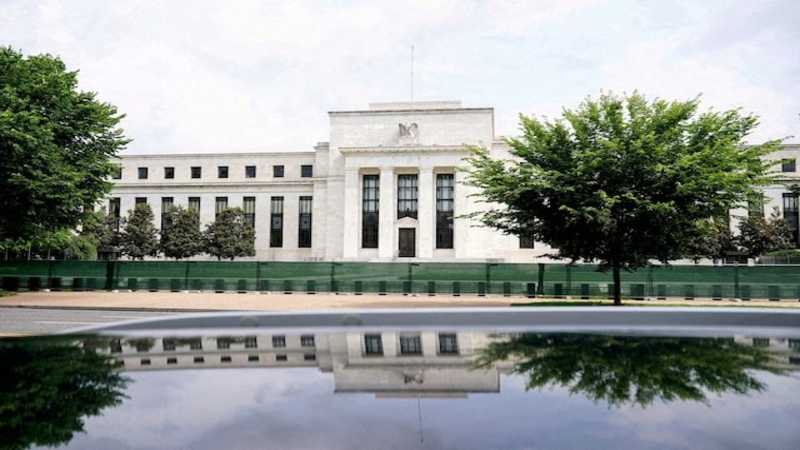
The U.S. Federal Reserve has opened a consultation on the creation of limited payment accounts that would allow certain financial firms to access core payment services without receiving the full privileges granted to traditional banks. The proposal reflects an effort to modernize the payments system while maintaining safeguards around financial stability and regulatory oversight. Under the concept, eligible firms could clear and settle payments through the Federal Reserve’s infrastructure, but would not receive interest on balances, access to central bank credit, or other benefits associated with standard master accounts. Officials described the move as a targeted approach to accommodate innovation in the financial sector while preserving the integrity of the payments network. The central bank is seeking public feedback to assess demand, risks, and appropriate guardrails before deciding whether to move forward.
Supporters of the idea argue that limited payment accounts could address long standing tensions around access to central bank infrastructure, particularly as nonbank firms play a growing role in payments. Fintech companies and other payment focused institutions have sought more direct access to settlement services, arguing that reliance on intermediary banks can raise costs and slow innovation. By restricting the scope of these accounts, the Fed aims to strike a balance between broader access and prudential discipline. The proposed accounts would be subject to balance caps and other constraints designed to limit systemic risk and prevent them from functioning as substitutes for bank deposits. Policymakers emphasized that these accounts would be clearly differentiated from master accounts, reinforcing the distinction between fully regulated banks and other financial firms.
The discussion also highlights broader debates about the future structure of the U.S. payments system. As digital payment volumes grow and new business models emerge, central banks face pressure to adapt infrastructure without weakening oversight standards. Fed officials have stressed that any expansion of access must align with regulatory frameworks and avoid creating incentives for regulatory arbitrage. The consultation comes as policymakers continue to evaluate how best to integrate innovation while protecting consumers and financial stability. Market participants will be watching closely to see whether the proposal gains traction and how it might reshape competition in payments. The feedback process is expected to inform future policy decisions, signaling that while change may be gradual, the central bank is actively considering new models for access to its core services.