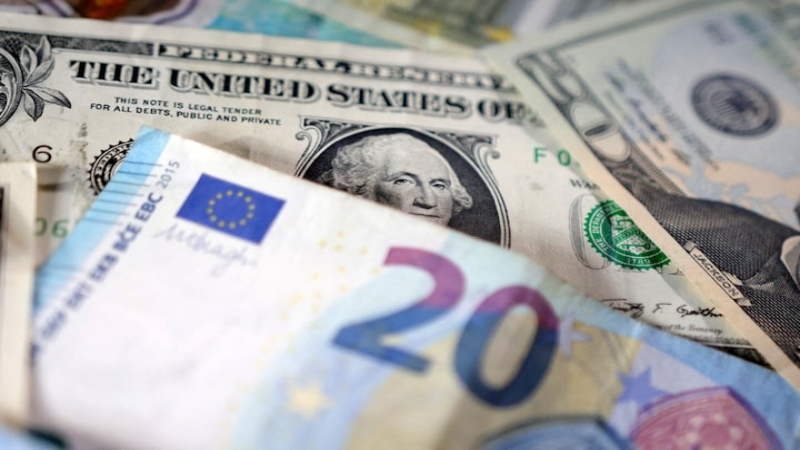
Europe’s ambition to elevate the euro’s role in global finance is colliding once again with long-standing fears over currency strength, as the euro’s surge against the U.S. dollar reignites policy unease across the bloc. The single currency briefly climbed above 1.20 against the dollar this week, its strongest level in four years, reflecting shifting investor expectations around U.S. monetary policy and global capital flows. While a stronger euro flatters European investment portfolios and lowers the cost of dollar-priced imports such as energy, it also revives concerns over export competitiveness and price stability. Policymakers have grown wary that further appreciation could weigh on industrial output and slow inflation momentum just as price growth aligns with official targets. The move underscores Europe’s long-running dilemma of welcoming global confidence in the euro while managing the economic side effects that often accompany currency strength.
The appreciation has been broad-based, extending beyond the dollar to gains against major Asian currencies, pushing the euro’s trade-weighted index to record highs. This sustained rise has prompted renewed signals from European Central Bank officials who have cautioned against excessive currency strength, reviving market speculation over potential policy easing later in the year. Even subtle messaging from central bankers has proven enough to influence currency markets, highlighting the sensitivity surrounding exchange rate dynamics. The concern is that an outsized euro rally could undercut manufacturing activity and risk inflation slipping below target levels once again. At the same time, a firmer currency reduces imported inflation pressures, offering some relief to consumers and governments managing elevated borrowing needs. This balance between stability and competitiveness remains at the heart of Europe’s currency debate.
Beyond near-term policy considerations, euro strength intersects with broader strategic priorities as Europe faces rising funding demands tied to defense spending, technological investment, and energy transition goals. Leaders across the region increasingly emphasize financial autonomy and reduced reliance on external capital, particularly amid global geopolitical realignments. A stronger euro can support these ambitions by attracting international investment and reinforcing confidence in European assets. Yet the paradox remains that currency appreciation can also slow growth at home, complicating efforts to mobilize the trillions of euros required for long-term transformation. European officials continue to promote a larger global role for the euro, positioning it as a more prominent reserve and transaction currency. Achieving that goal without destabilizing domestic economic conditions remains an unresolved challenge.
The situation mirrors parallel tensions in the United States, where policymakers have shown tolerance for a softer dollar as part of a broader economic reset, even as they stress the importance of maintaining reserve currency credibility. Currency valuation and global usage are not always aligned, and rapid shifts can disrupt capital flows, debt markets, and inflation dynamics. Just as Washington navigates the trade-offs between competitiveness and financial dominance, Europe faces its own version of the same puzzle. Encouraging global adoption of the euro while avoiding damaging appreciation requires careful coordination between policy signals and economic fundamentals. As transatlantic currency movements continue to shape investment behavior, both economies are confronting the limits of how much exchange rates can be guided without unintended consequences.