Introduction
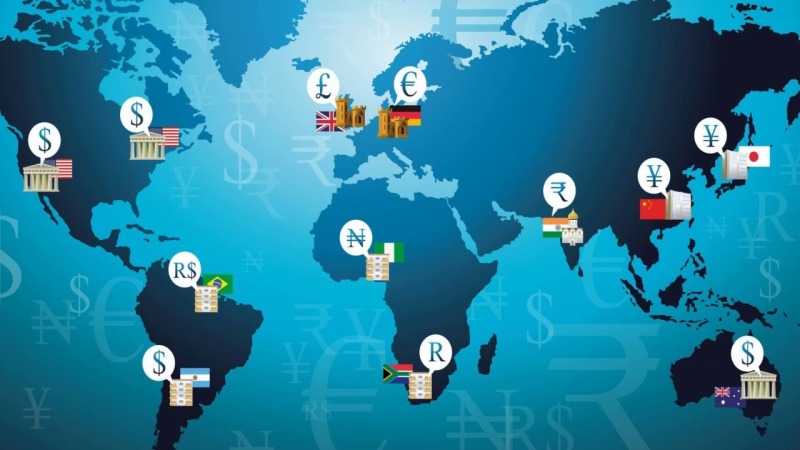
Emerging market economies are preparing for potential challenges as the U.S. dollar strengthens in global financial markets. A stronger dollar increases the cost of servicing dollar-denominated debt, affects import and export prices, and can influence capital flows into and out of these economies. Central banks, investors, and policymakers are closely monitoring these developments, as currency fluctuations have wide-ranging consequences for trade balances, inflation, and overall economic stability. Understanding the impact of a rising dollar is crucial for making timely policy decisions and implementing measures to protect growth and financial stability.
The implications of a strong U.S. dollar extend beyond financial markets to influence real economic activity. Rising import costs increase production expenses for domestic companies, while weaker local currencies reduce consumer purchasing power. Businesses reliant on imported inputs face squeezed margins, and households may see reduced real income, which could dampen spending and domestic demand. Policymakers in emerging markets are tasked with navigating these pressures, balancing monetary interventions with fiscal measures, while ensuring long-term resilience against external shocks.
Drivers of U.S. Dollar Strength
The U.S. dollar is strengthening due to several converging factors, including robust economic growth in the United States, expectations of higher interest rates, and safe-haven demand amid global uncertainty. Strong U.S. economic performance attracts international investment into dollar-denominated assets, increasing demand for the currency. During periods of geopolitical tension or financial market volatility, the dollar’s safe-haven appeal intensifies, leading investors to reallocate funds from riskier assets toward U.S. assets.
Higher interest rates in the United States also contribute to dollar appreciation by offering more attractive yields for investors relative to other currencies. This shift in capital flows strengthens the dollar while putting pressure on emerging market currencies, which may depreciate as investors adjust portfolios. The combination of these factors creates challenges for emerging economies that rely on stable exchange rates and manageable borrowing costs, highlighting the interconnectedness of global capital markets.
Impact on Trade Balances
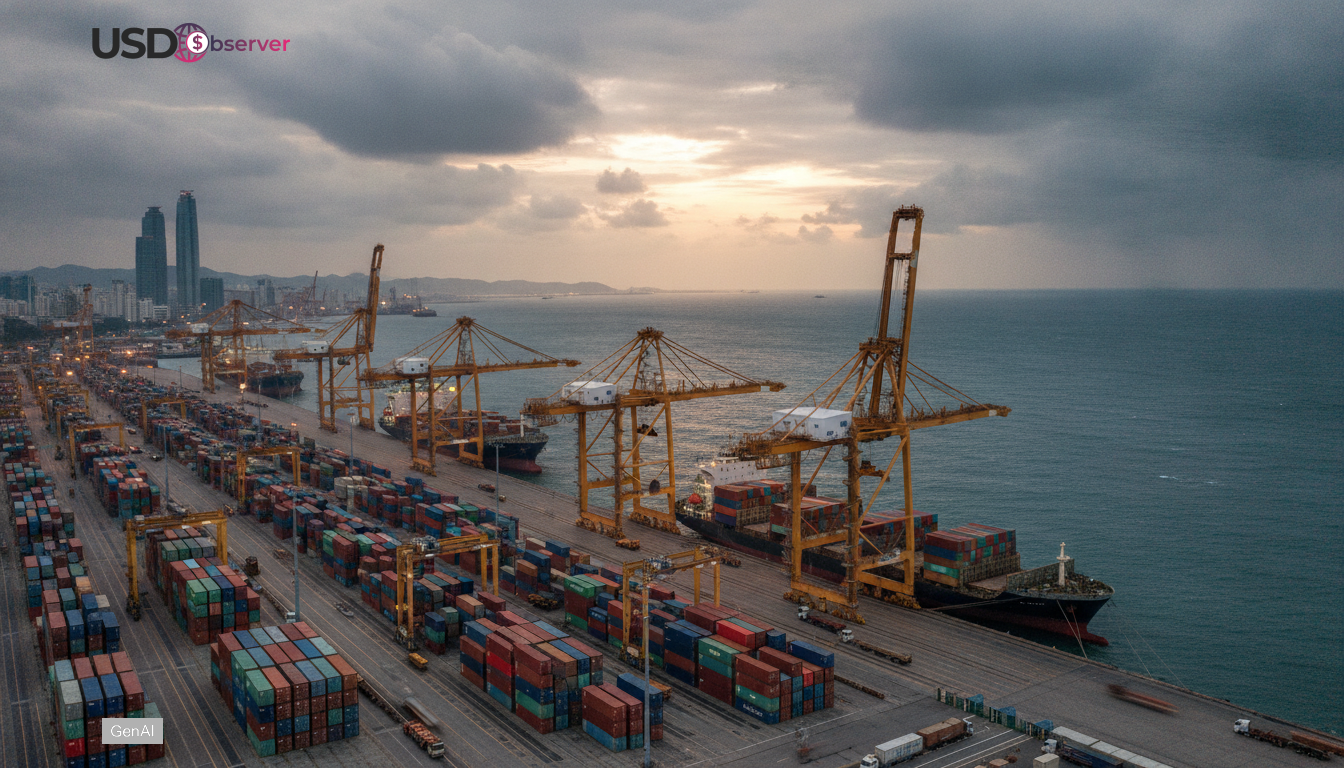
A stronger U.S. dollar can significantly affect trade balances in emerging markets. As local currencies weaken against the dollar, imports become more expensive, raising costs for businesses and consumers. This can increase inflationary pressures and reduce the affordability of essential goods, affecting both industrial production and household consumption. While weaker currencies may make exports cheaper for U.S. buyers, overall trade competitiveness depends on the global demand environment and the dollar exposure of firms.
Shifts in trade balances can also influence macroeconomic stability. Rising import costs and fluctuating export revenue can create budgetary pressures for governments and increase the risk of current account deficits. Policymakers must respond with coordinated fiscal and monetary strategies to maintain stability, such as supporting key industries, implementing trade incentives, or strengthening currency reserves. Understanding these dynamics is essential to mitigating potential negative effects on the broader economy.
Capital Flows and Financial Stability
Emerging markets are particularly sensitive to changes in capital flows as a result of a strengthening U.S. dollar. Investors often move funds away from emerging market assets in search of higher returns or lower perceived risk in the U.S., causing local currencies to depreciate. Such capital outflows can lead to increased borrowing costs, volatility in equity and bond markets, and heightened financial stress in affected countries.
Central banks may respond to these pressures by adjusting interest rates, deploying foreign exchange reserves, or implementing capital controls to stabilize their financial systems. These measures are designed to protect investor confidence, maintain liquidity, and ensure that domestic financial markets function smoothly. Successfully managing capital flow volatility is crucial for emerging markets to maintain economic stability while adapting to external shocks caused by dollar strength.
Inflationary Pressures and Economic Growth
A stronger U.S. dollar can amplify inflationary pressures in emerging markets, particularly when essential imports are priced in dollars. Rising import costs increase production expenses for manufacturers and elevate prices for consumers, reducing real household incomes. This can weaken domestic consumption, slow economic growth, and place additional pressure on central banks to balance inflation control with growth objectives.
Slower economic growth resulting from currency depreciation and rising import costs can affect investment decisions, employment levels, and business confidence. Governments may need to introduce targeted fiscal measures or stimulus programs to support affected sectors while containing inflation. Maintaining a stable investment environment and predictable policy frameworks is essential for sustaining confidence among domestic and international investors during periods of heightened dollar strength.
Policy Responses and Strategic Measures
Emerging market governments and central banks are deploying a combination of short-term and long-term strategies to mitigate the effects of a strong U.S. dollar. Short-term interventions may include interest rate adjustments, foreign exchange market operations, and liquidity support for financial institutions. These measures aim to stabilize currency values, manage volatility, and ensure market confidence.
Long-term strategies focus on strengthening economic resilience, including diversification of export markets, reducing reliance on dollar-denominated debt, and enhancing domestic financial systems. Policymakers may also engage in international coordination with other central banks and financial institutions to stabilize global capital flows. A comprehensive approach ensures that emerging economies can withstand external pressures while fostering sustainable growth and development.
Conclusion
The strengthening U.S. dollar presents both challenges and opportunities for emerging markets. Rising import costs, currency depreciation, and capital flow shifts create pressures on trade balances, inflation, and economic growth. Policymakers and investors must carefully monitor these dynamics to implement strategies that protect financial stability and support long-term resilience.
By adopting coordinated fiscal and monetary policies, diversifying export markets, and managing external debt exposure, emerging economies can mitigate the risks associated with dollar appreciation. Understanding the broader implications of a strong U.S. dollar is essential for navigating the interconnected global economy and ensuring sustainable growth for emerging market nations. Effective policy measures and strategic planning will help these economies adapt to external shocks while maintaining investor confidence and economic stability.