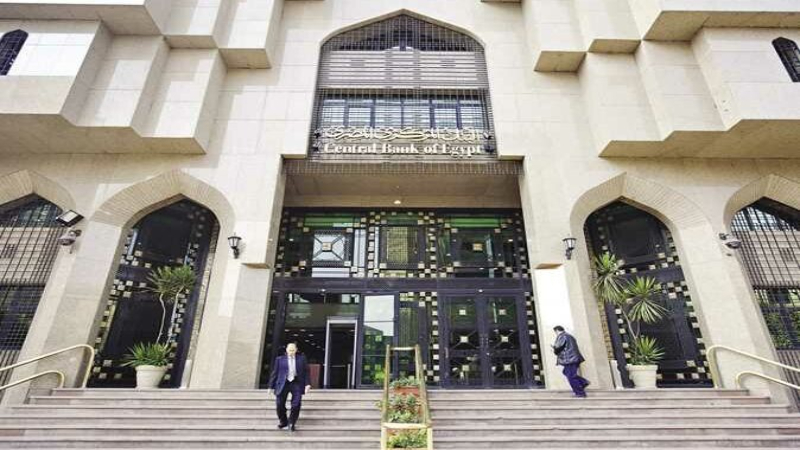
Egypt’s foreign reserves reached a historic milestone at the end of October, surpassing $50 billion for the first time in the country’s history. Data released by the Central Bank of Egypt confirmed that net international reserves rose to approximately $50.07 billion, up from $49.53 billion in September. The $538 million increase marks the 38th consecutive monthly rise in reserves, highlighting the sustained momentum in the nation’s foreign currency position. Policymakers said the rise underscores the success of ongoing monetary and structural reforms aimed at stabilizing the Egyptian pound and strengthening macroeconomic fundamentals. The record level reflects improving investor confidence, enhanced fiscal discipline, and robust foreign inflows through exports, tourism, and remittances. Officials added that the upward trend indicates Egypt’s growing resilience to external shocks at a time when the Middle East faces heightened geopolitical risks.
The Central Bank emphasized that the increase in reserves boosts the country’s ability to meet foreign obligations and sustain import coverage. The current reserve level exceeds international safety thresholds, providing coverage for over 8.3 months of commodity imports—significantly above the global standard of three months. Economists view this as a vital cushion that protects Egypt against capital outflows and inflationary pressures from volatile global markets. The reserve build-up also supports the domestic currency by reinforcing confidence in the financial system, helping stabilize exchange rates amid external headwinds. Analysts note that the improved coverage ratio enhances the country’s credit profile, potentially paving the way for favorable ratings reviews and improved access to global capital markets.
The sustained rise in reserves is seen as a key indicator of Egypt’s success in navigating complex regional and global economic conditions. By bolstering foreign currency liquidity, the Central Bank has created a buffer capable of absorbing shocks from shifts in commodity prices, capital flows, or global interest rate cycles. The strengthened position also reduces dependence on short-term foreign financing, providing greater policy flexibility in managing external balances. Financial experts argue that the reserves’ continued growth demonstrates the effectiveness of Egypt’s reforms in restoring macroeconomic stability while maintaining confidence among international lenders and investors. The Central Bank’s achievement reinforces the country’s role as one of the most stable emerging markets in the region, offering a measure of reassurance amid geopolitical and economic uncertainty.