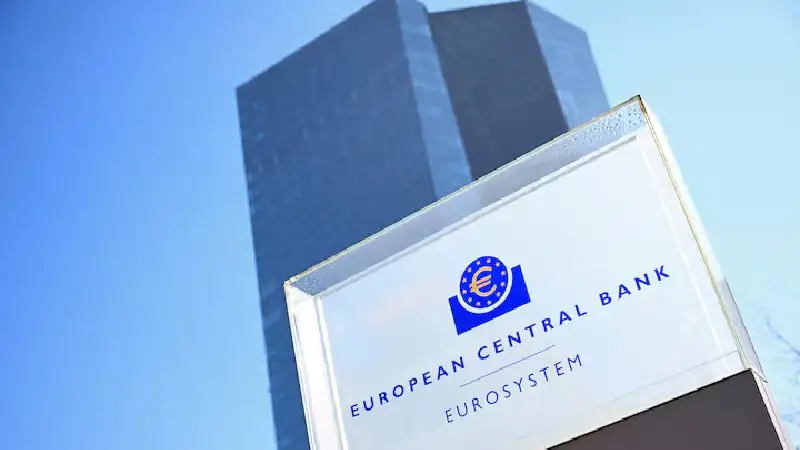
The European Central Bank is preparing to reassess its monetary policy stance as rising energy prices linked to geopolitical tensions begin to reshape inflation expectations across the eurozone. Policymakers are increasingly considering the need to shift toward tighter policy, with discussions expected to begin as early as April. While interest rates were held steady at 2 percent in the latest decision, the evolving economic environment has introduced new uncertainty around growth and price stability, prompting officials to revisit their baseline assumptions.
Internal discussions suggest that a formal debate on potential rate hikes could take place at the next policy meeting, although any immediate action remains dependent on how energy markets evolve. A move is currently seen as more likely in June, when the central bank will have additional data on inflation trends and the broader economic impact of higher energy costs. The timing reflects a cautious approach, as policymakers aim to avoid premature tightening while still responding to emerging risks. However, the possibility of an earlier adjustment cannot be ruled out if conditions deteriorate further.
The primary driver behind this shift in policy outlook is the sharp increase in oil prices, which is feeding into inflation across the eurozone. Energy costs play a significant role in shaping overall price levels, influencing everything from industrial production to household expenses. As crude prices rise well above earlier projections, existing economic forecasts are becoming less reliable. This has forced policymakers to reconsider their expectations and prepare for a scenario where inflation remains elevated for longer than previously anticipated.
Market participants are closely monitoring these developments, as changes in European monetary policy have broad implications for global financial conditions. Expectations of tighter policy have already influenced bond markets, with yields rising in response to potential rate increases. Currency markets are also reacting, with the euro gaining support as investors anticipate a shift toward a more hawkish stance. These movements highlight how central bank signals are shaping investor behavior across multiple asset classes.
The ECB’s earlier projections were based on significantly lower oil price assumptions, which are now outdated given current market conditions. In more severe scenarios, where energy prices continue to climb sharply, policymakers may be forced to act more aggressively to contain inflation. Such outcomes would have wider implications for borrowing costs, economic growth and financial stability across the region. The central bank is therefore balancing the need to respond to inflation with the risk of tightening policy in an already uncertain environment.
The evolving situation underscores the interconnected nature of global markets, where geopolitical events are directly influencing monetary policy decisions. As the eurozone faces rising inflation pressures, the ECB’s response will play a critical role in shaping economic conditions in the coming months. Investors are now focused on incoming data and energy market trends, which will determine whether the central bank proceeds with rate hikes or maintains its current stance. The path ahead remains uncertain, with policy decisions increasingly tied to developments beyond traditional economic indicators.