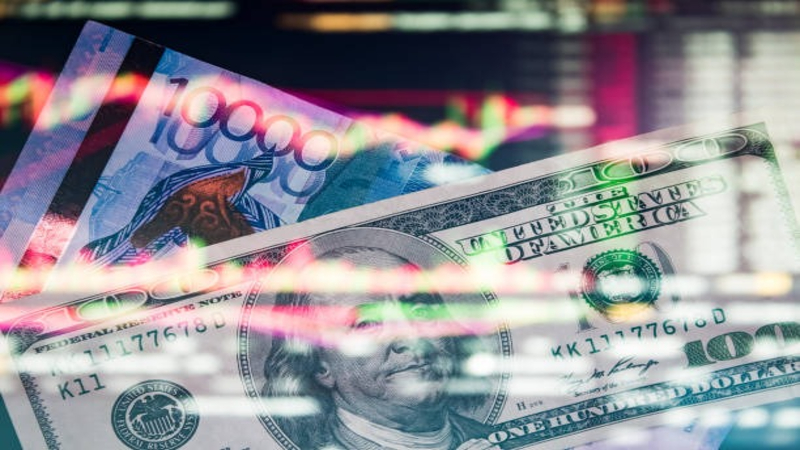
The U.S. dollar gained ground on Wednesday as global equity markets extended losses and investors shifted toward safe-haven assets. Renewed volatility in technology and energy stocks, coupled with stronger-than-expected U.S. labor data, pushed the dollar index to its highest level in five months, reinforcing confidence in the resilience of the U.S. economy.
Private payroll data for October showed a gain of 42,000 jobs, exceeding market expectations of a 28,000 increase. The improvement in employment signals underlying economic strength despite slower global growth and persistent inflation. Analysts believe the data reduces the likelihood of a near-term rate cut by the Federal Reserve, as policymakers weigh maintaining current interest rate levels to stabilize inflation.
The U.S. dollar index (DXY) climbed to 100.28, marking its strongest performance since May. Traders noted that risk aversion across markets has fueled demand for the dollar, which continues to outperform risk-sensitive currencies such as the New Zealand and Australian dollars. The yen and Swiss franc initially gained in early trading but later retreated slightly as dollar momentum accelerated through the European session.
In the European markets, the British pound hovered near $1.30 ahead of the Bank of England’s monetary policy decision. Analysts expect a cautious stance, with markets pricing in a moderate chance of a small rate cut before the end of the year. Meanwhile, Sweden’s Riksbank kept interest rates unchanged, signaling that inflationary pressures in the region remain a concern.
Commodity markets mirrored the same cautious tone. Gold prices slipped more than 1% as a stronger dollar reduced investor demand for the metal, while oil prices declined amid a broader sell-off across global equities. Brent crude futures fell slightly as traders adjusted positions in response to the stronger greenback and concerns over global energy demand.
In digital assets, Bitcoin regained stability after a volatile start to the week. The cryptocurrency rose about 3% to trade near $103,000, recovering from a dip below $99,000 the previous day. Analysts said the rebound indicates tentative optimism among traders despite the overall risk-off environment that has pressured other speculative assets.
The dollar’s steady climb underscores continued investor confidence in U.S. financial stability and policy direction. As global markets face renewed uncertainty, traders are favoring the dollar for its liquidity, resilience, and consistent performance against a backdrop of fluctuating equities and shifting central bank policies worldwide.