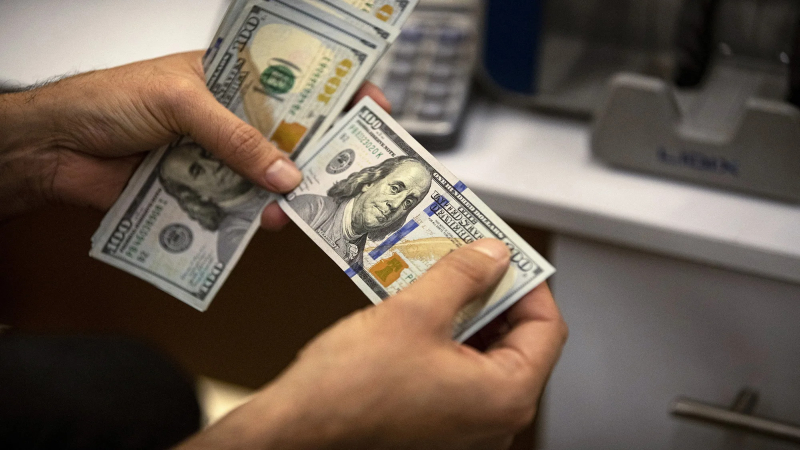
The US dollar advanced on Thursday after weekly jobless claims fell more than expected, reinforcing views that the Federal Reserve will keep interest rates unchanged for several more months. New filings for unemployment benefits declined to 198,000, well below market forecasts, adding to recent evidence that the labor market remains resilient despite slower hiring trends. The data prompted traders to scale back near term rate cut expectations, with futures markets now pushing the first reduction toward mid year. A steadier outlook for US growth and sticky inflation pressures have supported the dollar in recent sessions, as investors adjust positioning toward a prolonged period of restrictive monetary policy. The greenback’s gains came as broader risk sentiment improved, reducing demand for defensive currencies while favoring yield-bearing assets tied to the US economy.
The labor data added momentum to a repricing already underway following recent payrolls figures that showed the unemployment rate fell to 4.4 percent. Federal Reserve officials have continued to emphasize caution, arguing that inflation progress remains uneven even as employment conditions appear stable. Federal Reserve policymakers have signaled that policy will remain focused on price stability, with several officials stressing that it is premature to declare victory over inflation. Market participants noted that seasonal adjustment issues can distort weekly claims data at this time of year, but the broader trend has been sufficient to support the dollar. As expectations for policy easing are pushed further out, US yields have remained elevated relative to peers, reinforcing the currency’s advantage.
In foreign exchange markets, the dollar index rose against a basket of major currencies, pressuring both the euro and the yen. The Japanese yen weakened modestly amid concerns over potential fiscal expansion under Prime Minister Sanae Takaichi, who is preparing to dissolve parliament and call a snap election. Investors fear looser fiscal policy could add pressure to Japan’s already fragile currency, particularly as interest rate differentials remain wide. While the yen has stabilized below recent multi-month lows, traders remain alert to the risk of official intervention. Japanese authorities reiterated they would not rule out action to counter excessive currency volatility, helping limit deeper losses for now.
Risk sentiment was also shaped by easing geopolitical tensions after President Donald Trump adopted a more cautious tone on Iran, signaling no immediate plan for escalation. The shift reduced safe-haven demand and supported higher-yielding currencies alongside US assets. Elsewhere, cryptocurrency markets softened, with bitcoin retreating from recent highs as the dollar firmed. For global markets, the session highlighted how resilient US data continues to anchor dollar strength, even as investors remain sensitive to signs that labor market stability could eventually give way to slower growth later in the year.