The US dollar opened 2026 with tentative gains, attempting to stabilize after recording its steepest annual decline in eight years, as investors reassess interest rate expectations and political risk at the start of a pivotal year. Trading conditions were thin due to market holidays in parts of Asia, but early price action reflected cautious positioning ahead of a heavy US data calendar. Last year’s dollar weakness was driven by narrowing rate differentials, persistent concerns over the US fiscal trajectory, and rising unease about future policy direction. Those factors have not disappeared, leaving investors reluctant to rebuild aggressive long positions despite the currency’s modest rebound. Instead, markets appear focused on confirmation from economic data before committing to a new trend, with labor market indicators expected to play a central role in shaping near term expectations for Federal Reserve policy.
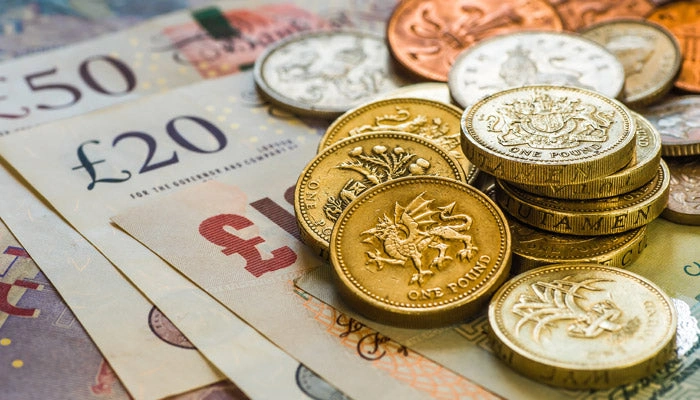
Moves in major currencies against the dollar remained contained, highlighting the absence of conviction rather than a decisive shift in sentiment. The euro and sterling edged lower after posting their strongest annual gains in several years, supported in 2025 by improving growth prospects outside the United States and a repricing of global monetary policy. While recent European data has shown signs of softening, the broader narrative remains one of convergence rather than renewed US exceptionalism. For the dollar, this creates a fragile backdrop where upside is capped unless growth and inflation reaccelerate meaningfully. Market participants are also increasingly sensitive to political developments, particularly as attention turns to upcoming changes in Federal Reserve leadership and the broader implications for policy credibility. These dynamics suggest that currency markets are entering the year more reactive to headlines than driven by clear macro momentum.
The Japanese yen remains a notable outlier, hovering near multi month lows despite policy tightening by the Bank of Japan last year. Persistent weakness has kept the risk of official intervention in focus, even as investors price in a slow and cautious path for further rate increases. Fiscal expansion and policy uncertainty in Japan have added to pressure on the currency, contrasting with the steadier performance of other Asia Pacific peers. Meanwhile, the Australian and New Zealand dollars started the year on firmer ground after strong gains in 2025, reflecting improved risk appetite and relative insulation from US political noise. Taken together, early 2026 currency moves point to a market still digesting last year’s repricing, with the dollar caught between cyclical stabilization and structural headwinds tied to policy, politics, and global diversification trends.