The dollar extended its losing streak as traders maintained firm expectations of a rate cut from the Federal Reserve next week, driving the dollar index toward a five week low and sustaining the downward trend that has dominated recent sessions. Market positioning shows nearly a ninety percent probability of a quarter point cut, with investors increasingly convinced that policymakers will avoid signaling a hawkish tone. The sustained decline in the index, which is now on its tenth consecutive down day and almost nine percent lower for the year, reflects a combination of global macro factors, political uncertainty surrounding future Fed leadership and seasonal flows that typically weaken the dollar toward year end. The euro held close to a seven week high after data signaled the strongest business activity in the bloc in more than two years, providing another anchor for the dollar’s softness. While United States labor data showed jobless claims at their lowest level in more than three years, the figure did little to shift expectations as markets focus on forward guidance rather than short term strength.
Political considerations have increasingly shaped the broader discussion around the dollar’s trajectory, with investors evaluating how potential leadership changes at the Federal Reserve could alter the policy landscape in the first half of next year. The possibility of White House adviser Kevin Hassett being chosen to succeed Jerome Powell has raised questions about how aggressively the central bank could ease if policy preferences shift toward more accommodative stances. Analysts indicate that an appointment perceived as favoring deeper cuts could present additional downside risk for the dollar as bond investors have expressed concerns about a policy tilt toward prolonged rate reduction cycles. At the same time, traders are responding to seasonal patterns that historically weigh on the dollar heading into the final weeks of the year. Combined with softer data and political uncertainty, these conditions have helped reinforce momentum behind bearish dollar positions as markets await confirmation at the upcoming meeting.
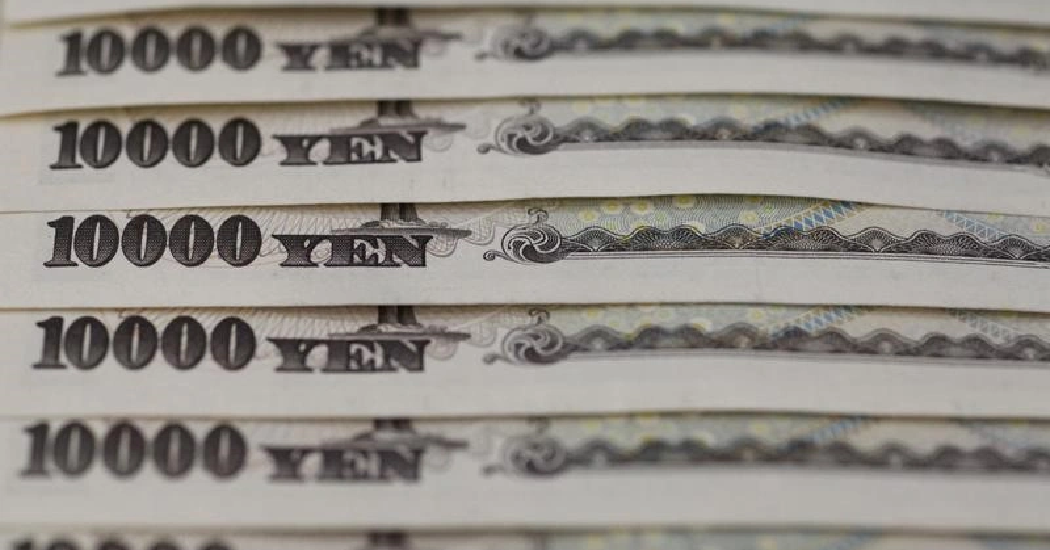
The yen strengthened to a two and a half week high near 154.7 per dollar amid expectations that the Bank of Japan will raise rates later this month, adding another layer of pressure to the dollar’s performance in Asia. Government officials have indicated that a December hike is likely, though the policy path beyond that remains unclear as markets only expect one additional move next year with limited pricing for further tightening. The shift in policy expectations, combined with carry dynamics and upward pressure on Japanese government bond yields due to potential fiscal expansion, has contributed to renewed interest in the yen after a period of prolonged weakness. Analysts suggest that while the yen’s upside remains constrained by structural factors, the recalibration of rate expectations creates a more balanced outlook for the currency pair. For dollar watchers, the present mix of domestic political dynamics, central bank divergence and seasonal influences continues to shape the broader narrative and underscore the importance of next week’s Federal Reserve decision for global currency markets.